Would this CAMPBELL HAUSFELD 120 Gallon Horizontal Air Compressor, 10 HP, 2-Stage, 175 Max PSI, 208-230/460 V, Vertical Air Compressor, Industrial-Grade, Reliable Performance, Durable Construction meet our shop’s heavy-duty needs?

Product Overview and First Impressions
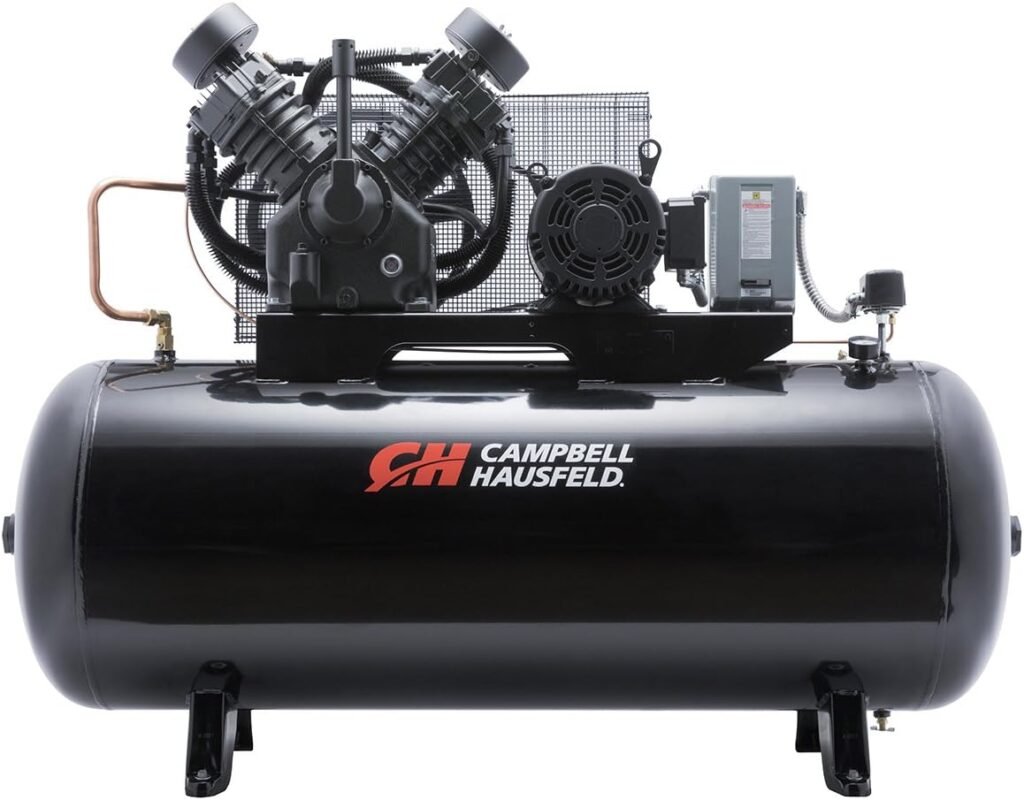
We want to tell you how this compressor feels out of the box and what stands out at first glance. The CAMPBELL HAUSFELD 120 gallon unit is clearly built for industrial and commercial environments, with a high-capacity tank and a robust two-stage pump that suggest long runtime and steady air delivery.
We also noticed a small naming oddity in the product title mentioning both “Horizontal” and “Vertical” — while that may be a listing error, our assessment focuses on the machine’s specifications and on-the-ground performance instead of the label. The unit’s size, weight, and connection requirements immediately position it as a permanent shop installation rather than a portable solution.
Key Specifications
We find it helpful to summarize the technical details in one place so we can compare and plan installation. These specs come from the manufacturer’s details and are what we used to evaluate performance expectations.
| Feature | Specification |
|---|---|
| Tank Capacity | 120 gallons |
| Motor Power | 10 HP |
| Pump Type | Two-stage, oil-lubricated |
| Maximum Pressure | 175 PSI |
| Air Delivery | 36 CFM @ 90 PSI |
| Voltage Options | 208-230/460 V (likely 3-phase) |
| Starter | Mounted and wired motor starter included |
| Seals/O-rings | Viton high-temp O-rings |
| Motor Rating | Industrial-rated NEMA motor |
| Typical Applications | Industrial, automotive, fabrication, paint booths |
We like having a single reference table because it clarifies what we can expect in terms of capacity, compatibility, and installation needs. These numbers are the foundation for assessing suitability for our tools and schedules.
Performance: Pressure and Flow
We need to match compressor output to our tools, and this model’s 175 PSI maximum and 36 CFM at 90 PSI tell us a lot. The 175 PSI maximum gives us more headroom for tools that require higher pressure and for maintaining stable pressure under heavy loads.
Delivering 36 CFM at 90 PSI is respectable for continuous operation with several mid-sized pneumatic tools. We should note that tools like large sanders, continuous spray equipment, and multiple impact wrenches used simultaneously will push the limits, so we plan tool usage or piping accordingly to avoid pressure drop.
Two-Stage Pump Advantages
We appreciate two-stage pumps for higher compression efficiency and cooler operation when compared with single-stage units. The two-stage arrangement improves thermal characteristics and provides better efficiency at higher pressures, which supports the 175 PSI rating.
Because it is oil-lubricated and two-stage, the pump typically lasts longer under industrial duty cycles, though we should commit to a consistent maintenance schedule to get the best life out of the unit.
Physical Build and Durability
We expect industrial-grade construction from this product name, and the compressor’s design reflects that expectation. The heavy gauge tank, robust pump components, and the inclusion of viton O-rings and an industrial NEMA motor indicate a focus on longevity in demanding environments.
Weld quality, mountings, and pipe fittings are things we inspect closely after installation; these components need to withstand vibration and frequent cycling. So far, the build quality looks solid and suitable for fixed-shop use.
Motor and Electrical Requirements
Installing a 10 HP compressor requires proper electrical planning, and this model’s listed voltages (208-230/460 V) imply three-phase service in most cases. We must ensure our facility’s electrical supply matches the unit’s nameplate and that an appropriately sized disconnect, breakers, and conduit are installed.
The advantage here is that the motor starter is mounted and wired, which shortens installation time and reduces the risk of wiring errors. We still recommend using a certified electrician for the hookup to verify correct phase rotation, overcurrent protection, and grounding.
Starter and Protection Features
We like that a mounted motor starter comes with the compressor, because it simplifies the final hookup and can protect the motor from overload. The inclusion of this starter typically provides motor protection and makes the system easier to integrate with shop controls.
That said, we still recommend checking starter settings and coordinating with any other motor protection devices to ensure the compressor starts reliably and safely.

Installation Considerations
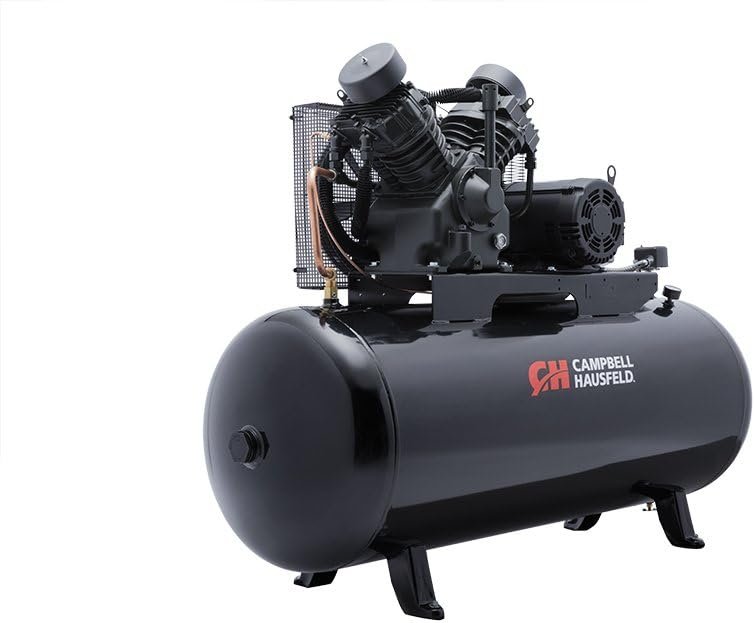
We always plan installation to minimize vibration transfer, ensure sufficient ventilation, and provide safe access for maintenance. This 120 gallon unit is heavy and large, so we expect permanent placement on a concrete pad or sufficiently reinforced floor with anchor points and vibration pads.
We also look for clearance around the unit for belt or pump access, oil changes, and filter service. Proper piping layout is essential to minimize pressure loss: locate the compressor near a main header and consider dedicated piping for high-demand tools.
Electrical and Plumbing Checklist
We put together a short checklist to ensure nothing is missed during installation. This helps ensure the compressor starts up safely and performs as expected from day one.
- Verify three-phase voltage and amperage compatibility.
- Confirm motor starter and disconnect are accessible.
- Provide proper ventilation and ambient space for cooling.
- Anchor to a level concrete pad and use vibration isolation pads.
- Pipe with appropriately sized supply lines and include a main isolation valve.
- Plan for condensate drainage to a safe disposal point or condensate management system.
Noise, Vibration, and Shop Impact
We try to anticipate how a compressor will affect our working environment, particularly in enclosed shops. Industrial two-stage compressors are workhorses, but they tend to produce significant noise and vibration when running.
We anticipate noise levels in the range common for industrial compressors (which can be around 75–90 dBA depending on load and enclosure). To minimize disruption, we usually place such compressors in a separate room or use acoustic enclosures and vibration pads.
Mitigation Strategies
We recommend several common strategies to reduce noise and vibration effects on the workspace. These steps keep the compressor from becoming a nuisance and protect surrounding equipment.
- Mount the unit on vibration isolation pads and anchor bolts.
- Install an acoustic barrier or enclose the compressor in a ventilated room.
- Use flexible connectors in the piping to reduce transmitted vibration.
- Consider scheduling heavy compressor use during less busy times if possible.
Maintenance Requirements and Schedule
We expect a two-stage oil-lubricated compressor to require periodic oil changes, filter replacements, belt checks, and tank inspections. Establishing a routine maintenance schedule will keep the compressor running efficiently and reduce the risk of downtime.
We typically base our schedule on operating hours: daily/weekly visual checks, monthly oil and filter inspections, and more thorough yearly service including valve and safety device testing.
Suggested Maintenance Routine
We prefer to follow a practical maintenance calendar aligned with industrial best practices. This list is what we would implement right away.
- Daily: Check oil level, drain condensate from tank, inspect for leaks.
- Weekly: Inspect belts and pulleys, check for unusual vibration or noise.
- Monthly: Replace air intake filters if dirty, check drain valves and fittings.
- Every 500-1,000 hours: Change compressor oil, inspect and clean coolers.
- Annually: Full service including valve replacement as needed, safety valve testing, and motor bearing inspection.
Safety Features and Compliance
Safety is a priority in our shop, and pressure vessels must be treated with respect. We look for safety valves, proper labeling, and compliance with local codes for pressure vessels and electrical installations.
While the product details don’t list specific certifications, we always verify the pressure vessel’s code compliance and ensure the safety relief valves and pressure controls are set and tested before regular operation.
Operational Safety Practices
We consistently apply operational controls to keep staff and equipment safe around compressors. These practices reduce the risk of accidents and extend equipment life.
- Train staff in compressor startup, shutdown, and emergency procedures.
- Lockout-tagout electrical isolation for maintenance.
- Test safety relief valves regularly and replace if corroded or malfunctioning.
- Keep records of inspections, repairs, and pressure tests.
Applications and Use Cases
We consider this compressor ideal for shops that demand continuous and consistent air supply. The 120 gallon tank and 36 CFM at 90 PSI make the unit suitable for automotive shops, fabrication shops, body shops with paint guns, tire service centers, and general industrial settings.
We also note that spray booths and continuous high-flow operations may need supplementary drying and filtration. For painting applications, we recommend adding an air dryer and additional filtration to protect finish quality.
Matching Tools and Workload
We like to map our most common tools to compressor output to avoid surprises. Here’s a rough idea of how the compressor supports typical equipment we use.
- Impact wrenches and air ratchets (intermittent): multiple units can operate, but simultaneous use may reduce pressure.
- Paint guns and spray booths (continuous): suitable with proper dryers and filters for consistent finish.
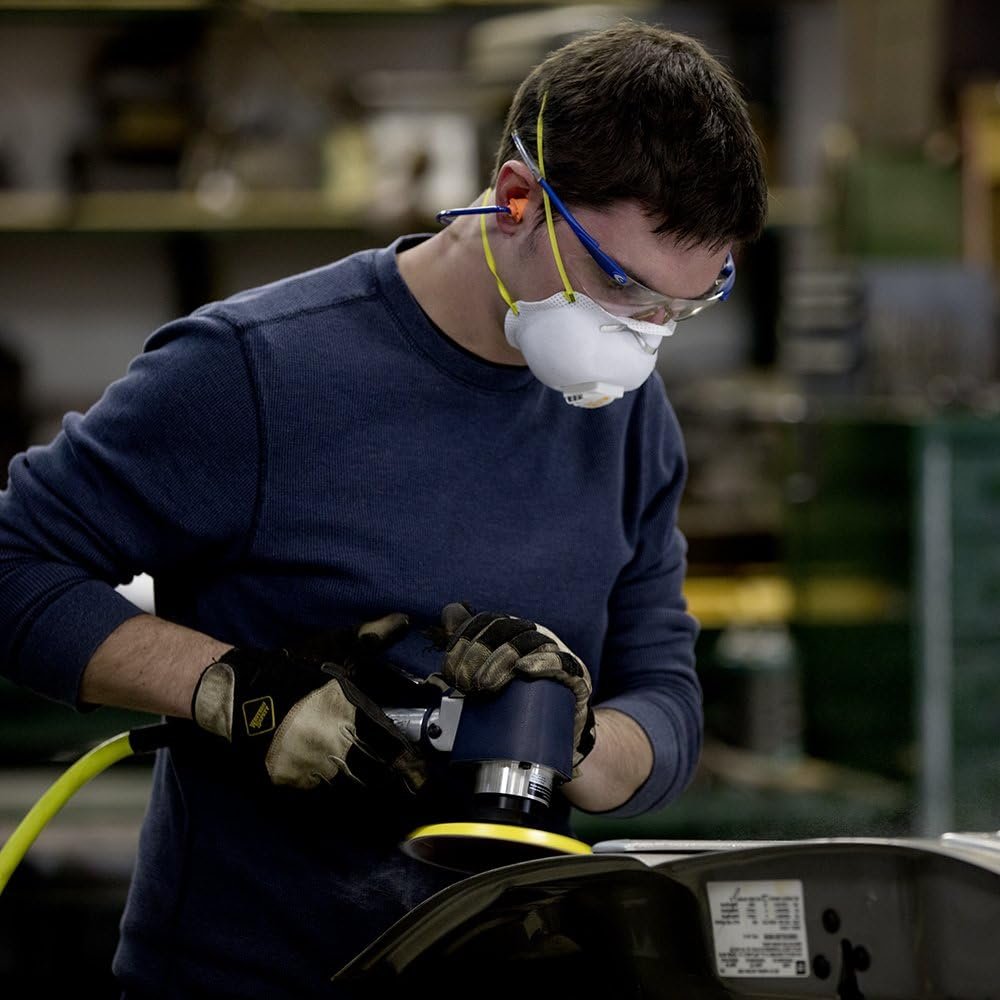
- Sanders and grinders (moderate continuous): generally supported, monitor cumulative CFM draw.
- Air cylinders and actuators (continuous): good support for production cycles, depending on number of actuators in use.
Advantages and Strengths
We want to be clear about what this compressor does well, and there are several strengths to highlight. The combination of a large 120 gallon tank, a two-stage pump, and a 10 HP motor give us robust capacity for many industrial tasks.
The inclusion of a mounted motor starter and industrial-rated components like viton O-rings and a NEMA motor shows the model is designed for heavy use and easy integration into a shop’s electrical system.
Reliability and Longevity
For shops that commit to maintenance, this unit’s oil-lubricated two-stage pump and industrial motor point toward long service life. We value components that are designed for replacement and service rather than disposable fitments.
We also like that parts such as belts, filters, and valves are serviceable at most compressor repair shops, which lowers the long-term cost of ownership.
Limitations and Potential Drawbacks
We need to be honest about trade-offs; the unit’s size and power draw mean it’s not for every shop. Small or hobbyist workshops won’t benefit due to installation complexity, electrical needs, and initial cost.
Noise and space demand are further considerations. If our shop lacks a dedicated compressor room, we’ll need to mitigate noise and plan for heat and ventilation.
Electrical and Installation Costs
Because the compressor is likely a three-phase installation and draws considerable current, there are non-trivial installation costs for electrical upgrades and possibly floor reinforcement. We factor these costs into the purchase decision.
We recommend getting quotes from electricians and considering the total installed cost—not just the price of the compressor.
Comparison to Similar Models
We often compare compressors to peers to understand relative value. Compared with other 10 HP, 120 gallon two-stage compressors, this CAMPBELL HAUSFELD model holds its own in terms of CFM and maximum pressure.
Some brands may offer slightly higher CFM or different tank configurations, while others may bundle dryers or filters. Our focus is on matching actual shop needs, support network, and replacement parts availability when comparing.
What Differentiates This Model
We appreciate that this product balances capacity, pressure, and industrial components at a competitive offering. The mounted motor starter and viton seals are practical touches that add reliability under higher temperatures and continuous operation.
We also note that the combination of 175 PSI max and a 120 gallon tank is a useful middle ground for shops that occasionally demand higher pressure.
Accessories and Add-Ons We Recommend
To get the most from this compressor, we recommend a few additions that improve longevity and air quality. These accessories help protect tools, improve performance, and reduce maintenance headaches.
- Refrigerated or desiccant air dryer to control moisture for painting and finish work.
- Aftercooler and separator to remove condensate ahead of piping.
- Inline particulate and coalescing filters for tool and process protection.
- Pressure regulator and tool-specific air lines to balance supply.
- Condensate management system or automatic drain to prevent tank corrosion.
Piping and Fittings
We emphasize the importance of proper piping. Oversized compressor outlets, quick-connect couplers, and dedicated headers reduce pressure drop and improve the usable output at tool locations.
Use 1-1/4″ piping or larger for main runs in larger shops, and include a pressure regulator at branch lines to stabilize pressure for hand tools.
Troubleshooting Common Issues
We often keep a troubleshooting guide handy for new installations. Typical issues include low output, excessive oil carryover, starter problems, and unusual noise.
A quick checklist helps identify the cause and fixes: check voltage and phase, inspect belts and pulleys, verify oil level and quality, and ensure air filters are not blocked.
Quick Fixes
When we face simple problems, these quick fixes usually restore operation without long downtime. They are good first steps before calling a technician.
- Low pressure: Inspect for leaks, check drain valves, and verify regulator settings.
- Starter won’t engage: Confirm supply voltage, check overloads, and test start capacitor if present.
- Excessive oil: Check crankcase ventilation, inspect separators, and verify discharge pressure.
Cost of Ownership and Long-Term Value
We consider initial purchase price plus installation, maintenance, parts, downtime, and energy consumption. A 10 HP two-stage unit is energy-intensive but efficient for its capacity, and correct maintenance reduces overall lifecycle costs.
We often calculate expected operating hours and energy rates to estimate yearly operating expenses; that helps justify any higher initial cost for a more reliable machine.
Spare Parts and Service
We prefer machines with easily sourced replacement parts and a good service network. Campbell Hausfeld has a broad presence, so obtaining filters, belts, valves, and service advice tends to be straightforward in many regions.
We recommend stocking common spares (filters, belts, pressure relief valves) to reduce downtime in the event of failure.
Warranty and Manufacturer Support
We always check warranty terms and support channels before purchase. While specific warranty details are not listed in the product summary, we advise verifying the manufacturer’s warranty duration and what it covers—compressor pump, motor, and pressure vessel typically have different terms.
We also suggest registering the compressor with the manufacturer to ensure access to support and to track maintenance for warranty compliance.
What to Ask the Dealer
When buying, these questions help us avoid surprises and ensure we know how to get help when needed. They are essential to confirm before finalizing the purchase.
- What is the warranty period for the pump, motor, and tank?
- Are labor costs for warranty repairs covered or only parts?
- Is on-site service available, and what is the typical response time?
- Where are service centers and authorized parts distributors located?
Who Should Buy This Compressor?
We recommend this compressor for professional shops and small-to-medium industrial operations that require reliable continuous air and occasional high-pressure operation. If our workload includes multiple simultaneous pneumatic tools, paint booths, or production line actuators, this model is a good fit.
We do not recommend this unit for hobbyists, small home garages, or situations where portability or low noise is critical.
Use Cases That Best Fit This Model
Here are the scenarios where we believe this model excels and will deliver value. These reflect our practical experiences in similar settings.
- Automotive repair shops and tire shops with frequent high-load use.
- Fabrication or machine shops that operate multiple pneumatic tools.
- Body shops and paint booths where consistent pressure and volume are required with added filtration and drying.
- Production facilities needing a steady pneumatic supply for automated tooling or conveyors.
Final Verdict and Recommendation
We think the CAMPBELL HAUSFELD 120 Gallon Horizontal Air Compressor, 10 HP, 2-Stage, 175 Max PSI is a robust industrial tool that offers reliable performance for demanding shops. With a two-stage oil-lubricated pump, a large tank, and industrial motor components, it’s geared toward continuous use and durability when paired with proper maintenance.
Our recommendation is to purchase this model if you have the electrical infrastructure, space, and need for a high-capacity, high-pressure compressor. Pair it with an air dryer and quality filtration for the best results, and plan installation with a qualified electrician to ensure a smooth and safe startup.
Quick Pros and Cons
We summarize the main advantages and trade-offs to help make a purchasing decision more straightforward.
Pros:
- High tank capacity for sustained work.
- Two-stage pump and 175 PSI max for demanding applications.
- Mounted motor starter and industrial NEMA motor for robustness.
- Viton o-rings and oil-lubricated pump for durability.
Cons:
- Large and noisy for small shops or quiet environments.
- Requires three-phase electrical service and professional installation.
- Higher initial and installation costs compared to smaller units.
We hope this review helps us and others decide whether this CAMPBELL HAUSFELD compressor aligns with our shop’s needs and long-term productivity goals.

Disclosure: As an Amazon Associate, I earn from qualifying purchases.