? Are we looking for a reliable, quiet, low-maintenance shop compressor that can handle heavy-duty tasks without filling the room with noise?
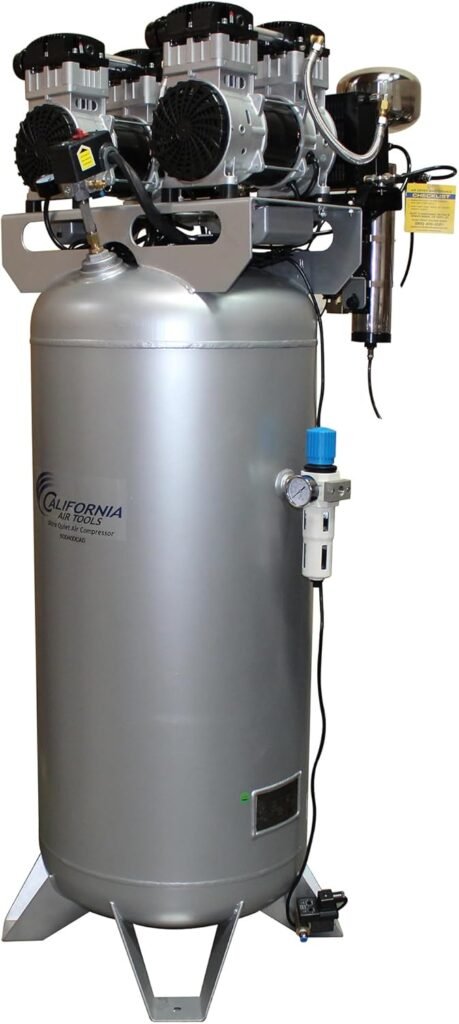

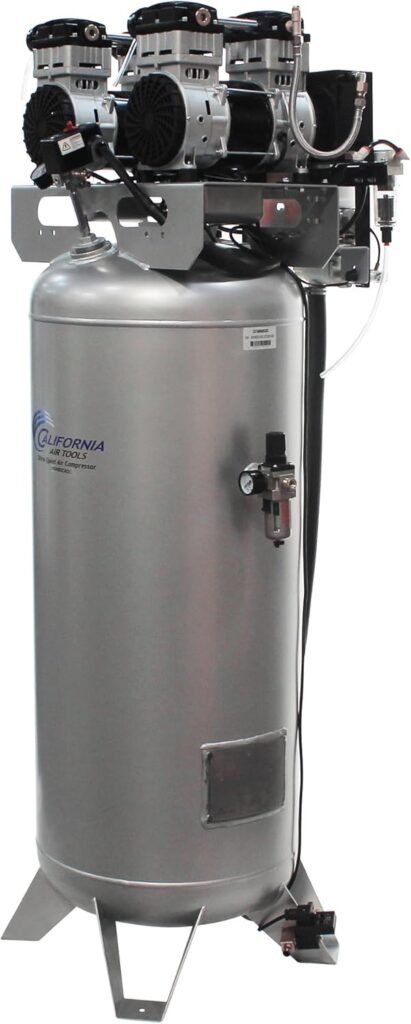
Overview of the California Air Tools 60040DCAD 4.0 HP Ultra Quiet and Oil-Free Air Compressor, 60 Gallon Steel Tank, 75 dBA Noise Level, with Air Drying System and Auto Drain
We find that this compressor is designed to serve professionals and serious hobbyists who need a large-capacity, quiet air source with minimal upkeep. The California Air Tools 60040DCAD combines twin motors, an oil-free dual piston pump, an integrated air dryer/aftercooler, and an automatic drain on a 60-gallon ASME tank to deliver sustained performance with less daily fuss.
What this model targets
We see this model as a shop-focused unit for noise-sensitive environments such as small auto shops, woodworking shops, home garages near living spaces, and production areas where low decibel output matters. It balances continuous-running capability with high air delivery and reduced maintenance demands.
Key Features at a Glance
We like to summarize core features so the essentials are easy to spot. The features below highlight why this model stands out in several categories important to buyers.
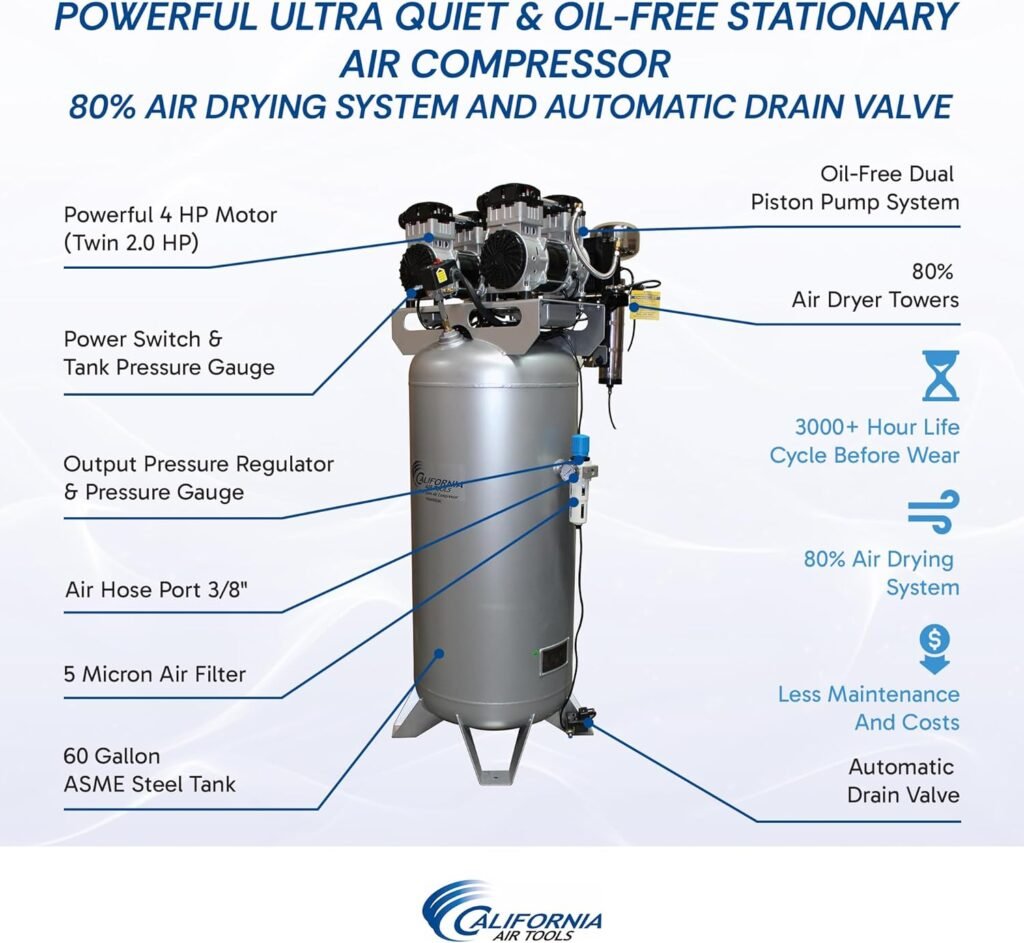
- Ultra quiet performance at 75 dBA — suitable for noise-sensitive work environments.
- Twin 2.0 HP SP Series motors running at 1680 RPM — designed for longer continuous run times and less wear.
- Oil-free dual piston pump with a life cycle of over 3,000 hours — cleaner air, lower maintenance.
- 12.80 CFM at 40 PSI and 10.60 CFM at 90 PSI — strong airflow for sustained tool operation.
- Integrated 80% air drying system and aftercooler — reduces water vapor and improves air quality.
- 60-gallon ASME steel tank — plenty of storage for intermittent high-demand tasks.
- EZ-1 Automatic Drain Valve — preset timer and factory installation for hassle-free moisture removal.
Technical Specifications
We like to keep technical numbers in one place so they’re easy to reference. This table brings the key specs together and helps us compare features quickly.
| Specification | Detail |
|---|---|
| Product Name | California Air Tools 60040DCAD 4.0 HP Ultra Quiet and Oil-Free Air Compressor, 60 Gallon Steel Tank, 75 dBA Noise Level, with Air Drying System and Auto Drain |
| Noise Level | 75 dBA |
| Motors | Twin 2.0 HP SP Series motors |
| Motor RPM | 1680 RPM |
| Pump Type | Oil-free dual piston pump |
| Pump Life Cycle | Over 3,000 hours |
| Air Delivery | 12.80 CFM @ 40 PSI; 10.60 CFM @ 90 PSI |
| Tank Capacity | 60-gallon ASME steel tank |
| Air Drying System | Integrated 80% air dryer and aftercooler |
| Auto Drain | EZ-1 Automatic Drain Valve (factory installed, preset timer) |
| Dimensions (L x W/D x H) | 25.5″ x 29″ x 66.5″ |
| Weight | Not specified in provided details |
| Ideal Use | Shop, garage, light industrial, noise-sensitive areas |
Performance and Air Delivery
We pay close attention to CFM and PSI because those determine what tools and tasks the compressor can handle reliably. This model offers solid sustained airflow suitable for many medium- to heavy-duty pneumatic tasks.
CFM and PSI: What the numbers mean for our tools
We note 12.80 CFM at 40 PSI and 10.60 CFM at 90 PSI, which gives us a useful range: ample low-pressure flow for high-volume tasks and enough higher-pressure flow for many air tools. Those values mean multiple mid-demand tools can be used intermittently without instantly depleting the tank.
Real-world tool compatibility
We find that this compressor can comfortably support running paint sprayers, sanders, impact wrenches, ratchets, and other common shop tools — sometimes simultaneously depending on tool CFM requirements. For continuous high-demand tools like some large paint spray setups or industrial sandblasters, we recommend checking the combined CFM draw and duty cycle to ensure sustained performance.

Noise Level and Vibration
We appreciate how much quieter this unit is compared with many traditional compressors. The 75 dBA rating places it well below louder industrial competitors and makes it friendlier for shared or enclosed workspaces.
Why 75 dBA matters to us
We notice the difference when working nearby: 75 dBA is about the level of a busy street measured from a few meters away, noticeably lower than typical compressors that often exceed 85–90 dBA. This makes it easier for us to be productive without hearing protection in some scenarios and reduces noise spillover to adjacent rooms.
Vibration control and motor RPM
We like that the twin motors run at 1680 RPM, a relatively low speed that reduces vibration and mechanical stress. That lower RPM helps achieve improved reliability and longer run times, which in turn contributes to quieter operation and less wear on internal components.
Motors and Pump System
We see the twin motors and the oil-free dual piston pump as the core of the compressor’s value proposition: durable operation with minimal maintenance.
Twin SP Series motors
We appreciate that the SP Series motors are built for increased duty cycle and longer continuous run times. The twin 2.0 HP configuration spreads the load and reduces the need for each motor to work at peak continuously, which helps longevity and reduces heat buildup.
Oil-free dual piston pump advantages
We value the oil-free pump for two big reasons: we don’t need to worry about oil contamination in the air stream, and we avoid routine oil changes. The manufacturer states a life cycle of over 3,000 hours, which suggests dependable service life for many shop environments before major overhaul would be needed.
Air Drying System and Aftercooler
We find the integrated air drying system and aftercooler particularly useful for maintaining tool longevity and improving the quality of compressed air for tasks like painting and finishing.
How the 80% air dryer helps us
Removing most of the water vapor before air reaches tools reduces moisture-related problems like rust, corrosion, and compromised finishes. An 80% drying capacity means a notable portion of moisture is captured before it can cause issues, which is a big plus for finishing and pneumatic tool longevity.
Role of the aftercooler
We see the aftercooler as an important complement: it cools discharge air and condenses water vapor into liquid, making the subsequent drying stage more effective. Cooler air holds less moisture, and when water condenses, the automatic drain system can remove it safely from the tank.
Tank Capacity and Construction
We like big tanks because they smooth out supply for intermittent high-demand operations. This 60-gallon ASME steel tank gives us a healthy buffer between compressor cycles.
60-gallon ASME steel tank benefits
We appreciate that the tank is ASME-rated and steel constructed, which typically means it’s built to defined regulations for pressure vessels. The size allows tools to run longer between motor cycles, reducing motor run frequency and helping maintain stable pressures during use.
How tank size affects workflow
A larger tank means we can build more reserve air for short bursts of high-demand tools and less frequent motor start/stops. That benefits tool performance and reduces wear on the motors when our workflow is intermittent but occasionally intensive.
Automatic Drain and Maintenance Convenience
We like features that reduce routine maintenance, and the factory-installed EZ-1 Automatic Drain Valve is one of those conveniences.
Why automatic draining is helpful for us
Manual draining is easy to forget, and accumulated water in the tank increases corrosion risk and can create inconsistent air quality. The pre-set timer on the EZ-1 drain valve removes the guesswork and helps protect the tank by periodically purging condensation without our intervention.
What the drain system means for long-term care
We find that the combination of the aftercooler, air dryer, and automatic drain works together to minimize water-related maintenance tasks. This trio helps keep interior tank surfaces drier and reduces the chance of rust and moisture in lines and tools.
Setup, Footprint, and Placement
We understand this is a relatively large unit, so proper placement and setup matter for both ergonomics and performance.
Physical footprint considerations
With dimensions of 25.5″ (L) x 29″ (W/D) x 66.5″ (H), this compressor is tall and substantial. We recommend planning for adequate floor space and ceiling clearance, and we suggest placing it where air hoses can reach typical work areas without creating tripping hazards.
Accessibility, ventilation, and electrical needs
We advise ensuring good ventilation around the motors and pump to manage heat during extended runs. Also, verify the electrical requirements and dedicated circuit needs before installation. If the install location is near sensitive areas, the 75 dBA noise rating still suggests some sound mitigation or strategic placement may be beneficial.
Maintenance and Service Procedures
We prefer low-maintenance equipment, and this compressor minimizes routine upkeep while still requiring some periodic checks to maintain peak condition.
Routine checks we recommend
We suggest regularly inspecting belts (if applicable; many models are direct drive), checking pressure relief valves, confirming the automatic drain operation, and ensuring the air dryer and aftercooler remain unobstructed. Even oil-free systems benefit from a visual inspection schedule.
Expected maintenance costs and intervals
We expect lower ongoing costs because oil changes are unnecessary and the auto drain reduces corrosion. Periodic replacement of filters, occasional seal checks, and eventual service of the pump after thousands of hours (manufacturer suggests around 3,000 hours lifecycle) are normal lifecycle items to budget for.
Safety and Certifications
We look for safety-minded design and relevant standards, and the ASME tank is an important element here.
ASME tank reassurance
We appreciate that the tank is ASME-rated; that implies it was built to standards governing pressure vessels, which support safe long-term use when properly maintained. This adds confidence for shop and garage installations.
General safety practices
We recommend following standard compressed-air safety practices: ensure pressure relief valves are functional, place the unit on a stable, level surface, avoid unauthorized repairs, and follow manufacturer guidelines for electrical connections and operation.
Ideal Use Cases and Workflows
We see many practical settings where this compressor shines; it’s not just a general-purpose unit — it’s optimized for quieter environments and sustained output.
Best-match scenarios for our shop
This unit suits automotive body shops, woodworking and finishing shops, small manufacturing setups, and any workspace where noise constraints are important. The integrated dryer and auto-drain make it particularly strong for painting and finishing workflows.
When to consider alternatives
We suggest looking elsewhere if the primary need is ultra-heavy industrial continuous operation beyond the pump’s specified life cycle, or if mobility is a top priority — this model is sizable and intended for a stationary shop setup.
Comparison with Typical Alternatives
We like to compare core differences so we can gauge value. Here we contrast this model with a generic single-motor oil-lubricated 60-gallon compressor and with smaller, quieter homeowner units.
Versus single-motor oil-lubricated 60-gallon units
Compared with single-motor oil-lubed tanks, the California Air Tools 60040DCAD offers quieter operation (75 dBA vs. 85–95 dBA typical), oil-free air (no risk of oil contamination), and twin motors for better duty cycles. Single-motor oil-lubed units may offer similar CFM figures but typically require more maintenance and create more noise.
Versus smaller homeowner compressors
Compared to compact homeowner compressors, we gain far greater CFM, larger tank reserve, built-in drying, and an automatic drain — features intended for frequent and heavier-duty work. Smaller units win on portability and lower initial cost, but they often lack the sustained capacity and air quality features of this model.
Pros and Cons
We weigh strengths and weaknesses clearly so we can make a balanced recommendation.
Pros
- Very quiet operation at 75 dBA, friendly for noise-sensitive environments.
- Twin SP Series motors for longer continuous run times and reduced wear.
- Oil-free dual piston pump with over 3,000 hours lifecycle — lower maintenance.
- Integrated 80% air dryer and aftercooler reduce moisture and improve air quality.
- EZ-1 Automatic Drain Valve for hands-off moisture management.
- Large 60-gallon ASME steel tank for stable air supply and safety compliance.
Cons
- Size and weight make it less portable and require thoughtful placement in the shop.
- Initial investment is higher than smaller or single-motor options (value depends on needs).
- Weight not specified in the provided details; we recommend verifying handling needs for delivery and placement.
- For extremely continuous, industrial-scale operations, periodic overhaul or a more industrial-rated compressor may be necessary eventually.
Pricing and Value Considerations
We find value depends on use case. For shops that value low noise, better air quality, and reduced maintenance, the features justify a higher price point than basic compressors.
How to judge return on investment
We recommend considering long-term operating costs: reduced maintenance (no oil changes), fewer interruptions for draining, and potentially longer tool life from dryer/aftercooler benefits. These factors often offset the higher upfront cost over the compressor’s working life.
When it’s worth stretching the budget
We think this model is worth the premium for users who work in environments where noise control matters, who run tools regularly, and who value the time saved by automatic systems and less routine maintenance.
Installation Tips and Best Practices
We like to be practical about setup so performance starts strong and stays reliable.
Placement and leveling
We recommend placing the compressor on a stable, level concrete floor or other suitably rated surface. Ensure adequate clearance on all sides for ventilation and access to controls and drain components.
Electrical and plumbing considerations
Verify that your shop can supply the necessary electrical service and that wiring is installed to code. Plan hose routing to minimize pressure loss and consider adding quick-connect fittings at tool benches for convenience.
Common Questions We Anticipate
We address typical buyer concerns so decision-making is smoother.
How noisy will it be in practice?
We expect daily operation to be noticeably quieter than many industrial compressors. At 75 dBA the sound is present but not intrusive, and it reduces the need for hearing protection in low to moderate usage scenarios.
Will it handle simultaneous tools?
We advise checking combined CFM requirements of concurrent tools. With 12.8 CFM @ 40 PSI and 10.6 CFM @ 90 PSI, the compressor can support multiple mid-demand tools intermittently, but continuous multi-tool heavy use should be validated against total CFM draw.
How much maintenance do we need to do?
We anticipate significantly reduced routine maintenance thanks to the oil-free pump and auto drain. Regular inspections, filter checks, and occasional service of the pump and valves remain necessary as part of typical upkeep.
Troubleshooting and Common Care Tips
We prefer preventative care to reduce downtime. Below are some steps we recommend if issues arise.
If output pressure fluctuates
We suggest checking for air leaks in hoses and fittings, ensuring drain valves and pressure switches are functioning, and verifying the dryer/aftercooler isn’t obstructed.
If noise increases over time
We recommend confirming proper motor mounts, inspecting for loose panels or fittings, and checking that the compressor has adequate ventilation and isn’t overheating — all of which can increase noise.
If the auto drain seems not to operate
We advise verifying power to the drain valve, checking preset timer settings, and consulting the factory-installed EZ-1 manual for reset procedures or replacement options.
Accessories and Add-Ons We Recommend
We like pairing this compressor with a few accessories to maximize convenience and performance.
- High-quality, low-loss air hoses to reduce pressure drop.
- Quick-connect fittings and distribution manifolds for multiple tool stations.
- Inline air filters and coalescing filters for critical finishing tasks.
- Dedicated drain plumbing to manage condensate disposal per local codes.
- Anti-vibration mounts or pads if floor vibration is a concern.
Environmental and Workplace Considerations
We care about safe, efficient shop environments. This compressor’s quieter operation and drying features help create a more comfortable workspace while protecting tools and finishes.
Heat and ventilation
We recommend positioning the compressor so that heat from the motors and pump can dissipate freely. Adequate ventilation will prolong component life and prevent overheating during extended runs.
Noise-sensitive environments
We see this model as a strong fit for locations near offices or residences that require lower noise output. Even so, consider additional sound-absorbing measures if absolute silence is needed.
Our Verdict
We find that the California Air Tools 60040DCAD 4.0 HP Ultra Quiet and Oil-Free Air Compressor is a compelling option for shops that need a large, reliable, and quiet air source with minimal routine maintenance. The twin motors, oil-free pump, integrated dryer/aftercooler, and auto-drain combine to reduce daily hassles and improve air quality for finishing and pneumatic tool longevity.
Who should buy this model
We recommend it for professional shops, serious hobbyists with dedicated workshop space, and anyone prioritizing noise reduction and air quality. If workspace mobility or the lowest possible price is the priority, alternatives may be more suitable.
Final thought from us
We see this compressor as a thoughtfully engineered, workhorse-style unit that prioritizes quieter operation and lower maintenance without compromising the capacity and performance expected from a shop-class 60-gallon compressor. If those priorities align with your needs, this model is worth strong consideration.

Disclosure: As an Amazon Associate, I earn from qualifying purchases.