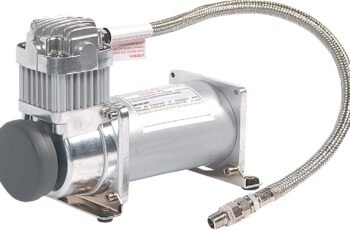
Have we ever wished our air compressor was powerful enough for serious work but quiet enough not to shake the whole house?
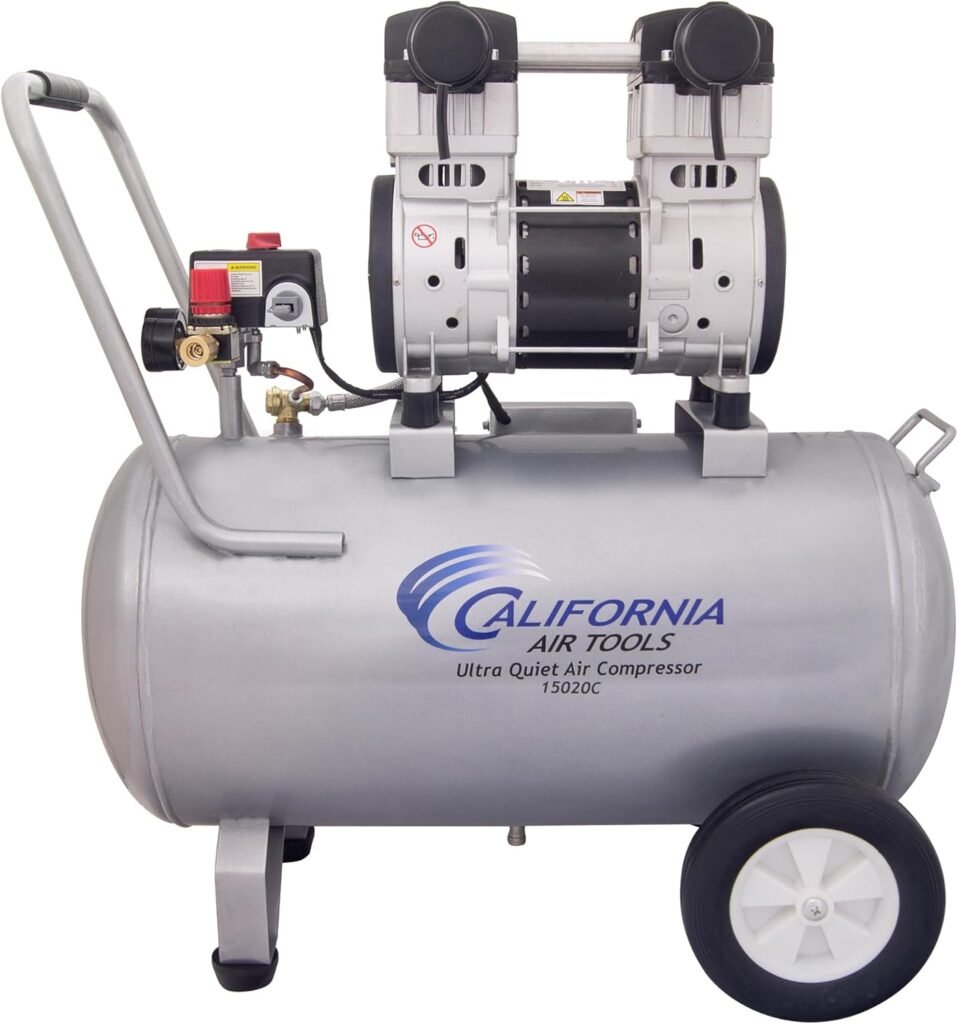

What Is the California Air Tools 15020C Air Compressor?
This model is a refurbished California Air Tools 15020C Powerful 2.0 HP Ultra Quiet and Oil-Free Air Compressor with Wheels, 15 Gallon Tank Capacity, 70 dB Noise Level, Electric, Portable. We are looking at a unit that has been tested, cleaned, inspected, and repackaged to work and look like new.
The core idea behind this product is simple: strong performance with less noise, easy mobility, and low maintenance. As a refurbished option, it also aims to save us money while still giving us the benefits of a premium air compressor.
Key Specifications at a Glance
Before we get into how it feels to use this compressor day to day, it helps to understand the key specs and what they mean for us in real-world use. These specs guide whether it fits our shop, garage, or job-site needs.
Here is a quick breakdown of the main features and characteristics.
| Feature | Detail |
|---|---|
| Product Name | California Air Tools 15020C |
| Motor Power | 2.0 HP |
| Tank Capacity | 15 gallon |
| Noise Level | Approximately 70 dB |
| Pump Type | Oil-free |
| Power Source | Electric |
| Portability | Includes wheels for easier mobility |
| Condition | Refurbished (tested and certified to look and work like new) |
| Included Accessories | Ships with all relevant accessories |
| Packaging | May arrive in a generic box |
This table gives us a snapshot: high horsepower, generous tank size, and a relatively quiet noise rating. Combined with the oil-free pump and portability, it aims to serve both serious DIY users and light professional needs.
Refurbished Condition: What Does That Actually Mean?
When we read “refurbished,” we might automatically think “used,” but there is more nuance here. This product is described as tested and certified to look and work like new, which typically follows a structured refurbishing process.
That process often includes thorough functional testing, replacement of defective parts, detailed cleaning, inspection, and repackaging. The unit then ships with all relevant accessories, though the outer box may not be the original branded one.
The Refurbishing Process and Why It Matters
The refurbishing process is important because it reduces the risk that we are getting a worn-out machine. Each unit is inspected and tested for proper operation instead of being sold “as-is.”
For us, that means we get the performance benefits of the California Air Tools 15020C at a lower price point, with the reassurance that it has been checked over. We still need to review warranty terms from the specific seller, but the baseline is that it should behave like a new unit in everyday use.
Pros and Cons of Going Refurbished
Choosing a refurbished compressor has clear advantages and some trade-offs. Understanding both helps us decide if this path makes sense.
Advantages:
- Lower price compared with brand-new units
- Environmentally friendly option (extends product life, reduces waste)
- Tested and inspected, rather than blindly used
- Typically includes essential accessories
Drawbacks:
- Cosmetic imperfections may be present, even if minor
- Packaging might be generic rather than original
- Warranty period can be shorter, depending on the seller
- Previous usage history is not always transparent, even if performance is validated
If we are comfortable with some cosmetic variability and want to stretch our budget, refurbished can be a smart choice, especially for a durable tool like an air compressor.
Noise Level: How Quiet Is “Ultra Quiet”?
The manufacturer calls this model “Ultra Quiet” and lists the noise level at about 70 dB. For an air compressor with a 2.0 HP motor and a 15-gallon tank, that is a key selling point.
To put this into context, 70 dB is roughly comparable to a normal conversation in a room or a running dishwasher. It is far quieter than many traditional compressors that often run at 85–90 dB or more, which can be uncomfortable in a closed garage.
Real-World Noise Experience
In real-world use, we should expect the sound to still be noticeable, but not overwhelming. We will hear it, but it should not feel like we are standing next to a jet engine.
In a home garage, we can likely hold a conversation with someone while it is running, though we may need to raise our voices a little. In a small workshop, it should be much more tolerable than a typical loud contractor-style compressor, especially if we are running it for extended periods.
Why Lower Noise Matters
Lower noise matters more than we might think, especially when we use our compressor regularly. Less sound pressure reduces fatigue, keeps neighbors happier, and makes it possible to work earlier in the morning or later at night without disturbing the household.
For those of us who use air tools professionally, a quieter environment also helps with concentration and communication on the job site or in the shop. It can be the difference between an annoying background roar and a manageable hum.

Performance and Power: What Can 2.0 HP and 15 Gallons Do?
The 2.0 HP motor combined with a 15-gallon tank gives this unit a comfortable blend of power and duration. While we do not have specific CFM numbers in the provided details, we can still infer the type of tasks this compressor is well suited for.
In general, a 2.0 HP compressor with a mid-sized tank can handle many common air tools and inflation tasks without constant struggle. It is designed for people who want more than just a tiny, short-burst inflator.
Typical Tasks This Compressor Can Handle
Here are some of the tasks where this compressor is likely to perform well:
- Inflating car, truck, and trailer tires
- Filling sports equipment and inflatable items
- Running nailers (finish, brad, framing) for carpentry and construction
- Operating staplers and small impact tools
- Using blow guns for dust and debris cleanup
- Light to moderate spray painting (depending on spray gun requirements)
- Supporting small air ratchets or wrenches in intermittent use
For continuous, heavy-duty tools that demand very high airflow—such as large sandblasters or industrial grinders—we might start to reach the limits of this compressor. But for most homeowner, hobbyist, and light professional applications, it offers a solid performance profile.
Benefits of the 15-Gallon Tank
A 15-gallon tank provides a good balance between portability and runtime. It is not as cumbersome as a huge 60-gallon stationary unit, yet it stores enough air to keep tools running for longer than a small pancake or hot-dog compressor.
With this tank size, we are less likely to experience constant cycling of the motor during typical tasks. That means less wear on the motor over time and a more stable working rhythm when using tools that need bursts of air rather than a continuous blast.
Oil-Free Pump: Lower Maintenance, Cleaner Operation
The oil-free pump design is another key feature of this compressor. Instead of requiring us to check oil levels, change oil, and worry about oil carryover into the air line, the pump is engineered to operate without lubricating oil inside the piston chamber.
This is both convenient and practical, especially for users who want a more “plug-and-play” experience with their air compressor.
Advantages of Oil-Free Compressors
Oil-free compressors come with several benefits that make them appealing for many of us, especially in home and light professional settings:
- Reduced maintenance – No oil changes, no disposal of used oil, fewer routine checks.
- Cleaner air output – Less chance of oil contamination in air lines, useful for painting or finishing work.
- Simpler storage – We do not need to worry as much about oil leaks during transport or while in storage.
- User-friendly – Great for people who are not comfortable performing mechanical maintenance tasks.
We should keep in mind that oil-free pumps can sometimes wear faster than well-maintained oil-lubricated ones, especially under heavy continuous use. For typical intermittent use in a shop or garage, however, an oil-free design is often more than adequate.
Suitable Users for an Oil-Free System
An oil-free compressor fits us well if we:
- Want lower maintenance responsibilities
- Use the compressor for hobbies, home projects, or light professional applications
- Need cleaner air for tasks like painting, finish carpentry, or automotive work
- Value convenience and are not planning industrial-scale continuous operation
If we run air tools all day, every day, in a demanding commercial environment, we might eventually consider an oil-lubricated system. For most users the balance between convenience and durability will favor oil-free.
Portability and Mobility: Working Where We Want
The California Air Tools 15020C is described as portable and includes wheels. With a 15-gallon tank, the unit is not feather-light, but the integrated wheels make a significant difference when moving it around the garage, shop, or job site.
We do not need to be bodybuilders to shift it from place to place; we simply tilt and roll it to where we want it.
Moving the Compressor in Different Settings
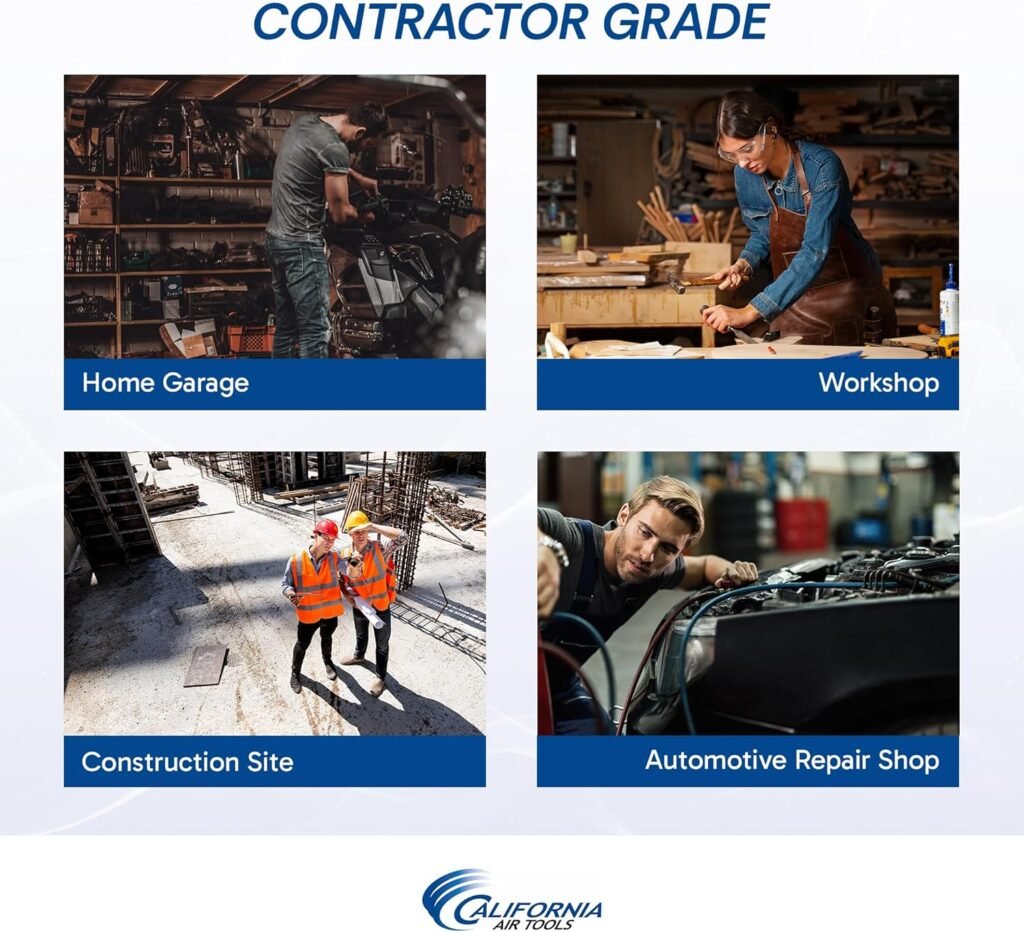
In a home garage, we can easily roll it from one side to the other, whether we are filling tires near the driveway or running tools at a workbench. On a job site, the wheels help us get it closer to where our tools are in use without excessive lifting.
In a workshop or studio, we can tuck it into a corner when not using it, then roll it out when we need tools powered up. The ability to reposition it also helps us manage noise, since we can place it farther away from where we are standing to reduce perceived sound.
Portability vs. Stability
A portable unit also needs to be stable when operating, and the 15-gallon tank size usually contributes to that stability. The larger footprint compared with a tiny portable unit lowers the center of gravity and helps keep the compressor from tipping over easily.
As we move it, we just need to be mindful of steps or very uneven surfaces. For routine movement across flat floors, driveways, and typical indoor surfaces, the wheels and handle generally provide enough control and balance.
Electric Power: Plug-In Convenience
This compressor runs on electric power, which is the standard for most home and light professional units. That means no gasoline, no exhaust fumes, and no noise from an engine idling or revving up.
We simply plug it into a suitable electrical outlet, switch it on, and allow it to build pressure.
Electrical Considerations
When we use a 2.0 HP compressor, we need to be aware of a few basic electrical considerations, even if they are not overly complex:
- Use a properly grounded outlet
- Avoid long, thin extension cords that can cause voltage drop
- Follow any recommended breaker or circuit ratings listed by the seller or manufacturer
- Do not overload a circuit that is already running other high-draw devices
Keeping these points in mind helps ensure the motor starts reliably and runs without tripping breakers. When in doubt, we should check the specific electrical requirements in the product documentation provided by the seller.
Advantages of Electric Over Gas
An electric compressor like this one is usually quieter, cleaner, and more convenient for indoor or residential settings than a gas-powered unit. We do not need to store fuel, we do not produce exhaust, and we do not fight as much with cold starts.
For garages, basements, workshops, and indoor job sites, that convenience is a major plus. We gain consistent performance without the maintenance overhead associated with gasoline engines.
Accessories and Packaging: What We Receive
According to the description, this refurbished product ships with all relevant accessories and may arrive in a generic box. That means we should expect the functional parts and connections we need, even if the packaging does not look like a retail store shelf display.
The emphasis is on utility rather than appearance when it comes to the box and outer materials.
Accessories We Can Typically Expect
The exact accessory set can vary by seller, but “relevant accessories” usually refers to items necessary for basic operation and connection. For many compressors, that can include things like:
- Air filter or intake filter
- Wheels and hardware for mounting them
- Handle or frame components
- Basic documentation or quick-start instructions
Some accessories, like hoses, fittings, and tools, may or may not be included depending on the particular listing. We should always check the seller’s specific description if we need a complete kit with hose and tools, as this product may focus on the compressor unit itself.
Generic Packaging: What That Means for Us
The mention of a generic box should not affect performance. It primarily means we should not be surprised if the device arrives in a plain cardboard box instead of branded packaging.
What matters is that the compressor is well-protected in transit and that it includes the parts and accessories needed to assemble and operate it. As long as those are present and intact, the cosmetic aspect of the packaging is less important.
Ease of Use: Setup and Daily Operation
From an everyday standpoint, one of the biggest questions is how simple it is to get started and keep going with this compressor. The combination of an oil-free pump, electric power, and wheel-mounted design suggests a user-friendly experience.
We are not expected to perform complex mechanical steps before we can use it for basic tasks.
Initial Setup
The first setup steps will generally look something like this:
- Unpack the compressor and accessories from the box.
- Attach the wheels and handle (if not already installed).
- Ensure all fittings and drain valves are properly closed and tightened.
- Plug the unit into a suitable electrical outlet.
- Turn on the compressor and allow the tank to fill to the preset pressure.
- Connect our air hose and tools, then adjust the air regulator to the desired pressure.
These steps are fairly standard for tank-based compressors. With an oil-free design, we do not need to pre-fill crankcase oil or check oil levels before first use.
Routine Operation
Once the tank is filled, the compressor will cycle on and off automatically to maintain pressure as we use air. We only need to:
- Turn it on when we plan to use air tools
- Set the output pressure as needed for each tool
- Turn it off when we are done
- Regularly drain moisture from the tank using the drain valve
The user-friendliness mainly comes from the fact that we do not have to fuss with oil changes or complex starting procedures. If we can operate a switch and adjust a regulator knob, we can operate this compressor.
Maintenance and Longevity: Caring for Our Compressor
Even with an oil-free design, some maintenance is still important to keep the compressor running reliably over time. The tasks are simpler than those for oil-lubricated models, but they should not be ignored.
By staying on top of basic upkeep, we can extend the life of the refurbished unit and protect our investment.
Regular Maintenance Tasks
Here are the core tasks we should plan to do periodically:
- Drain the tank – Moisture builds up inside the tank from compressed air. Draining it regularly reduces the risk of rust and internal damage.
- Check for air leaks – Listen for hissing around fittings, hoses, and connections. Fixing leaks saves energy and improves performance.
- Inspect the air filter – If the compressor has an intake filter, keep it clean or replace it as needed to maintain airflow and efficiency.
- Monitor cord and plug condition – Make sure there is no damage to the power cord or plug that could cause electrical issues.
Because the pump is oil-free, we do not need to change oil, but we should still treat the unit with basic mechanical respect, avoiding unnecessary abuse or exposure to harsh weather.
How to Maximize Lifespan
To get as many years as possible out of this compressor, we can:
- Avoid running it continuously for very long periods beyond its intended duty cycle
- Store it in a dry, sheltered area away from direct rain or extreme temperatures
- Use appropriate hoses and fittings to reduce strain on ports and connectors
- Follow any instructions or limitations provided in the documentation from the seller or manufacturer
Even though this is a refurbished unit, careful use and basic maintenance can keep it functioning well for a long time.
Use Cases: Who Is This Compressor Best For?
Understanding where this compressor fits best helps us see whether it aligns with our projects, environment, and expectations. The combination of quiet operation, moderate tank size, 2.0 HP power, and oil-free design points to a set of typical users.
It is not meant to be an industrial behemoth, but it is more than a small, occasional inflator.
Homeowners and DIY Enthusiasts
For homeowners and DIY fans, this compressor is a strong fit. We get:
- Enough capacity to run nail guns for framing, finish trim, and other carpentry work
- Power to handle tire inflation and automotive maintenance tasks
- A quieter operation that is more reasonable in a residential setting
- Reduced maintenance thanks to the oil-free design
If we tackle occasional renovation projects, use air tools for woodworking, or simply like to maintain our own vehicles, the compressor gives us a capable, versatile platform without overwhelming noise or complexity.
Small Shops and Light Professional Use
For small workshops, artisans, and light professional settings, this model can serve as a practical workhorse. We can run:
- Pneumatic nailers and staplers for carpentry and cabinetry
- Blow guns for cleaning sawdust and debris off tools and surfaces
- Light air tools for mechanical work, such as ratchets and small impact drivers
- Some painting tasks, as long as the airflow requirements are within the compressor’s capacity
The quieter operation becomes particularly valuable in a professional environment where noise control is important for productivity and client comfort. While it might not be the only compressor in a busy shop, it can be an excellent primary or secondary unit for multiple stations.
Hobbyists and Makers
For makers, hobbyists, and tinkerers, an air compressor opens up a wide range of projects. This model supports:
- Model building and small painting projects (with appropriate regulators and filters)
- Light metalworking tasks that use small air tools
- General workshop cleaning and maintenance
- Custom fabrication or repair work in a garage or small studio
Because it is portable and relatively quiet, we can also adjust our workspace easily as projects require, bringing the compressor closer or farther away depending on the tools we are using that day.
Noise, Power, and Capacity Compared
To better understand where this compressor stands among typical options, it helps to compare key attributes like noise level, tank size, and perceived power with what many of us may have seen before.
We can think of it in relation to three common categories: small pancake compressors, mid-sized shop compressors, and large stationary units.
Compared With Small Pancake Compressors
Small pancake compressors are common for nailers and inflation. They usually have:
- Smaller tanks (3–6 gallons)
- Lower horsepower motors
- Often higher noise levels in relation to their size
Compared to those, the California Air Tools 15020C offers:
- Larger tank (15 gallons) for longer run times
- Higher horsepower (2.0 HP) for more demanding tasks
- Quieter operation (around 70 dB) which is often more pleasant indoors
If we are moving up from a pancake unit, this compressor gives us more capability and comfort with only a moderate increase in size.
Compared With Large Stationary Compressors
Large stationary compressors, like 60-gallon vertical units, are in a different class entirely. They can:
- Deliver significantly higher CFM
- Run multiple demanding tools at once
- Often require dedicated electrical circuits and permanent installation
By comparison, the 15020C:
- Is more portable
- Has lower power and capacity, but is easier to live with
- Can be stored and moved rather than permanently mounted
If we are not running a full-scale fabrication or automotive shop, we might find that this mid-range compressor fits our space and budget better while still covering our actual needs.
Advantages: Why We Might Choose This Model
When we step back and look at the whole picture, several key advantages stand out for this compressor, especially in its refurbished form. These strengths make it an attractive choice for many of us in home and light professional environments.
We can summarize the benefits in a few major themes.
Quiet Operation Without Sacrificing Too Much Power
The 70 dB noise rating is a standout feature. Many compressors in this performance range are noticeably louder, making extended work sessions tiring and disruptive.
Here, we keep respectable power with a 2.0 HP motor and a 15-gallon tank, but the sound level is engineered to remain more manageable. That balance is a major selling point for our ears and our neighbors.
Low Maintenance and Ease of Use
With an oil-free pump, electric power, and straightforward controls, this compressor is genuinely user-friendly. We:
- Avoid oil changes
- Reduce the risk of oil contamination in our air lines
- Get simple plug-in-and-run operation
That means we can spend our time working on projects instead of doing constant maintenance on our compressor.
Portability and Versatility
The wheels and handle make it feasible to position the compressor wherever it is needed. The mid-sized tank adds enough storage capacity to power a variety of tools without being a hassle to move.
We can operate in a garage today, a driveway tomorrow, and a workshop next week, all with the same machine. That flexibility is helpful if our workspace is not fixed.
Value from the Refurbished Condition
Because the unit is refurbished, we have the potential to access a higher-end compressor at a more accessible price. With proper testing and certification to look and work like new, we get performance close to a new unit without paying full retail.
For those of us who value performance but need to manage a budget carefully, this can be a smart way to upgrade our air system.
Limitations: Where It Might Not Be Ideal
No tool is perfect for every situation, and this compressor has its limitations. Knowing these helps us decide whether it truly fits our needs or if we require something in a different category.
We should weigh these factors against our typical and future projects.
Not for Heavy Industrial Continuous Duty
If we run air tools continuously at full capacity, like large sanders or grinders in a big industrial shop, this compressor may not keep up comfortably.
The 15-gallon tank and 2.0 HP motor handle intermittent and moderate-use tasks well but are not designed for constant, heavy-duty industrial cycles. For that level of work, we would likely need a larger, often stationary, compressor with a higher CFM rating.
Refurbished Variability and Warranty
Because this is a refurbished product, there can be some variability in cosmetic condition, and the warranty coverage might differ from a brand-new unit. The refurbishing process is meant to standardize functionality, but we should still read the seller’s policies carefully.
If we prioritize a full manufacturer’s warranty and brand-new packaging, we might prefer a new version of the model, though at a higher cost.
Not Ultra-Light for Frequent Lifting
While portable with wheels, a 15-gallon tank and 2.0 HP motor still create a fairly substantial unit. We should not expect to lift it frequently up and down flights of stairs without effort.
If we need something to carry by hand all day, a smaller portable compressor may be more appropriate. This unit is portable in the rolling sense, not in the throw-it-in-a-backpack sense.
Practical Tips for Using This Compressor Effectively
To get the most from the California Air Tools 15020C, a few practical usage habits can make our experience smoother and more efficient. These tips help us enjoy the quiet operation and performance while protecting the unit.
We do not need advanced technical skills, just a bit of awareness.
Match Tools to the Compressor’s Capabilities
We should always check the air consumption (CFM) and pressure requirements for our tools and compare them to the compressor’s capabilities as listed by the seller or manufacturer.
If a tool needs more air than the compressor can supply, we might:
- Experience frequent cycling
- Notice drops in pressure during use
- Put extra wear on the compressor
By choosing tools that fit within the compressor’s comfort zone, we ensure smoother performance and longer life.
Drain the Tank Regularly
Condensation in the tank is a natural side effect of compressing air. If we leave water inside, rust can eventually form and threaten the integrity of the tank.
By opening the drain valve (with the compressor off and pressure released) on a regular basis, we:
- Extend the tank’s lifespan
- Reduce internal corrosion
- Improve air quality going to tools and regulators
This simple habit is one of the most important maintenance actions we can perform.
Use Proper Hoses and Fittings
Choosing the right air hose diameter and length can affect performance. Extremely long or narrow hoses can restrict airflow and reduce effective pressure at the tool.
Using higher-quality hoses and fittings also reduces leaks, which can waste energy and cause the compressor to cycle more often than necessary. Small details like these help the whole system perform more efficiently.
Our Overall Take on the California Air Tools 15020C
Bringing all these aspects together, the California Air Tools 15020C Powerful 2.0 HP Ultra Quiet and Oil-Free Air Compressor with Wheels, 15 Gallon Tank Capacity, 70 dB Noise Level, Electric, Portable in refurbished condition presents itself as a well-balanced option for many of us.
We see a machine that emphasizes quiet operation, low maintenance, and solid everyday performance, all wrapped in a package that is easier on the budget than a brand-new equivalent.
For homeowners, DIY enthusiasts, hobbyists, and many small-shop users, this compressor offers:
- Quiet and comfortable noise levels around 70 dB
- Enough power and tank capacity for a wide range of common air tasks
- Oil-free convenience, reducing maintenance and simplifying use
- Portability with wheels for flexible positioning in various workspaces
- Refurbished value, giving us near-new function without paying full new prices
Its limitations—such as not being ideal for heavy, continuous industrial use and the typical considerations around refurbished products—are important, but they do not overshadow its strengths in the intended use range.
If we are looking for an air compressor that can live in our garage, workshop, or small professional space without overwhelming our ears, and we appreciate the simplicity of oil-free operation, the refurbished California Air Tools 15020C is a compelling option worth serious consideration.

Disclosure: As an Amazon Associate, I earn from qualifying purchases.