Have we ever wished for powerful compressed air without all the noise, mess, and constant maintenance that usually comes with traditional compressors?

What Is the California Air Tools 15020C-22060 Air Compressor?
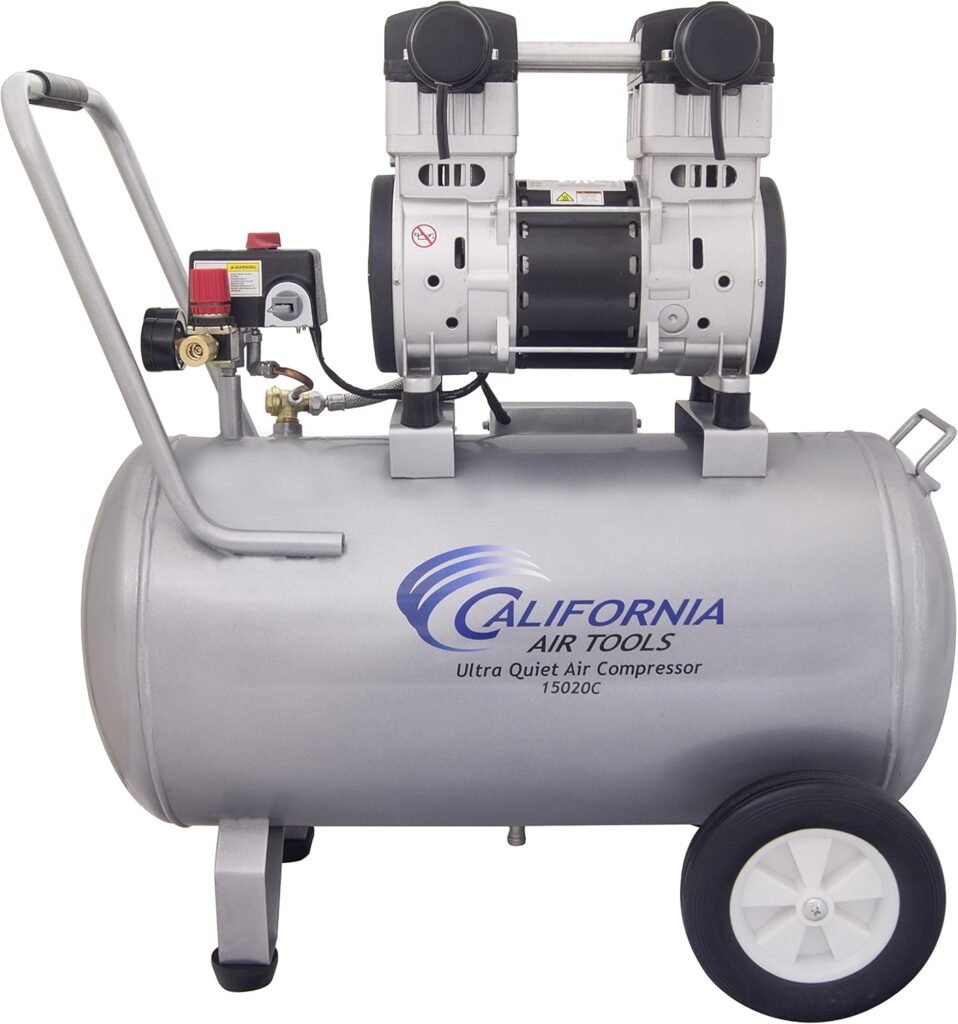
When we talk about the California Air Tools 15020C-22060 Ultra Quiet and Oil-Free 2.0 HP 15.0-Gallon Steel Tank Air Compressor, we are talking about a machine that aims to balance power, quiet operation, and low maintenance. It is a 2.0 HP, oil-free air compressor with a 15-gallon steel tank, designed for users who want serious performance but are tired of loud, finicky equipment.
This model is made in Mexico and is part of California Air Tools’ “Ultra Quiet” line, which is known among hobbyists and professionals for significantly lower noise levels compared with traditional compressors.
Key Specifications at a Glance
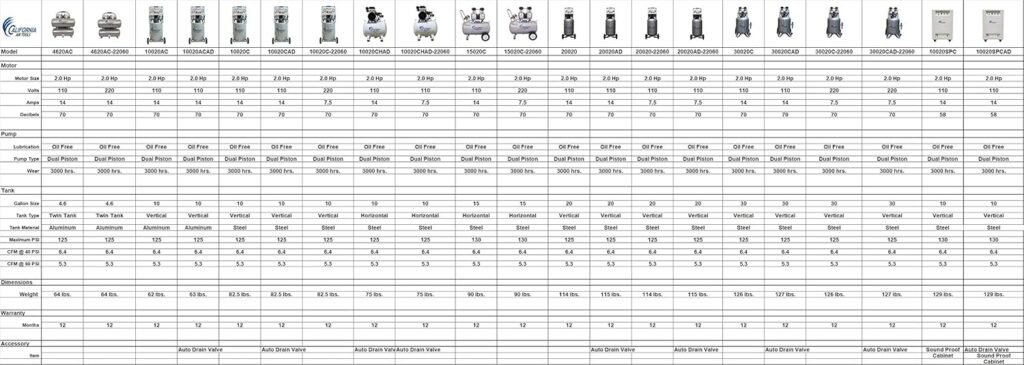
Sometimes it helps to see the essentials laid out clearly. The table below summarizes the core features and specs we care about most.
| Feature | Detail |
|---|---|
| Product Name | California Air Tools 15020C-22060 Ultra Quiet and Oil-Free 2.0 HP 15.0-Gallon Air Compressor |
| Motor Power | 2.0 HP (running) |
| Tank Capacity | 15.0 gallons (steel tank) |
| Pump Type | Oil-free, dual piston |
| Voltage | 220V–60 Hz (as indicated by “22060”) |
| Noise Level | Ultra quiet category (typically around 70 dB range for this brand and HP) |
| Tank Material | Steel |
| Country of Origin | Made in Mexico |
| Maintenance | Low maintenance (no oil changes) |
| Intended Use | Home shops, garages, light professional work, DIY and small contractor use |
We see from these specs that this unit is built for people who need a bit more tank capacity and horsepower than the smallest portable units, but who still value a compact footprint and low noise.
Build Quality and Design
The first thing we tend to notice with this compressor is the solid presence of the steel tank paired with California Air Tools’ familiar layout. The 15-gallon steel tank gives us a reassuring sense of durability while still being manageable in a typical garage or small shop.
The overall design leans functional rather than flashy. The controls are straightforward, with easy access to the pressure gauge, regulator, and fittings. For those of us who dislike overly complicated control panels, this simple, practical layout is a welcome choice.
Steel Tank Construction
The steel tank is a key part of why this model appeals to many of us. Steel tanks have a long history of reliable use in compressors, and they generally stand up well when treated properly and drained regularly.
We should remember that steel can be more prone to internal corrosion than aluminum if we leave moisture inside the tank. However, as long as we make a habit of draining condensate after use, a steel tank can serve us for many years.
Compact but Substantial Footprint
This is not a tiny pancake compressor we toss into a car trunk, but it is not an immovable shop behemoth either. The 15-gallon size is a sweet spot for many of us doing extended nailing, light spraying, or general air tool work.
The compressor usually comes with wheels and a handle, which makes rolling it around the shop easier. We might not want to carry it up and down stairs regularly, but moving it across a garage or workspace is very manageable.
Ultra Quiet Operation
One of the main reasons many of us are drawn to California Air Tools compressors is noise reduction. Traditional oil-lubed compressors can be startlingly loud, often in the 80–90+ decibel range, which can be uncomfortable and even require hearing protection.
The 15020C-22060 belongs to the “Ultra Quiet” series, which positions it among the quieter options in this power and tank size category.
What “Ultra Quiet” Means in Practice
While specific decibel ratings can vary slightly by model and measurement conditions, California Air Tools typically rates its ultra-quiet 2.0 HP units in the low 70 dB range. To put that into perspective:
- Normal conversation is about 60 dB
- A vacuum cleaner can run around 70 dB
- Many conventional compressors can exceed 85–90 dB
So, when we run this compressor in a garage or small shop, we can carry on a conversation nearby without constantly shouting. It is still audible, of course, but the sound is more of a low hum instead of a harsh, rattling roar.
Benefits of Lower Noise for Daily Use
Lower noise matters more than we might initially think. For those of us who work in shared spaces, residential garages, or small shops attached to our homes, noise can easily become an issue with neighbors or family.
With this model, we can:
- Use our compressor early in the morning or later in the evening with less risk of disturbing others
- Spend longer periods in the shop without feeling fatigued by constant loud noise
- Work indoors without always needing heavy-duty hearing protection (though we should still prioritize ear safety when using loud tools)
For many of us, the quiet operation becomes one of those features we quickly grow accustomed to and would rather not live without again.

Oil-Free Dual Piston Pump
Another defining feature of this compressor is its oil-free dual piston pump. This design aims to offer reliable compression performance without the need for regular oil changes or monitoring oil levels.
Why Oil-Free Matters
Traditional oil-lubed compressors require us to:
- Check oil levels regularly
- Change oil after a set number of operating hours
- Be mindful of potential oil carryover in the air lines
With an oil-free system, we avoid all of that. There is no oil to change, no risk of oil contamination in the air supply, and fewer maintenance steps overall.
This can be especially helpful if we:
- Use the compressor intermittently and might forget oil schedules
- Work in environments where clean air is important (e.g., light painting, finishing, or crafts)
- Prefer “set it and use it” equipment with minimal upkeep
Dual Piston Performance
The dual piston design typically allows for quicker recovery times and improved efficiency compared with some single-piston configurations. For us, that means:
- The tank refills faster between cycles
- We can sustain air tool usage for longer before pressure drops significantly
- Overall productivity improves, especially during tasks with frequent air bursts
While we should still consider the air consumption of our tools, the dual piston layout gives this compressor a noticeable edge compared with many smaller, single-stage portable units.
Power and Performance in Real Use
The 2.0 HP motor and 15-gallon tank combine to make this compressor a strong contender for many home and light professional tasks. It is not an industrial giant, but it is far from underpowered for typical shop needs.
Suitable Tasks and Tools
With this compressor, we can comfortably tackle:
- Framing and finish nailing: Running nailers and staplers is a natural fit for a 2.0 HP, 15-gallon setup, especially for extended framing or trim work.
- Inflation tasks: Car tires, bicycle tires, sports equipment, and inflatable items are all straightforward jobs for this unit.
- Light to moderate air ratchet and impact wrench use: For occasional automotive work—removing lug nuts, light suspension tasks—it can do the job, though heavy continuous use may push its limits.
- Blow-off and cleaning: Dusting off tools, cleaning work surfaces, and clearing crevices become quick, easy tasks.
- Light spraying and finishing work: For some HVLP or detail spraying projects, this compressor can be suitable, provided we match the gun’s CFM requirements to the compressor’s output.
Where it may begin to struggle is in environments that demand continuous high-CFM delivery, such as sandblasting, running multiple heavy air tools simultaneously, or large-scale automotive painting. For those, larger stationary compressors would be more appropriate.
Pressure and Recovery Experience
While specific PSI and CFM ratings are not provided in the brief product detail, most 2.0 HP California Air Tools units deliver:
- Maximum pressure around 120–130 PSI
- A recovery curve designed to maintain working pressure around the typical 90 PSI mark for many air tools
In practice, this means we can usually run standard air tools comfortably as long as we do not exceed their continuous CFM requirements. We might notice the motor kicking on fairly often when using more air-hungry tools, but for intermittent use, it handles the workload well.
Ease of Use and Everyday Convenience
We often underestimate how much ease of use influences whether we actually enjoy using a tool. This compressor is built to be straightforward for both newer users and experienced DIYers.
Simple Controls and Gauges
Pressure gauges, the regulator knob, and the outlet connections are all typically located in an accessible cluster. We do not need to search around to find the main controls, which keeps operation quick and intuitive.
Adjusting output pressure is usually as simple as rotating a knob while keeping an eye on the output gauge. This is particularly helpful when switching between tools that have different pressure preferences.
Mobility Around the Shop
The inclusion of wheels and a handle makes this 15-gallon compressor easy to move around flat floors. For many of us, that means we can wheel it closer to the work area, reducing hose lengths and avoiding tripping hazards.
We will want to plan for:
- A dedicated spot near a suitable electrical outlet
- Enough floor space for rolling clearance
- A safe corner where it can rest when not in use
Even though it is portable, it is not feather-light, so lifting it regularly may not be ideal. However, rolling it between workstations is usually comfortable.
Maintenance and Longevity
One of the major selling points of an oil-free compressor is reduced maintenance. This model is no exception, aiming to make long-term care as painless as possible.
Routine Tasks We Still Need to Do
Even though there is no oil to change, a few basic steps will help keep this compressor healthy:
- Drain the tank regularly: Condensation will build up inside the steel tank, so opening the drain valve after use is essential to prevent internal rust.
- Check for air leaks: We should periodically inspect hoses, fittings, and connectors for any hissing or pressure loss when the system is at rest.
- Keep intake areas clean: Dust and debris can build up near the intake or cooling fins. Wiping these down occasionally helps maintain efficiency and cooling.
These tasks are not difficult, but doing them consistently can greatly extend the compressor’s lifespan.
Durability Expectations
California Air Tools has a reputation for producing compressors that hold up well with proper care. The steel tank, dual piston pump, and solid motor design give this model a robust foundation.
We should, however, respect its intended role: it is designed for home shops, small businesses, and light contractor use, not for 24/7 industrial duty. If we operate it within its rated duty cycle and avoid chronic overloading, we can reasonably expect many years of reliable service.
Who Is This Compressor Best For?
Not every compressor matches every user profile. The 15020C-22060 is best suited for certain types of users and work environments.
Ideal Users
We think this model is a great fit for:
- Home mechanics and automotive enthusiasts who need enough air power for tire service, light wrenching tasks, and tool cleaning, without the headache of a deafening machine.
- Woodworkers and carpenters running nailers, staplers, and brad guns, who benefit from quiet operation in indoor shops or garages.
- DIY homeowners tackling renovation projects, trim work, or small construction jobs on weekends and evenings.
- Small shops and studios where reduced noise is critical—such as makerspaces, craft studios, or shared commercial spaces.
These users gain the most from the balance of quiet operation, moderate tank size, and minimal maintenance.
Less Ideal Users
This unit might be less suitable if we:
- Run multiple, high-demand air tools simultaneously throughout the day
- Need very high CFM output for industrial sandblasting, large paint booths, or heavy continuous grinding and cutting
- Prefer a small, ultra-portable unit for quick on-the-go jobs at various job sites
In those cases, a larger stationary compressor or a different portable model may be a better… fit.
Advantages of the 15020C-22060
Summarizing the main benefits helps clarify whether this compressor lines up with our priorities. This model stands out in a few key areas.
Very Quiet Compared with Traditional Models
The standout advantage is noise reduction. We can run this compressor in a residential environment with far less disruption than with a typical contractor-style compressor.
For those of us who work in basements, attached garages, or small shops with thin walls, this can be the difference between constantly irritating everyone nearby and simply blending into the background.
Low Maintenance Oil-Free Operation
Eliminating oil changes reduces both cost and hassle over the life of the unit. It also simplifies operation, especially for those of us who may not be familiar with compressor maintenance routines.
The oil-free system is also attractive if we occasionally use air for tasks where oil contamination would be a concern, such as light spray finishing or delicate cleaning operations.
Good Balance of Tank Size and Power
The 15-gallon tank is big enough to handle extended tasks better than small pancake or 6-gallon units while still remaining compact. Combined with the 2.0 HP motor, we get a respectable reserve of air and solid recovery times.
This balance makes it versatile for a wide range of home and light professional tasks without overwhelming our workspace.
Potential Limitations and Trade-Offs
To make a fair assessment, we should also acknowledge what this compressor is not optimized for. Every tool has trade-offs, and this model is no exception.
Not a Heavy Industrial Workhorse
If we run large air sanders, grinders, or blast cabinets for long periods, this compressor may cycle frequently and struggle to maintain constant pressure. Its design matches intermittent to moderate use, not industrial-level continuous duty.
We will want to realistically evaluate the CFM requirements of our heaviest tools. If those tools demand more air than this compressor can deliver continuously, we will either need to work in shorter bursts or consider a higher capacity unit.
Steel Tank Requires Consistent Draining
While the steel tank is robust, it is also more vulnerable to internal rust if we neglect drainage. We should make it a habit to:
- Open the tank drain after each session
- Let moisture fully escape before storage
- Occasionally check for any signs of unusual rust or discoloration at the drain
This is not a complex requirement, but it does demand a bit of discipline from us.
Using the Compressor Safely
Safety is not the most glamorous topic, but it matters every time we press that power switch. A quiet compressor is still a powerful machine that stores energy in compressed air form.
Basic Safety Practices
To use this model safely, we should:
- Wear appropriate eye protection when using air tools or blow-off nozzles
- Check maximum PSI ratings on hoses and tools so we never exceed the weakest link
- Avoid directing compressed air at skin or others, even as a joke, since it can cause serious injury
- Use grounded outlets and follow any grounding instructions specified by the manufacturer
- Secure the compressor on stable, level ground to prevent tipping while moving or during operation
These habits quickly become second nature and keep both us and our equipment safer.
Noise and Hearing Considerations
Even with “ultra quiet” operation, long sessions in a shop with various tools running can still add up in terms of hearing exposure. We may not always need heavy-duty earmuffs while the compressor runs by itself, but when we pair it with nailers, grinders, or saws, hearing protection is still a smart choice.
Protecting our hearing early on pays off in the long run, especially if we spend many hours each week in a workshop setting.
Real-World Scenarios Where It Shines
Sometimes it is easier to understand a tool’s value by picturing ourselves actually using it. Let us consider a few typical situations.
Weekend Renovation Projects
If we are redoing trim in a living room, installing baseboards, or framing a small partition wall, this compressor fits right into that workflow. We can:
- Set it up in the garage or a nearby room
- Run a hose into the workspace
- Use a finish or brad nailer for extended stretches without the constant roar of a louder compressor
Because of its quieter nature, we can work during times when family members are home or neighbors are nearby without feeling self-conscious about the noise.
Home Automotive Work
For those of us who change our own tires, perform brake jobs, or tackle suspension repairs, this compressor gives enough air to:
- Power an impact wrench for lug nuts
- Use an air ratchet or small impact for bolts
- Quickly inflate tires or blow debris out of tight spots
The 15-gallon tank lets us perform multiple tasks without the compressor cycling every few seconds, yet the footprint is small enough to live along a garage wall.
Small Shop and Maker Spaces
In shared workshops and maker spaces, noise management is often a serious concern. This compressor can serve as a central air source for light pneumatic tools, spray touch-ups, and cleaning, all while keeping noise levels more tolerable.
We can imagine multiple users tapping into the compressor at different times throughout the day, benefiting from a common, reliable air source that does not dominate the acoustic environment.
Practical Tips for Getting the Most Out of It
Owning a good compressor is one thing; getting the best performance and lifespan from it is another. A few practical habits help us maximize the value of the 15020C-22060.
Plan for Electrical Requirements
Because of the “22060” designation, this model is designed for 220V, 60 Hz power. We should:
- Make sure our shop or garage has the proper 220V outlet or plan for a licensed electrician to install one
- Avoid ad-hoc or unsafe extension cord setups that could cause voltage drops or overheating
- Double-check breaker ratings and wiring to confirm they meet the manufacturer’s stated requirements
Having the right electrical infrastructure not only ensures smooth operation but also protects the motor from premature wear due to low voltage.
Match Tools to the Compressor’s Output
Not every air tool will be a perfect match for this compressor. Before buying new tools or expecting continuous heavy use from existing ones, we should:
- Look up each tool’s CFM requirements at the intended PSI
- Compare those demands with the compressor’s CFM rating at 90 PSI (typically listed in the full specs)
- Recognize when a tool will be used intermittently, which allows for some recovery time between bursts
This approach helps us avoid disappointment and ensures a smoother workflow.
Store It Thoughtfully
When we are not using the compressor, a bit of care in storage will pay off:
- Drain the tank fully
- Coil hoses neatly and keep them off dirty floors
- Keep the compressor in a relatively dry, protected space, away from direct moisture or corrosive environments
Even though this is rugged shop equipment, treating it with basic respect goes a long way toward long service life.
Comparing It to Smaller and Larger Compressors
It often helps to think about where this model sits on the spectrum of available compressors.
Compared with Small Pancake or Hot Dog Compressors
Smaller 1–6 gallon pancake or hot dog compressors are more portable but have limited air capacity and often need to cycle very frequently. For short brad nailing tasks or quick tire inflation, those can work fine, but they can feel underpowered during longer projects.
In contrast, the 15020C-22060 gives us:
- Far more air reserve in the 15-gallon tank
- A stronger 2.0 HP motor and better recovery
- A quieter running experience
We trade off a bit of portability and initial cost in exchange for real gains in capability and comfort.
Compared with Large Stationary Compressors
On the other end, large stationary shop compressors with 60–80 gallon tanks and more horsepower can easily outclass this model in continuous CFM and maximum pressure. They are designed for full-time professional shops and noisy industrial environments.
Compared with those, this unit offers:
- A much smaller footprint
- Portability thanks to wheels and modest weight
- Vibrantly lower noise in most cases
- No need for dedicated heavy industrial infrastructure
We lose some top-end power, but we gain flexibility, lower noise, and often a simpler installation process, especially in home settings.
Value for Money
When we weigh price against performance, noise, and maintenance, this compressor sits in an appealing value band for many users.
Cost vs. Capabilities
While oil-free ultra-quiet compressors can cost more than basic contractor models on paper, the advantages tend to show themselves in daily use:
- Reduced need for oil and fewer maintenance supplies
- Less risk of complaints or restrictions due to noise
- Improved comfort in the workspace, potentially allowing longer and more productive sessions
If we frequently rely on compressed air, the quieter, low-maintenance design often feels worth the premium over time.
Long-Term Ownership Experience
Because there is no oil to manage and the unit is designed for lower operating noise, we are likely to:
- Use it more often and more comfortably
- Spend less time fussing with oil checks, changes, or mess
- Experience fewer frustrations around when and where we can run the compressor
This improves our overall satisfaction and makes the compressor feel like an integral part of our workshop instead of a necessary nuisance.
Final Thoughts: Is the California Air Tools 15020C-22060 Right for Us?
In the end, the California Air Tools 15020C-22060 Ultra Quiet and Oil-Free 2.0 HP 15.0-Gallon Steel Tank Air Compressor positions itself as a strong choice for users who want substantial capability without excessive noise or maintenance hassle.
If we are:
- Working in a home garage or small shop
- Running nailers, staplers, light sprayers, and occasional automotive tools
- Tired of loud, oil-lubed compressors and messy maintenance routines
then this model aligns very well with our needs. It offers a thoughtful blend of power, tank capacity, quiet performance, and convenience that can transform how we feel about using compressed air in everyday projects.
On the other hand, if we demand continuous, high-CFM industrial performance, we would likely outgrow this unit and should look toward larger stationary systems. But for the majority of home and light professional users, this compressor delivers a compelling, well-balanced package that lets us focus more on our projects and less on the noise and upkeep of our equipment.

Disclosure: As an Amazon Associate, I earn from qualifying purchases.