Have we ever wished our air compressor could be powerful, quiet, and low-maintenance all at once?

Product Overview: What This Compressor Really Offers Us
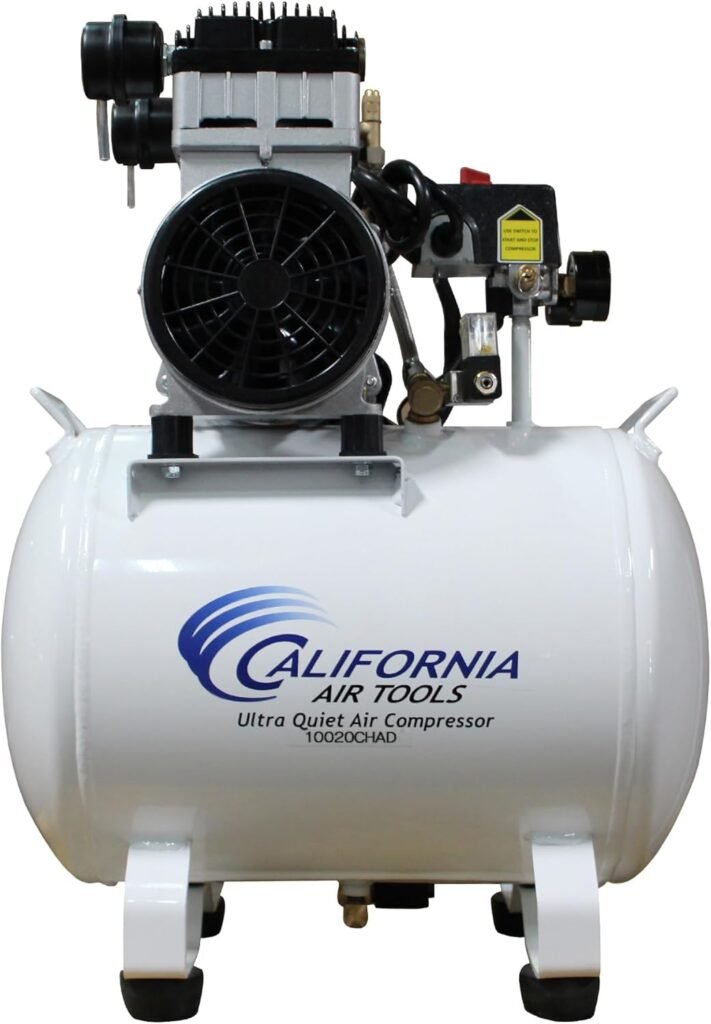
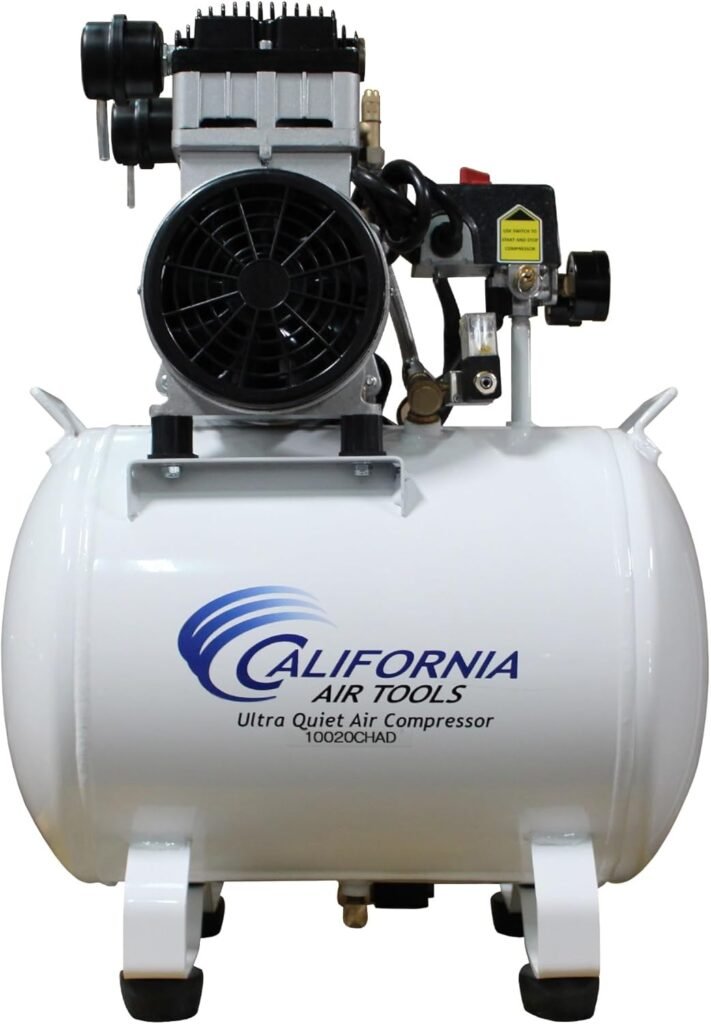
When we look at the California Air Tools 10020CHAD-22060 2.0 HP Ultra Quiet, Oil-Free Air Compressor, we are looking at a machine built to balance performance, noise control, and ease of use. It is designed for both serious DIY users and professionals who need reliable compressed air without the constant roar of a typical compressor.
This model targets those of us who want a strong 2.0 HP motor, a decent 10-gallon tank, and quieter operation, all in a relatively compact and portable form factor. With an oil-free pump and an automatic drain valve, it also aims to reduce the ongoing maintenance that many compressors demand.
Key Specifications at a Glance
Before we commit to a compressor, it helps to see the core specs laid out clearly. This model’s numbers give us an immediate sense of its power, capacity, and practicality.
| Feature | Specification |
|---|---|
| Brand / Model | California Air Tools 10020CHAD-22060 |
| Motor Power | 2.0 HP |
| Pump Type | Oil-free dual piston |
| Noise Level | 70 dB |
| Air Tank Capacity | 10 gallon horizontal steel tank |
| CFM @ 40 PSI | 6.40 CFM |
| CFM @ 90 PSI | 5.30 CFM |
| Operating Speed | 1680 RPM |
| Voltage / Frequency | 220V / 60Hz |
| Amp Draw | 7.5 amps |
| Weight | ~75 lbs |
| Dimensions (L x W x H) | 19″ x 15″ x 26.5″ |
| Drain Type | Automatic drain valve |
| Additional Features | Thermal overload protection, pressure control gauges, low-profile design |
These specs tell us that we are dealing with a relatively powerful but compact compressor, suitable for continuous use in workshops, garages, or job sites that have access to a 220V / 60Hz power source.
Noise Level: How Quiet Is “Ultra Quiet”?
Working in Noise-Sensitive Spaces
We often think of compressors as loud, disruptive machines that drown out conversation. This unit’s 70 dB noise level stands out because it is significantly quieter than many conventional models. For reference, 70 dB is roughly similar to a household vacuum cleaner or a loud conversation, rather than the sharp, harsh blast we usually associate with air compressors.
This reduced noise matters when we share a workspace with others, work from a home garage, or operate in a small shop where noise easily becomes overwhelming. We can actually stand near this compressor and continue talking without shouting, which makes longer work sessions much more pleasant.
Benefits of Lower Noise
Lower noise is not just a comfort feature; it can also influence when and where we can work. With 70 dB operation, we are less likely to disturb neighbors or coworkers, and we may feel more comfortable running it in the early morning or evening when necessary. Over time, this can reduce fatigue and make the work environment feel more professional and less chaotic.
Oil-Free Dual Piston Pump: Why It Matters to Us
Maintenance-Friendly Operation
The oil-free dual piston pump is one of the biggest quality-of-life advantages of this compressor. Traditional oil-lubricated compressors require periodic oil checks, top-ups, and changes, along with careful handling to avoid oil contamination. By going oil-free, we remove a significant layer of maintenance trouble.
With this pump, we do not have to worry about oil leaks, messy residue, or oil vapor reaching our air supply. The manufacturer rates it at over 3,000 hours of life cycle, which is a strong sign of durability for an oil-free design. For many of us using it in a small business or home workshop, that could mean years of reliable service under typical usage patterns.
Cleaner Air and Wider Usability
Because the pump is oil-free, the compressed air coming out is cleaner by nature. This can be valuable for certain tasks like painting, finishing, or operating sensitive pneumatic tools where oil contamination could be a problem. We might still want to use filters and dryers for the best results, but starting with an oil-free system helps reduce risks.
This design also functions well across various temperatures and terrains. We don’t need to worry as much about oil viscosity changing in colder weather, which can make operation simpler if our compressor lives in a garage or unheated workshop.

Motor and Performance: Power Where We Need It
2.0 HP Motor with 1680 RPM
The 2.0 HP motor provides a solid amount of power, and it runs at a relatively low speed of 1680 RPM. A lower RPM typically means less wear over time, less vibration, and lower noise compared to high-speed motors. This combination helps extend the life of the compressor and makes the overall experience smoother.
Despite the lower RPM, the motor still delivers strong airflow:
- 6.40 CFM at 40 PSI
- 5.30 CFM at 90 PSI
Those numbers are quite respectable for a 10-gallon, 2 HP unit and allow us to run a wide variety of air tools, especially for small to medium-duty tasks.
What Can We Actually Run with This?
With the CFM ratings provided, we can realistically handle:
- Brad nailers and finish nailers
- Framing nailers (with mindful duty cycles)
- Staplers and light-to-medium air ratchets
- Impact wrenches used intermittently
- Blow guns for cleaning and dusting
- Light HVLP spray guns (depending on CFM requirements and duty cycle)
- Tire inflation and general maintenance tasks
If we run very air-hungry tools like sanders or commercial-grade spray guns nonstop, we may push the compressor to run more frequently. This unit is ideal for intermittent use of tools rather than continuous, heavy industrial use. For most home shops and many professional applications, that balance works nicely.
10-Gallon Horizontal Steel Tank: Capacity and Layout
Capacity for Real-World Work
The 10-gallon steel tank is a good middle ground between portability and usable air capacity. It holds enough air so that we are not waiting for the compressor to cycle every few seconds, but it is still small enough that the machine stays compact and reasonably easy to move around.
For most common shop and garage tasks, 10 gallons gives us a comfortable buffer. We can fire several nail gun shots, run a ratchet on a few bolts, or do light cleaning tasks before the unit needs to refill. If we are running more demanding tools, the tank will cycle more often, but the capacity is still practical.
Horizontal, Low-Profile Design
The horizontal configuration gives this compressor a lower profile than tall vertical units. With dimensions of 19″ (L) x 15″ (W) x 26.5″ (H), we can slide it under a bench, desk, or shelf when not in use. For smaller workspaces, that low-profile shape is a real advantage.
Weighing about 75 pounds, it is not feather-light, but with portable design elements, it remains manageable for many of us to move around a workshop or jobsite. We are not stuck with a massive, stationary system, yet we still benefit from a decent-sized tank.
Automatic Drain Valve: A Convenient Time-Saver
Why Draining Matters
Every air compressor tank accumulates moisture due to condensation. If we do not regularly drain the tank, rust can form inside, and water can get into our air lines and tools. Normally, this means we must remember to open the drain valve and bleed the tank manually on a regular basis.
This model includes an automatic drain valve, which is a significant convenience upgrade. Instead of us manually managing the draining process, the compressor periodically releases the built-up water on its own.
How It Helps Our Workflow
With automatic draining, we reduce the risk of forgetting this vital maintenance step. Over the long term, that can extend the life of the tank and maintain better air quality. It also saves time and effort, letting us focus more on the actual work rather than routine checks.
We still want to keep an eye on the system periodically and make sure the drain is functioning correctly, but the day-to-day burden is much lower compared to fully manual draining.
Electrical Requirements: 220V / 60Hz and Low Amp Draw
Understanding the Power Needs
This compressor is designed to operate on 220V / 60Hz, drawing only 7.5 amps. That low amp draw is beneficial because it helps reduce the chance of tripping breakers, and it often means we can run it on a properly wired 220V circuit without special heavy-duty upgrades.
However, the 220V requirement does mean we need an appropriate outlet. In some residential settings, we may already have 220V lines for appliances like dryers or ranges, but in other cases, we might need an electrician to install an outlet. For workshops and professional settings, 220V is quite common and usually easy to accommodate.
Why Low Amp Draw Matters
The low amp draw helps with efficiency and reliability. Compressors that pull high current can strain circuits, especially when they start up under load. By staying at about 7.5 amps, this unit is more flexible regarding where it can be used, as long as we have the proper voltage.
For us, that means fewer headaches with tripping breakers or dimming lights each time the compressor kicks on.
Safety and Protection Features
Thermal Overload Protection
The compressor includes thermal overload protection, which automatically shuts the motor down if it overheats. This is an important safeguard that helps protect both the motor and our investment.
In practical terms, if we push the compressor too hard or run it in a hot environment where cooling is limited, the thermal protection can step in before serious damage occurs. It is reassuring to know that the unit has built-in defenses against running beyond its safe operating limits.
Pressure Control Gauges and Controls
The pressure control gauges allow us to monitor both tank pressure and regulated outlet pressure. That way, we can adjust and match output to the needs of our tools. Combined with the safety valve and automatic pressure switches, the system is designed to run safely within its intended pressure range.
This setup gives us good control and visibility, making it easier to adapt the compressor to various tools and tasks without guesswork.
Portability and Handling
Moving a 75-Pound Compressor
At 75 pounds, this compressor is not something we casually toss into a vehicle by ourselves every day, but it is still reasonably portable for most shop or site usage. The compact footprint helps when we need to reposition it within a garage, studio, or workshop.
For those of us who plan to transport it regularly between locations, we will want to think about vehicle space and lifting help. Within a fixed building, however, it feels quite manageable, especially compared to larger, stationary-shop compressors.
Compact Size for Small Workshops
The 19″ x 15″ x 26.5″ size means we can tuck this compressor in corners, under counters, or near benches without losing too much workable space. In tight garages or cabins, that can be a major selling point.
The horizontal tank layout can also make it easier to store under a table or built-in bench. For us, that means less clutter and more flexibility in how we arrange our tools and workstations.
Use Cases: Who Is This Compressor Really For?
Ideal Users and Environments
This compressor is particularly well-suited for:
- Home workshops and garages where noise is a concern
- Small professional shops that need reliable compressed air without excessive maintenance
- Hobby woodworkers and DIY renovators using nailers, staplers, and light pneumatic tools
- Auto enthusiasts working on tire inflation, small impact tools, and air blow-off cleaning
- Light spraying tasks with compatible HVLP guns (within the unit’s CFM limits)
It shines when we need quiet, steady performance rather than massive industrial capacity. If we are running multiple high-demand tools continuously all day, we might want a larger tank and higher CFM system. But for typical small-shop workloads, this model is a strong contender.
Types of Projects It Handles Well
Some example tasks where this compressor can be very effective include:
- Installing trim, molding, and baseboards with finish nailers
- Framing projects using framing nailers with reasonable duty cycles
- Assembling furniture with brad nailers and staplers
- Routine vehicle maintenance like tire inflation and quick impact wrench jobs
- Workshop cleanup using blow guns and air nozzles
- Lightweight painting and finishing jobs where tool CFM requirements fit its output
In all of these scenarios, the combination of quiet operation, oil-free design, and automatic draining makes day-to-day use smoother and less demanding on us.
Advantages: What We Are Likely to Appreciate Most
Major Strengths at a Glance
Let’s summarize the core benefits that stand out:
-
Ultra Quiet Operation (70 dB)
We can work in closer quarters and for longer periods without the harsh noise of many compressors. -
Oil-Free Dual Piston Pump
We avoid oil changes, leaks, and complicated maintenance, while still getting a long life cycle of over 3,000 hours. -
Good Airflow for Its Size
With 6.40 CFM @ 40 PSI and 5.30 CFM @ 90 PSI, we have enough power for many tools and tasks common to small shops and DIY projects. -
Automatic Drain Valve
The tank drains itself regularly, reducing the time we spend on routine maintenance and helping fight rust and moisture problems. -
Low Amp Draw on 220V
At 7.5 amps, it runs efficiently and is less likely to cause electrical issues when used on an appropriate circuit. -
Compact and Low-Profile Design
The 10-gallon horizontal tank and small footprint make it easier to store and move around within a workspace. -
Thermal Overload Protection
Built-in safety measures protect the motor if conditions push it beyond safe temperature limits.
Long-Term Value
Over time, the combination of low maintenance, quiet operation, and durable components can translate into real value. We spend less energy on maintenance routines and more on actual work, and we are less likely to feel fatigued or bothered by excessive noise.
For a workshop that runs several days a week on various light to medium tasks, this compressor can serve as a solid, dependable workhorse.
Trade-Offs and Limitations
Not Designed for Heavy Industrial Continuous Use
While the compressor is capable, it is not a heavy industrial unit meant for multiple operators or continuous, high-CFM demands. That means:
- Continuous sanding, grinding, or spray painting at high volumes may push it to keep running frequently.
- Multiple users simultaneously powering high-demand tools will likely exceed its comfortable limits.
For those heavy-duty scenarios, we would need a larger tank and higher CFM compressor. This model belongs in the small-to-medium workload category.
220V Requirement
Another consideration is the 220V / 60Hz requirement. Many small compressors aimed at casual home users run on standard 110/120V. Here, we need access to 220V power, which:
- Is common in many workshops and professional environments
- May require additional installation work in some residential settings
If our current space does not have 220V access, we will need to factor in the cost and effort of adding a suitable circuit and outlet.
Weight and Portability Limits
While 75 pounds is manageable, it is still substantial. This compressor is:
- Easy enough to move around a single building or job site
- Less ideal for frequent loading and unloading from vehicles by one person, especially over long distances
If our priority is ultra-light portability, this unit may feel heavier than we’d like. On the other hand, for a largely stationary workshop assistant, the weight is not a major issue.
Comparison: Where It Stands Among Similar Compressors
How It Compares Within Its Category
In the realm of 2 HP, 10-gallon compressors, this unit distinguishes itself in a few ways:
- Noise Level: 70 dB is quieter than most traditional oil-lubed units of similar power.
- Oil-Free Pump: Many competing compressors at this size still rely on oil-lubed systems.
- Automatic Drain: Not all compressors include an automatic drain valve as standard.
- Low Amp Draw on 220V: Some 2 HP models draw more current, which can make them less friendly to existing circuits.
Because of these combined features, we can see this compressor as a premium convenience option in its power class. We are paying for comfort, low maintenance, and better user experience, not just raw specs.
Who Might Prefer a Different Type of Compressor?
We might consider other options if:
- We need a 110/120V unit due to power constraints.
- Our primary usage is heavy industrial or continuous-duty work requiring higher CFM.
- We prioritize ultra-light portability above all else.
In those situations, a different compressor style or size might fit better. However, if we are targeting a quiet, efficient, low-maintenance 2 HP solution with a 10-gallon tank, this model checks many boxes.
Practical Tips for Getting the Most Out of It
Setup and Placement
To make the best use of this compressor, we can:
- Place it on a flat, stable surface with enough airflow around it for cooling.
- Ensure our 220V / 60Hz circuit is properly wired and rated for the 7.5-amp draw plus some overhead.
- Use adequately sized air hoses and fittings to avoid restricting airflow unnecessarily.
Because noise is already lower than many compressors, we may not need special soundproofing, but keeping it away from tight, echo-prone corners can further soften the sound.
Maintenance Habits
Even though it is oil-free and features an automatic drain, we still benefit from:
- Checking the drain system periodically to confirm it is functioning properly.
- Inspecting hoses, fittings, and valves for leaks or wear.
- Keeping dust and debris away from the intake and cooling areas.
- Monitoring the gauges and listening for any unusual sounds during operation.
With these simple habits, we can extend the compressor’s life well beyond its already generous rating and keep it performing efficiently.
Pros and Cons Summary
To help us weigh the decision clearly, here is a straightforward overview.
Pros
- Quiet operation (70 dB) for more comfortable work environments
- Oil-free dual piston pump with long life and low maintenance
- Automatic drain valve reduces moisture problems and manual chores
- 2.0 HP motor with decent CFM for many small-to-medium tools
- Low amp draw (7.5A at 220V) is gentle on circuits
- Compact, low-profile 10-gallon tank fits well in smaller spaces
- Thermal overload protection for increased safety and motor protection
Cons
- Requires 220V / 60Hz, which may not be available in every setting
- Not designed for heavy industrial continuous use or multiple high-CFM tools at once
- Weight (75 lbs), while manageable, is not ideal for frequent solo transport
- 10-gallon tank is mid-sized; some users may want a larger capacity for less cycling
Our Overall Impression and Recommendation
From our perspective, the California Air Tools 10020CHAD-22060 2.0 HP Ultra Quiet, Oil-Free Air Compressor delivers a strong combination of power, quiet operation, and user-friendly features. It is the kind of compressor that fits perfectly into a home workshop, small business, or serious DIY setting where we want reliable performance without constant noise and frequent maintenance.
The 70 dB noise level stands out as a major advantage, making it far more pleasant to use than many comparable units. Coupled with the oil-free dual piston pump and automatic drain valve, it demands far less routine attention than traditional compressors. We can simply plug it in, set our pressure, and get to work, with fewer chores to worry about afterward.
We would recommend this compressor to:
- Those of us with access to 220V power who want a quiet, capable, and relatively compact compressor.
- Users who prioritize low maintenance and cleaner air (thanks to the oil-free design).
- Shops and garages where noise control and space efficiency matter.
If we need a truly industrial solution or only have 110/120V power available, we might look to a different model. But for the majority of workshop and serious DIY tasks, this unit offers a thoughtful balance of performance, convenience, and comfort.
In short, if our goal is to run a variety of air tools with less noise, less mess, and fewer maintenance headaches—and we have the right power supply—this compressor is a compelling choice that should serve us very well over the long term.

Disclosure: As an Amazon Associate, I earn from qualifying purchases.