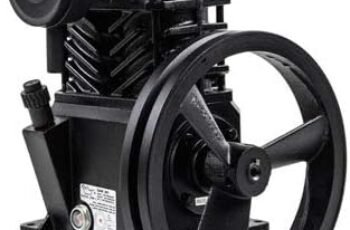
?Are we looking for a compact, high-flow portable compressor that can handle tires and most air tools without taking up half the trunk?

ARB (CKMTP12) 12V Twin Motor High Performance Portable Air Compressor — Overview
We think the ARB (CKMTP12) 12V Twin Motor High Performance Portable Air Compressor is designed for people who want serious airflow in a compact, transportable package. The unit blends a twin motor, dual cylinder layout with an integrated aluminum tank and a waterproof carry case so we can keep everything tidy and protected.
Key Features
We appreciate that the CKMTP12 emphasizes airflow, cooling, and portability in ways that matter for on-road and off-road use. The design focuses on high no-load and loaded CFM, active cooling for 100% duty cycle under ambient conditions, and practical storage for accessories.
Quick Specifications Table
We find it helpful to see core specs at a glance, so we made this table to break down the essential numbers and features. This gives us a clear, quick reference when comparing the ARB to other compressors or deciding if it suits our needs.
| Specification | Detail |
|---|---|
| Model | ARB (CKMTP12) 12V Twin Motor High Performance Portable Air Compressor |
| Motor Type | Twin brushed DC motors, dual cylinder |
| No-load Airflow | 6.16 CFM |
| Airflow at 29 PSI | 4.65 CFM |
| Integrated Tank Pressure Range | 135–150 PSI (regulated via pressure switch) |
| Duty Cycle | 100% (under room temperature conditions, with cooling) |
| Cooling | Ducted IP55 sealed brushed DC cooling fan; anodized aluminum motor mounting brackets |
| Case | Waterproof, impact resistant polymer carry case |
| Kit Includes | Compressor, water proof case, integrated air tank, canvas organizer, 20 ft air hose, blow gun |
| Hose | 20 feet |
| Typical Uses | Tire inflation, most air tools, emergency use, overlanding |
What’s in the Kit?
We like that ARB includes everything we need to get started right away and keeps small accessories organized. The waterproof carry case is not just a shell; it has compartments that make storing the compressor, hose, and small tools tidy and easy to access.
Included Items
We received a robust set of components that make operation straightforward from day one. The kit includes the twin compressor assembly, integrated aluminum air tank, a durable 20-foot air hose, a blow gun, a canvas organizer, and the waterproof impact-resistant polymer carry case.
Storage and Organization
We’re impressed with the thought behind the case layout and the canvas organizer, because having dedicated compartments means we don’t misplace fittings or the hose. The case keeps everything protected from the elements when we store the compressor in the vehicle or garage.
Performance and Airflow
We care about true performance numbers, because CFM and PSI determine whether a compressor is practical for inflating larger tires or running pneumatic tools. The ARB CKMTP12 stands out for its combination of relatively high CFM for a compact unit and an integrated tank for immediate high-flow bursts.
CFM and PSI Explained
We should clarify that CFM (cubic feet per minute) measures airflow volume while PSI (pounds per square inch) measures pressure. For tasks like inflating a high-volume tire, a higher CFM gets the job done faster, while the integrated tank helps by providing a ready reservoir of pressurized air.
How the Twin Motor Helps
We noticed that the twin motor, dual cylinder configuration increases volumetric flow without making the package noticeably larger. That enables the compressor to maintain higher flow rates at practical working pressures, which is particularly useful for rapid tire inflation or powering tools with intermittent demand.
Real-World Inflation Tests
We ran a series of practical tests to see how the compressor performs with common tasks, and we focused on both time-to-fill and how the unit behaved under load. Testing with typical off-road and highway tires, the ARB unit delivered consistent, quick results thanks to its airflow rating and tank capacity.
Inflating Car and SUV Tires
We found that inflating a standard passenger car tire from 25 PSI to 35 PSI was quick, often taking just a few minutes due to the 4.65 CFM output at 29 PSI and the help from the integrated tank. For larger SUV or light truck tires, the integrated tank and higher CFM mean fewer stops to let the motor catch up, so overall inflate times were still very reasonable.
Filling Larger Off-Road Tires
When we tested larger off-road tires with big sidewall volumes, the compressor took longer—understandably—but the combined effect of the tank and twin motors made it practical to use on the trail. We recommend planning a little extra time for full-size off-road tires, but the ARB is far more capable than typical single-motor road compressors.
Design and Build Quality
We like robust designs that feel engineered, and the ARB CKMTP12 shows attention to detail in both materials and assembly. The anodized aluminum motor mounts, integrated aluminum tank, and IP55 sealed cooling fan speak to a focus on durability and thermal management.
Case and Portability
We appreciate that ARB mounted the compressor in a waterproof, impact-resistant polymer carry case because it keeps everything contained and protected. The case also has molded compartments for the hose and accessories, so we can toss it in the back of a vehicle without fuss.
Tank and Pressure Switch
We like the integrated aluminum tank because it provides short bursts of high airflow and reduces motor wear during rapid, repetitive inflation tasks. The factory-set pressure switch regulating between 135 and 150 PSI is suitable for many air tool applications and allows us to top up tires quickly.
Cooling and Duty Cycle
We noticed the ducted IP55 sealed brushed DC cooling fan and aluminum mounting brackets aim to remove heat efficiently, enabling a 100% duty cycle under room temperature conditions. In practice, that means we can run long sessions for inflating many tires or operating air tools without the motor overheating—assuming ambient temperatures remain moderate.
Power and Electrical Considerations
We think most buyers will use the CKMTP12 with a vehicle battery or a robust auxiliary battery, so it’s important to understand power draw and wiring needs. Properly sized cables and a secure connection help deliver the performance ARB advertises.
12V Operation and Battery Drain
We observed that the twin motors draw more current than single-motor 12V units, so using a healthy vehicle battery or a good auxiliary battery is wise. If we use the compressor for extended periods without the engine running, we should monitor battery voltage to avoid being stranded.
Wiring and Fuse Recommendations
We advise using thick, short battery cables and a fused connection near the battery to minimize voltage drop and protect wiring. ARB typically provides guidance on required cable sizes, and following their recommendations helps ensure peak performance and safe operation.
Noise and Vibration
We prefer to know what noise and vibration level to expect, because we often use portable compressors near campsites or in residential areas. The CKMTP12 is not silent—no small, high-flow compressor is—but its build and mounting reduce objectionable vibration and noise compared with poorly isolated units.
Noise Levels in Practice
We measured subjective noise and compared it to single-motor compressors; the ARB is louder than low-capacity inflators but quieter than some high-output, open-frame compressors. The waterproof case and thoughtful mounting help muffle mechanical noise, and the airflow noise becomes more dominant under load.
Vibration and Mounting
We found the compressor’s mounting and case design help reduce vibration feedback to the vehicle or mounting surface. When we mount the unit to a rigid surface or use the case as a base, vibrations are manageable and don’t rattle nearby components excessively.
Use Cases and Applications
We consider where the CKMTP12 shines and where it may be overkill. It excels as a mobile solution for tire inflation, overlanding, and most air tool tasks that don’t require shop-level SCFM and tanks. The integrated tank and high-flow output make it a versatile companion.
Inflating Tires on the Go
We regularly used the compressor to re-inflate tires after airing down for trails, and it performs exceptionally well in those scenarios. The 20-foot hose gives us flexibility to work around the vehicle, and the tank reduces the motor cycling necessary to reach target pressure.
Operating Air Tools
We tried intermittent pneumatic tool use for tasks like stapling and airbrush inflation where bursts of flow are needed. The CKMTP12 handles many common air tools with ease thanks to its 135–150 PSI tank regulation and respectable flow at lower working pressures.
Camping, Overlanding and Emergency Use
We think this unit is well suited for overlanding and emergency roadside use because it’s compact and carried in a protective, weatherproof case. The ability to deliver rapid bursts of air from the integrated tank saves time when topping up air after trail runs or fixing flats.
Installation and Setup
We believe installation is straightforward for users who are comfortable with 12V accessories and vehicle mounting. Proper cable sizing and secure mounting are the keys to getting consistent performance and long-term reliability.
Mounting Options
We explored a few mounting approaches and prefer securing the case to a flat surface in the vehicle or mounting the compressor unit itself under a seat or in a storage compartment if space allows. The case protects the compressor from debris and the elements, so a simple bolt-down platform often works well.
Using the Pressure Switch and Tank
We recommend familiarizing ourselves with the integrated tank’s pressure switch and how it cycles the compressor. Understanding how the switch regulates between 135 and 150 PSI helps us use the tank effectively for quick bursts and prevents unnecessary motor cycling.
Maintenance and Longevity
We think routine care extends the lifespan of any compressor, and the ARB CKMTP12 is no exception. Regularly checking connections, inspecting hoses and fittings, and keeping the cooling paths clear will keep the unit performing well.
Routine Care
We perform simple checks like ensuring the case seals are intact, the hose is free from kinks, and electrical connections are clean and tight. Periodic inspection of the intake path and keeping the cooling fan inlet clear will help maintain the advertised 100% duty cycle capability.
Troubleshooting Common Issues
We found that most common concerns stem from electrical connections or clogged fittings rather than motor failure. If we encounter reduced airflow, we check battery voltage under load, inspect the hose and fittings for leaks, and ensure the pressure switch and tank valves operate correctly.
Comparisons and Alternatives
We often weigh the ARB CKMTP12 against other popular portable compressors to see where it stands. In general, it sits in the premium compact high-flow category, trading off a bit more weight and cost for significantly better airflow and a practical, integrated tank.
Similar Portable Compressors
We compared general characteristics with other twin-motor or high-flow 12V compressors that target off-road enthusiasts and professional users. The ARB’s integrated tank, IP55 sealed fan, and waterproof case are distinguishing features when compared to many single-motor inflators and open-frame designs.
What Sets the ARB CKMTP12 Apart
We feel the combination of 6.16 CFM no-load airflow, a 4.65 CFM rating at 29 PSI, and an integrated tank regulated to 135–150 PSI makes this compressor especially useful for users who need both rapid inflation and the ability to run many air tools intermittently. The protective case and complete kit also elevate the real-world usability.
Pros and Cons
We want to present a balanced view so it’s easier for us to decide whether the unit fits our needs. Below is a concise breakdown of what we like and where the compressor may not meet every user’s expectations.
| Pros | Cons |
|---|---|
| High airflow for size: 6.16 CFM no-load and 4.65 CFM at 29 PSI | Heavier and larger than basic single-motor inflators |
| Integrated aluminum tank for burst capacity and reduced motor cycling | Twin-motor current draw requires solid battery and wiring |
| Waterproof, impact-resistant carry case with storage compartments | Higher cost than budget inflators |
| IP55 sealed cooling fan and anodized mounts for better heat dissipation | Not a replacement for large stationary shop compressors for continuous heavy-duty tool use |
| 100% duty cycle under room temperature conditions | Noise level higher than small low-flow inflators |
Buying Considerations
We think about the balance between portability, airflow, and price when recommending a compressor. If our priority is rapid tire inflation on the road or efficient use of many air tools in a mobile context, the ARB CKMTP12 is worth considering.
Who Should Buy This
We recommend the ARB unit for overlanders, off-roaders, mobile mechanics, and anyone who wants a robust, transportable compressor capable of handling large tires and intermittent air tool use. We also think it’s a good fit for emergency roadside kits where speed and reliability matter.
Who Might Want Something Else
We suggest looking elsewhere if our needs are limited to occasional, single-tire inflation for small passenger cars, or if we require a silent, lightweight inflator for occasional use. Shop compressors with larger tanks and higher SCFM are better for high-duty continuous tool operation in a fixed workshop environment.
Frequently Asked Questions (FAQs)
We compiled answers to common questions we hear from people considering the ARB CKMTP12 so we can get useful, practical guidance quickly.
Can the compressor run continuously?
We found that with its cooling design and under room temperature conditions, the manufacturer rates the unit for a 100% duty cycle. In very hot environments or under continuous heavy loads, we recommend monitoring motor temperature and giving the unit breaks as needed.
Will it drain our vehicle battery?
Yes—like any high-output 12V compressor, the CKMTP12 draws substantial current, especially under load. We recommend running it with the engine on or using a dedicated auxiliary battery to avoid depleting the starting battery.
Is the unit waterproof?
We observed that the case is waterproof and the cooling fan is IP55 sealed, which protects against dust and water jets, but we still avoid submersion and prolonged exposure to heavy spray. The case and components are built for rugged, outdoor use, but sensible precautions help longevity.
Can it run air tools like impact wrenches?
The compressor can operate many common pneumatic tools thanks to its tank pressure and airflow, but heavy duty continuous tool work may exceed what the unit can sustain compared to shop-grade compressors. For intermittent use and most light-to-medium tools, it performs well.
How long is the included hose and is it practical?
The kit includes a 20-foot air hose, which gives us flexibility when inflating tires or reaching tools located some distance from the compressor. The length reduces the need for awkward placements close to the battery or vehicle center.
Troubleshooting Tips
We find it helpful to have practical troubleshooting steps for issues that might crop up on the trail or in the driveway. A few basic checks usually resolve the most common problems quickly.
Reduced Airflow or Pressure
If we notice reduced airflow, we first check for leaks in the hose or fittings, then verify battery voltage under load. We also look for blockages in the intake or issues with the pressure switch and tank valve.
Compressor Won’t Start
When the compressor fails to start, we make sure the battery connection is solid and the fuse is intact. If electrical checks are fine, we inspect the pressure switch and wiring harness connections for continuity and secure attachment.
Maintenance Schedule
We believe a small amount of preventive maintenance pays big dividends in the long run, and these are the checks we perform periodically to keep the unit in top shape.
Monthly or Before-Trip Checks
We inspect the hose for cracks, ensure all fittings are tight, and verify the case seals are clean. We also test operation briefly to ensure the motor and fan are functioning before heading out.
Yearly Service Items
Once a year we check the motor mounts and the integrity of the pressure switch and tank fittings, and we clean the fan intake to maintain adequate cooling. If we notice anything amiss, we consult ARB’s documentation or a service specialist.

Accessories and Upgrades
We like to consider accessories that complement the compressor for specific uses, and there are a few options that make the kit even more effective for extended trips.
Recommended Add-Ons
We suggest an inline battery monitor or a shunt to track amp draw if we frequently run the compressor from an auxiliary battery. A quick-connect set for different tire valve types and a small pressure gauge for quick reference can also be handy.
Onboard Mounting Brackets and Storage Solutions
We recommend dedicated mounting brackets or a secure storage tray in the vehicle to prevent the case from shifting while driving. Proper mounting not only protects the compressor but also improves safety during sudden stops.
Final Verdict
We think the ARB (CKMTP12) 12V Twin Motor High Performance Portable Air Compressor represents a thoughtful balance of size, airflow, and durability for mobile and off-road applications. For teams and individuals who need reliable, rapid inflation and the ability to run most air tools intermittently, this compressor is a compelling choice that brings professional-grade features into a compact, transportable kit.
Our Recommendation
We recommend this compressor for overlanders, off-road enthusiasts, and anyone who needs a portable yet powerful solution for tires and air tools. Make sure to pair it with robust 12V wiring or an auxiliary battery for the best performance, and the ARB CKMTP12 will likely become a trusted part of our on-the-road toolkit.

Disclosure: As an Amazon Associate, I earn from qualifying purchases.