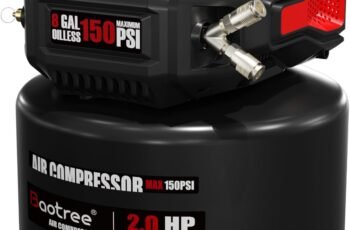
Have we been looking for a dependable replacement kit for our Cable DeVilbiss K-0648 air compressor?
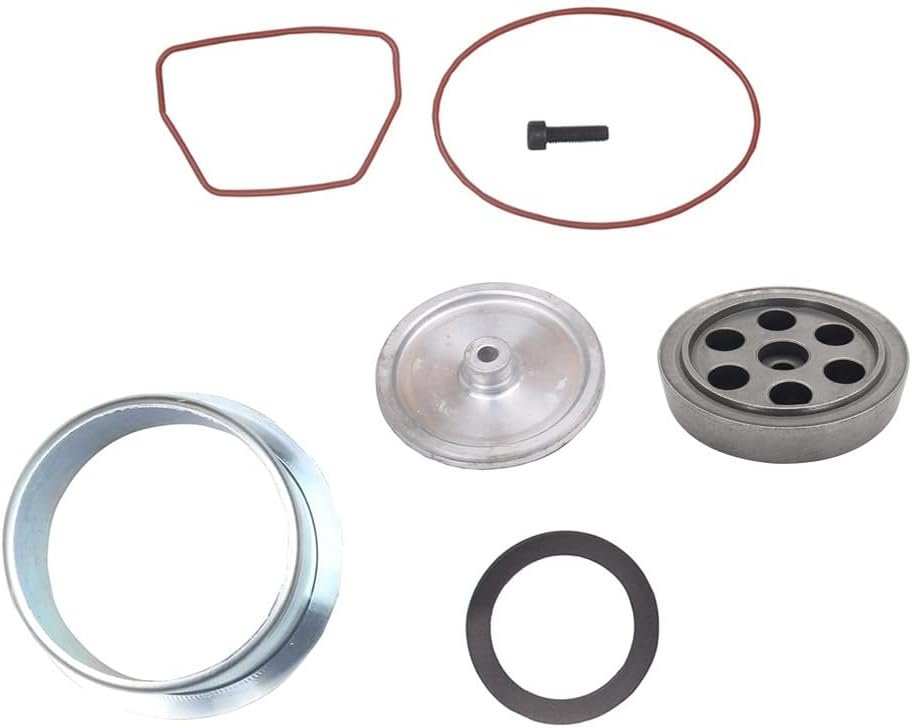

Overview of the Air Compressor Cylinder Comp Ring Kit K-0648 Compatible with Cable DeVilbiss K-0648
We find this kit positioned as a direct replacement designed to restore compression and extend the working life of compressors that use the Cable DeVilbiss K-0648 assembly. The listing emphasizes a PTFE-coated, oil-free piston ring and a coated cylinder sleeve among a total of seven parts, which suggests a focus on reduced friction and maintenance-free operation for certain applications. In our experience, kits that combine coated components can simplify servicing and can help maintain performance without significant changes to operating practices.
What this kit is intended for
This kit is intended to renew the sealing surfaces inside an air compressor cylinder so that compression levels return to factory-like performance. We use such kits when compression loss, excessive oil carryover, or rising operating temperatures signal worn piston rings or cylinder coatings. If we are trying to avoid a full compressor replacement, a compression ring kit like this is often a practical intermediate solution.
What’s in the Box
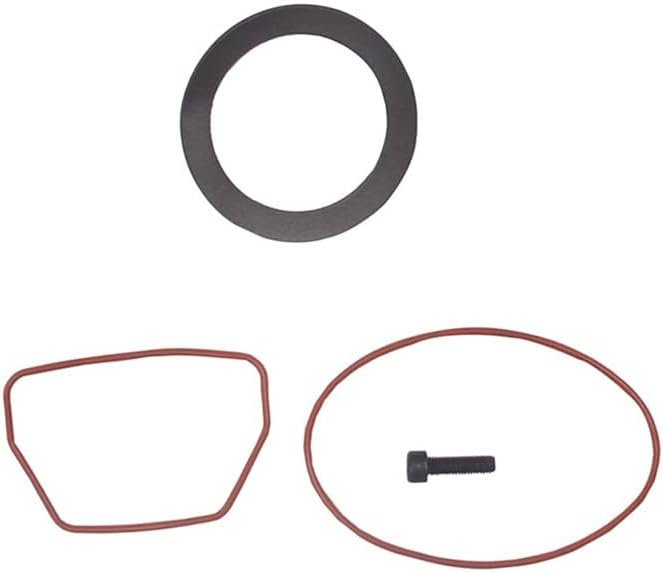
The product description states there are seven parts and explicitly calls out one PTFE-coated oil-free piston ring and one coated cylinder sleeve; the rest of the parts are reported to be detailed in the product pictures. We always recommend confirming the itemized contents with the seller prior to purchase if the listing images or description leave uncertainty about specific seals, gaskets, or retaining hardware. From a repair standpoint, receiving the correct sealing rings and sleeves matters more than cosmetic packaging.
Component breakdown
We want to be transparent about the contents and how each element contributes to restoring function. Below we provide a concise breakdown of the parts commonly included in kits of this type, based on the product description and typical configurations for comparable compressor kits.
| Part name | Quantity (reported) | Purpose | Notes |
|---|---|---|---|
| PTFE-coated oil-free piston ring | 1 | Provides low-friction sealing and helps maintain compression without additional lubrication | PTFE reduces friction and can lower wear on the piston/cylinder interface |
| Coated cylinder sleeve | 1 | Restores the bore surface to ensure proper ring seating and compression | Coating improves wear resistance and compatibility with oil-free rings |
| Additional sealing rings / ring segments | 2–3 | Supplement primary sealing; absorb minor scoring or wear | Exact type and number may vary; check pictures |
| O-rings / gaskets | 1–2 | Seal mating surfaces and prevent external leakage | Often included to replace aged seals |
| Retainers / clips / small hardware | 1–2 sets | Secure rings and sleeve in place during assembly | Hardware specs may vary by supplier |
We stress that the listing explicitly notes “included item are detailed in the product pictures,” so we recommend verifying the boxed contents visually against the seller’s images. When we rebuild compressors, having a complete kit prevents return trips and downtime.
Specifications
We expect clear dimensional and material specs to ensure proper fit and function, and the product does provide some physical dimensions and material descriptions. The listing gives three overall dimensions and highlights a PTFE-coated piston ring and coated cylinder sleeve, which helps inform both fitment and expected wear characteristics.
Dimensions and weight
The dimensions specified in the description are 3.7 inches long, 5 inches wide, and 4.3 inches high, which appear to describe the package size rather than the internal component dimensions. We interpret these measurements as shipping dimensions, but when measuring components during installation we rely on bore diameter, piston length, and ring cross-section sizes—details that are often shown in technical diagrams or on OEM spec sheets. If we need exact internal measurements, we measure the cylinder bore and piston clearances directly or seek a detailed spec sheet from the manufacturer.
Material and coatings
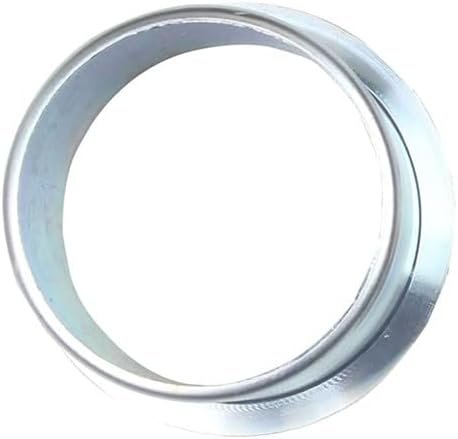
The kit highlights a PTFE-coated, oil-free piston ring and a coated cylinder sleeve. PTFE (polytetrafluoroethylene) coating on the piston ring reduces friction, improves wear properties, and can allow oil-free operation in some designs. The coated sleeve similarly aims to reduce adhesive wear and surface degradation while maintaining good sealing under compression cycles. We appreciate that the listing calls these out because coating materials are central to longevity and performance in both oil-lubricated and oil-free compressor systems.
Compatibility
The product is listed as “Compatible with Cable DeVilbiss K-0648,” which indicates it was designed to match the geometry and sealing requirements of that specific assembly. We always double-check model compatibility before purchase, especially for compressors with multiple variants or revisions. While similar kits may fit related models, we recommend confirming serial numbers or consulting the vendor or service manual to ensure a proper match.

Installation
We understand that many of us will install this kit in a workshop or garage setting, and a straightforward installation keeps downtime low. This section outlines the key preparation steps and general process considerations for replacing cylinder rings and sleeves in an air compressor.
Preparation and tools needed
Before starting, we gather the required tools: a torque wrench, socket set, screwdrivers, snap ring pliers, feeler gauges, a bore gauge (if available), and cleaning supplies such as lint-free cloths and solvent. We also recommend having replacement gaskets, thread locker, and a service manual or exploded diagram on hand to track torque specs and disassembly order. Making a clean, well-lit workspace and organizing removed parts helps prevent assembly mistakes.
Step-by-step installation overview
We typically follow these general steps: disconnect power and drain tanks, remove the cylinder head and any external components, extract the piston assembly, inspect and measure piston and bore dimensions, install the new sleeve (if required), fit the PTFE-coated ring(s) carefully to avoid damage, and reassemble with appropriate sealants and torque values. After reassembly, we run the compressor under observation to ensure there are no leaks or abnormal noises and to verify compression has returned to expected levels. If we are not confident in any step, we consult a qualified technician since incorrect installation can lead to premature failure or safety concerns.
Performance and Reliability
We think key performance indicators for this kit are restored compression, reduced friction, and improved wear resistance over the life of the components. A PTFE-coated piston ring coupled with a coated cylinder sleeve is a practical combination for maintaining longer-lasting sealing in many light-to-medium duty compressors, especially where oil-free operation is desired.
Sealing effectiveness and compression
The coated ring and sleeve should re-establish tight sealing between the piston and cylinder wall, which translates into improved compression ratios and more predictable delivery pressures. We pay attention to compression readings before and after replacement; a respectable uplift in PSI at similar RPM generally indicates the kit is doing its job. Proper ring end-gap and correct seating are essential to avoid blow-by or immediate wear.
Heat tolerance and wear resistance
PTFE coatings offer good thermal stability up to certain temperatures and reduce frictional heat generation at the ring-sleeve interface. The coated sleeve also helps prevent scuffing and micro-welding under load, which reduces abrasive wear and extends service life. We note, however, that extreme temperatures or contamination can reduce coating effectiveness, so operating conditions and intake filtration are also important for longevity.
Materials and Build Quality
We expect a repair kit to use robust materials and consistent coatings for dependable repeatability during maintenance cycles. The description points to PTFE on the piston ring and a coated sleeve—both intentional choices to mitigate metal-to-metal contact and enhance the functional life of the moving parts.
PTFE coating explained
PTFE provides a very low coefficient of friction, which assists in reducing wear and improving ring movement within the bore, especially when oil lubrication is limited or intentionally omitted. For us, that translates into smoother piston travel, less heat generation over time, and potentially longer intervals between rebuilds. PTFE also has good chemical resistance, which helps with contaminants that might be introduced through the intake air.
Cylinder sleeve coating and benefits
A coated cylinder sleeve serves to restore a hard, wear-resistant surface that can handle repeated ring travel without rapid scoring. The coating adds a controlled surface finish that helps the rings bed-in properly and maintain the compression seal. When we compare coated sleeves to plain cast iron or untreated aluminum bores, coated surfaces generally show better resistance to minor debris and better compatibility with low-lubricant or oil-free rings.
Maintenance and Longevity
Installing this kit should not be treated as a one-time fix but as a part of a broader maintenance plan to keep the compressor running reliably. Proper maintenance before and after installation is key to getting the expected lifespan from coated components.
Routine maintenance tips
We recommend keeping the air intake clean and using proper filtration to prevent abrasive particles from entering the cylinder. Regular checks for leaks, monitoring operating temperature, and following the compressor’s service schedule for filter and tank maintenance will go a long way toward preserving the new components’ condition. Periodic compression checks can help us catch issues early before they become costly repairs.
Signs of wear and when to replace
If we notice declining delivery pressure, increased power draw at the same workload, visible scoring in the bore, or excessive blow-by (air in the crankcase or oil carryover where applicable), these are signs the ring or sleeve may be wearing out. Vibration and unusual noises can also indicate internal wear. In those cases, replacing the compression ring kit and investigating root causes (contamination, overheating, lubrication issues) is advisable.
Troubleshooting Common Issues
Even with careful installation, we may encounter problems. A methodical approach to diagnosing common symptoms helps us get the compressor back to service quickly and safely.
Leak detection and fixes
External leaks at head gaskets, fittings, or seals usually present straightforward fixes: tighten to spec, replace seals, or re-seat gaskets. Internal compression loss is more complex and may indicate incomplete ring seating, incorrect ring gap, or a misaligned sleeve. If compression is low after installation, we recheck ring orientation, end gaps, torque values, and mating surfaces for burrs or foreign objects.
Noise and vibration causes
New rings often produce a short break-in noise as they seat into the sleeve, which generally subsides after an initial run-in period. Persistent knocking, metallic clanking, or increased vibration can signal incorrect assembly, a bent connecting rod, or severe scoring in the bore. When we hear abnormal sounds, we pause operation, perform a careful visual inspection, and use bore gauges and feeler tools to verify tolerances.
Comparison with Alternatives
When selecting a replacement kit, we weigh cost, materials, and brand reputation. OEM kits often match exact tolerances and may include detailed instructions, while aftermarket kits can offer cost savings and sometimes material upgrades like PTFE coatings.
OEM vs aftermarket
OEM (original equipment manufacturer) kits typically guarantee fit and may be covered by manufacturer support, which simplifies warranty considerations. Aftermarket kits, like this listing suggests being compatible rather than OEM-branded, can offer competitive pricing and upgraded materials but may require extra diligence to ensure fit and included hardware match our compressor variant.
Price vs performance
We balance initial cost against the likely service life and the time we’ll spend on labor and potential rework. If a coated ring and sleeve reduce downtime and extend overhaul intervals, the slightly higher up-front cost can be justified. Conversely, inexpensive kits using lower-quality materials may appear economical initially but lead to earlier rework.
Pros and Cons
We like to summarize strengths and potential trade-offs so we can decide whether the kit meets our needs before purchase. Below we outline the main advantages and any possible shortcomings based on the product description and typical user expectations for similar kits.
Pros
We appreciate that the kit includes a PTFE-coated piston ring and a coated cylinder sleeve, which together reduce friction and support oil-free operation. The compact package size and the report of seven parts suggest a fairly complete kit that could address the common wear points without needing additional components.
Cons
The listing provides minimal detail about the exact identities of the remaining parts and lacks specific ring cross-section or bore diameter measurements, which means we need to verify fitment before purchase. Also, aftermarket kits sometimes omit some small hardware or use hardware with different tolerances than OEM, so we recommend confirming the complete contents with seller images.
Value for Money
We determine value by comparing what’s included, the materials used, and expected longevity versus the price asked. A kit that restores compression and prevents immediate rework represents good value, particularly if it saves us from buying a whole new compressor or contracting a professional repair.
Who should buy this kit
This kit is a good fit for technicians and hobbyists who are comfortable performing cylinder-level service and who run Cable DeVilbiss K-0648-equipped compressors or compatible variants. If we are looking to restore compression, reduce oil dependence, and improve friction characteristics without a full rebuild, this kit may deliver the targeted improvements.
Who should consider alternatives
If we require guaranteed OEM fitment, detailed engineering specs, or are working on a high-hour industrial compressor where downtime is extremely costly, we might prefer OEM parts or consult with the original manufacturer for a service kit. Likewise, if the compressor has severe internal damage beyond rings and sleeves (cracked pistons, scored rods, etc.), a more comprehensive overhaul might be necessary.
Our Final Verdict
We find the Air Compressor Cylinder Comp Ring Kit K-0648 Compatible with Cable DeVilbiss K-0648 to be a practical option for restoring compression in compatible compressors, particularly where PTFE-coated components and a complete-seeming kit can reduce friction and extend service intervals. The limited detail about the full parts list and the lack of precise internal dimensions mean we must confirm compatibility and contents before purchase, but overall the materials and design approach align with reasonable expectations for an aftermarket rebuild kit.
Frequently Asked Questions
Q: Is this kit truly compatible with Cable DeVilbiss K-0648?
We rely on the seller’s compatibility claim and advise that buyers confirm model numbers and check the product pictures to ensure the parts match the geometry and hardware of their compressor. If uncertainty remains, contacting the seller or comparing part numbers against an OEM parts diagram is a prudent step.
Q: Will the PTFE coating eliminate the need for oil in the compressor?
PTFE-coated rings reduce friction and can help in oil-free applications, but they do not universally eliminate the need for lubrication in all designs. We recommend following the compressor manufacturer’s guidance regarding lubrication; coating can reduce reliance on oil but may not substitute for design-intended lubrication in certain compressors.
Q: Do we need special tools to install the kit?
Basic hand tools, torque wrenches, and snap ring pliers are often sufficient, but precision measurement tools like feeler gauges and bore gauges are helpful for ensuring correct ring end-gaps and concentricity. If we lack these tools or are uncomfortable with disassembly/reassembly, professional service may be the safer choice.
Q: How long should the new rings and sleeve last?
Lifespan depends on operating conditions, contamination levels, maintenance practices, and load cycles; coated components typically last longer than uncoated ones under similar conditions. With proper filtration and maintenance, we expect a noticeable improvement in service life versus worn, uncoated parts, but exact intervals vary widely.
Q: Are all seven parts necessary to restore compression?
Usually, replacing the piston ring and the sleeve addresses the main sources of compression loss, but the accompanying seals, O-rings, and hardware complete the assembly and prevent external leaks or mounting issues. We recommend installing the full set provided to ensure a reliable repair.
Q: What should we inspect if compression doesn’t improve after installation?
We re-check ring end-gap, ring orientation, sleeve seating, head gasket integrity, and torques on head bolts or mounting hardware. We also look for residual scoring, stuck rings, or incorrect clearances that would prevent proper sealing. If measurements are out of tolerance, further machining or component replacement may be needed.
Q: Can we use this kit for other compressor models?
While the kit lists compatibility with Cable DeVilbiss K-0648, similar models with matching bore and piston dimensions might accept the kit, but we should verify exact dimensions and clearances before attempting to install on another model. When in doubt, consult parts diagrams or the supplier.
Q: Are replacement instructions included?
The listing does not explicitly promise detailed instructions, so we assume only basic guidance or visual references may be present in images. We recommend having a service manual or reputable step-by-step guide on hand when performing the replacement, and we suggest documenting torque values and part orientation during disassembly.
Q: How do coatings affect break-in procedure?
Coated surfaces often require a gentle break-in period with controlled loading and monitoring to allow proper mating between rings and sleeve without aggressive wear. We typically run the compressor at lower loads for an initial period while watching temperatures, oil (if applicable), and pressure to ensure smooth seating.
Q: Is there a warranty or return policy?
Warranty and return details vary by seller; we advise checking the specific listing or contacting the vendor for clarity. We prefer sellers who provide at least a limited guarantee against defects or incorrect fitment to minimize risk.
Closing thoughts and buying tips
When we buy a compression ring kit, we balance material quality, the completeness of the kit, and verification of fitment against the cost and urgency of repair. This kit’s PTFE-coated ring and coated sleeve are compelling features for anyone seeking reduced friction and longer life in a compatible Cable DeVilbiss K-0648 compressor. We recommend verifying the part list and confirming that the kit includes any small hardware needed for assembly, and we encourage careful measurement and adherence to torque and installation procedures to achieve the best performance.
If we proceed with this kit, we will prepare our workspace, gather the right tools, verify fitment against the compressor’s measurements, and perform a conscientious installation and break-in. By taking those steps, we increase the odds that the kit will restore compression and reliability efficiently and cost-effectively.

Disclosure: As an Amazon Associate, I earn from qualifying purchases.