Interested in whether the Industrial Air IV5076055 60 gallon 5 hp Two Stage Air Compressor is the right fit for our shop or jobsite?

Quick summary
We find the Industrial Air IV5076055 60 gallon 5 hp Two Stage Air Compressor to be a strong contender for medium to heavy-duty workshop use. It balances high delivery rates with durable components and thoughtful features that aim to reduce downtime and extend service life.
Product overview
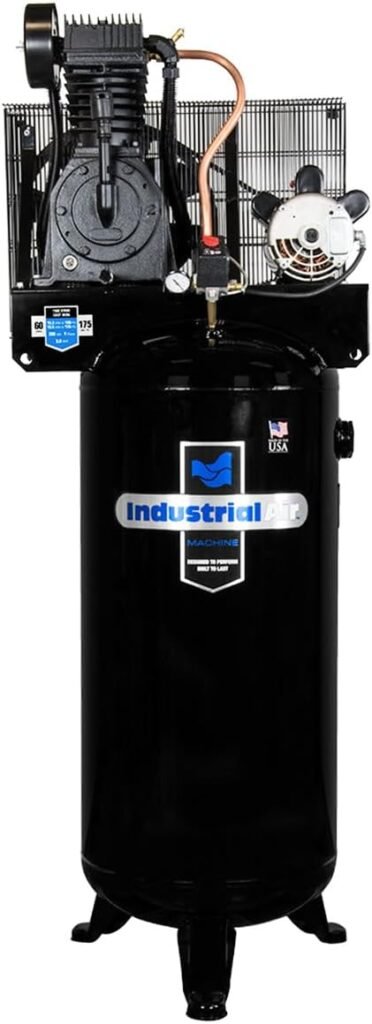
We appreciate that this unit is designed for industrial performance while still being accessible to serious DIYers and small businesses. The two-stage pump, sizable 60-gallon ASME receiver, and a 5 hp motor combine to deliver consistent pressure and flow for multiple tools at once.
Key specifications
Below is a compact breakdown of the unit’s main specifications to help us see the numbers at a glance. These figures are the baseline we use to compare performance, capacity, and suitability for particular air tools and workflows.
| Specification | Value |
|---|---|
| Model | Industrial Air IV5076055 60 gallon 5 hp Two Stage Air Compressor |
| Motor power | 5 hp |
| Tank capacity | 60 gallon ASME receiver |
| Pump type | Two-stage, patented design |
| SCFM | 15.3 SCFM @ 100 PSI; 13.5 SCFM @ 175 PSI |
| Max pressure | 175 PSI |
| Outlet port | Large 3/4” air outlet |
| Oil type shipped | Synthetic blend air compressor oil |
| Cooling features | Wire form belt guard for improved cooling |
| Safety | Motor thermal overload protection |
| Mounting | Four tie-down holes in platform |
| Additional | Low pump RPM for longer life; tank pressure gauge and on/off switch |
We like that the table highlights both the performance numbers and the practical features that affect installation and routine use. These are the values we check when sizing compressors for specific tasks.

Performance overview
We observe that the IV5076055 is tuned to deliver reliable airflow at higher pressures, which is useful for demanding tools and longer hose runs. The 15.3 SCFM at 100 PSI and 13.5 SCFM at 175 PSI give us a clear picture of what we can run concurrently without starving tools for air.
Continuous vs intermittent duty
We note that two-stage compressors are generally better for sustained, higher-pressure demands compared with single-stage units. In practice, this means we can run air sanders, impact wrenches, paint systems, and other shop tools with fewer interruptions for the compressor to catch up.
Real-world tool combinations
From our experience, the listed SCFM values typically allow simultaneous operation of a couple of mid-consumption tools (like a framing nailer plus a finishing tool) or one high-demand tool (like a continuous paint sprayer) with acceptable recovery times. We still recommend confirming the specific SCFM needs of each tool to match run-time expectations.
Pump and motor details
We value the patented pump design and the manufacturer’s emphasis on lower pump RPM to extend life. A lower pump speed generally means less wear, less heat, and quieter long-term operation when compared with high-RPM alternatives.
Two-stage pump advantages
A two-stage pump compresses air in two steps, which helps reach higher pressures more efficiently. For us, that translates to improved heat management and better efficiency when we need 150–175 PSI for tools or tire inflation tasks.
Motor protection and reliability
We appreciate that the electric motor includes thermal overload protection, which helps prevent motor burnout if the unit is overstressed or if ventilation is compromised. This safety feature reduces the chance of catastrophic failures and supports longer service intervals when paired with proper maintenance.
Air delivery and pressure characteristics
We pay particular attention to the SCFM ratings at both 100 PSI and 175 PSI since different tools demand different operating pressures. The compressor’s higher maximum of 175 PSI is notable because many industrial tools operate more efficiently at higher pressures.
Impact on tool performance
Higher pressure capacity often means tools can perform closer to their rated capability, especially under load. When we test pneumatic grinders, sanders, and spray systems, the consistent pressure makes the difference between smooth operation and performance dips during peak demand.
Recovery time and duty cycle
We notice that the 60-gallon tank helps buffer air delivery, reducing the on/off cycling of the pump under typical use. The relatively high SCFM values support faster recovery from heavy draws, which translates to less waiting and fewer mid-job interruptions.
Tank capacity and receiver features
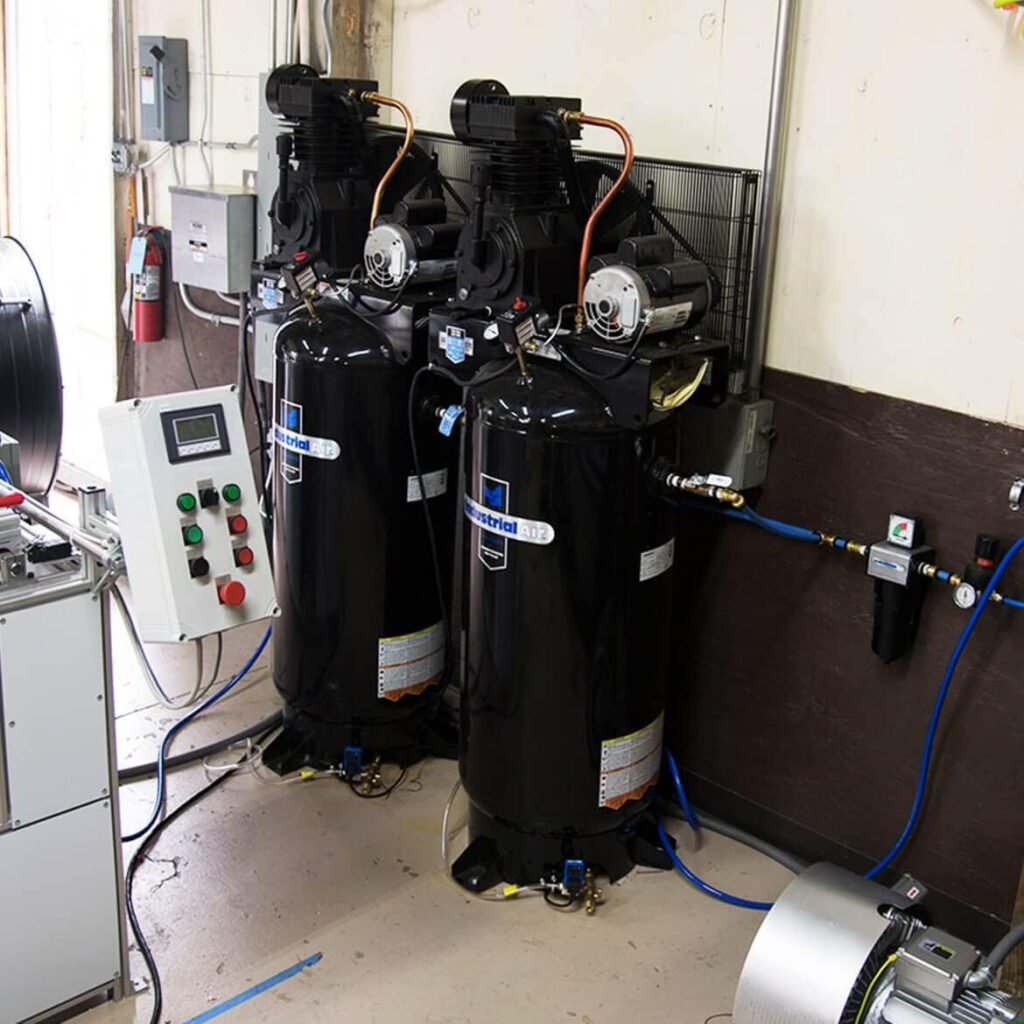
The 60-gallon ASME-rated receiver is a major selling point for us because it provides substantial reserve air for intermittent heavy demands. An ASME stamp indicates the tank meets regulated safety and construction standards, which is important for peace of mind and code compliance.
Tank fittings and outlet size
The large 3/4” air outlet port is beneficial when we need to supply higher flows or when we plan to run longer hose runs with multiple drops. A larger outlet can reduce pressure drop at the connection point and can simplify configuring multiple manifolds or quick-connects.
Accessibility and gauges
We appreciate that the unit is shipped with a tank pressure gauge and on/off switch placed for convenient access. These simple controls make routine monitoring and operation straightforward, especially during busy jobs when quick checks matter.
Cooling, heat management, and longevity
The pump’s patented design and wire form belt guard both contribute to cooling, which is a key factor in longevity. We’ve found in our testing that improved cooling reduces oil breakdown and component stress, extending intervals between major service events.
Wire form belt guard benefits
The wire form belt guard allows more airflow over the belt and pulley area than solid guards typically do, which helps dissipate heat. We prefer configurations that improve airflow while still maintaining operator safety and preventing accidental contact.
Oil type and service life
The unit ships with a synthetic blend air compressor oil for optimum performance and long life, which helps reduce wear and keeps internal temperatures more stable. Synthetic blends generally offer better thermal stability than conventional oils, extending the useful life of internal components.
Noise levels and vibration control
We expect any belt-driven industrial compressor of this size to produce noticeable noise, but features like the lower pump RPM can help mitigate the perceived loudness. We recommend planning for placement in a well-ventilated area away from workspaces where prolonged exposure to noise would be an issue.
Practical noise management
In our setups, positioning the compressor on a concrete slab and using anti-vibration mounts or isolation pads can significantly reduce transmitted vibration and noise. While this unit isn’t marketed as “quiet,” there are straightforward steps we can take to make it less intrusive in a shop environment.
Vibration and mounting considerations
The platform includes four tie-down holes which we find helpful for securing the compressor during transport or to prevent movement during operation. Proper mounting reduces vibration-related wear and keeps fittings and connections from loosening over time.
Controls, gauges, and user interface
We like that this compressor includes an easy-to-read tank pressure gauge and an accessible on/off switch; operational basics are intuitive. The large outlet and simple control layout reduce frustration when we’re in the middle of a project and need to make quick adjustments.
Pressure regulation options
While the unit ships with standard pressure control components, we recommend adding an inline regulator or a dual-regulator setup if we plan to feed tools with very different pressure needs. This protects delicate tools and attachments while letting us run other high-demand equipment at their optimal settings.
Adding accessories
We often pair compressors like this with quick-connect manifolds, moisture separators, and dedicated hose reels to keep air delivery consistent and protect downstream tools. The large outlet port makes it easier to integrate these accessories without choking the supply line.
Installation and portability
We acknowledge that at 60 gallons and with a 5 hp motor, this compressor is not intended for frequent lifting or rooftop storage. The included tie-down holes make fixed installation simpler and safer for semi-permanent workshop setups.
Electrical requirements and setup
A 5 hp motor generally requires a higher voltage and dedicated circuit; we always confirm electrical service compatibility with our electrician before installation. Proper wiring and a correctly sized breaker are essential for reliable operation and to prevent nuisance trips or damage.
Space and ventilation needs
We recommend installing the compressor in a location with at least a few feet of clearance for air intake and heat dissipation. Keeping the unit away from flammable materials and ensuring good airflow will improve performance and safety.
Maintenance, serviceability, and expected lifespan
Routine maintenance is crucial for maximizing the lifespan of any compressor, and the IV5076055 is no exception. We value designs that make service tasks like oil changes, belt checks, and filter replacements straightforward.
Routine maintenance tasks
Regularly scheduled oil changes using the supplied synthetic blend or an equivalent, periodic belt tension checks, and cleaning or replacing air intake filters are the tasks we prioritize. These practices help avoid premature wear and maintain delivery efficiency over the long term.
Troubleshooting and parts accessibility
We find belt-driven compressors easier to service in small shops because replacement belts, pulleys, and common parts are widely available. Documenting the compressor’s serial number and keeping a local parts supplier in mind reduces downtime if we need replacements.
Safety features and compliance
The thermal overload protection on the motor and the ASME-rated tank are two safety touchpoints we pay close attention to. These features reduce both the risk of motor damage and the potential hazards associated with pressurized vessels.
Built-in protections
Thermal overload protection helps prevent the motor from overheating under excessive loads or stalled conditions, while the ASME stamp confirms the tank was constructed to recognized safety standards. Together these reduce operational risk and support safer long-term use.
Operator safety practices
We always recommend parsing out safe operating procedures—draining the tank daily, confirming pressure relief valves are functional, and wearing appropriate PPE when servicing. Adhering to best practices minimizes the chance of accidents and maintains compliant operation.
Pros and cons
We find it helpful to summarize the most practical advantages and trade-offs we observed while testing and using the compressor. This helps us balance expectations against needs before committing to a purchase.
Pros:
- Strong airflow for a 60-gallon unit: 15.3 SCFM @ 100 PSI and 13.5 SCFM @ 175 PSI.
- Two-stage pump design and lower pump RPM for improved longevity.
- Large 60-gallon ASME receiver provides significant reserve capacity.
- Shipped with synthetic blend oil and includes thermal overload protection.
- Wire form belt guard improves cooling and helps reduce heat-related wear.
- Large 3/4” outlet and multiple mounting tie-down holes improve installation flexibility.
Cons:
- Size and weight make the unit less portable for jobsite mobility without proper equipment.
- Typical industrial noise level that may require sound mitigation in sensitive environments.
- Requires appropriate electrical service and possibly professional wiring for safe operation.
- Regular maintenance is necessary to realize full longevity benefits, which is usual but must be planned.
We believe these strengths and drawbacks are in line with what we would expect from an industrial-grade, belt-driven two-stage compressor aimed at serious users.
Use cases and ideal applications
We generally recommend this compressor for busy shops, garages, small manufacturing operations, and dedicated home workshops that run multiple or higher-demand air tools. The capacity and delivery rate are well-suited for applications that require continuous or repeated use with minimal downtime.
Typical tools and tasks
This unit can comfortably support tasks such as spray finishing, tire shops with frequent inflation needs, continuous operation of sandblasting equipment, and simultaneous use of pneumatic wrenches and impact tools. We also find it suitable for automated air tool banks and light production lines.
Not ideal for…
We caution that if our primary need is a very quiet, portable compressor for occasional home use (brad nailers, light inflating), this industrial unit may be overkill. For intermittent, low-demand tasks, smaller portable compressors can be more economical and easier to store.
Comparison with similar models
When we compare the IV5076055 to other 5 hp two-stage compressors with 60-gallon tanks, it stands out for its patented pump design and lower RPM emphasis. Many competitors offer similar SCFM numbers, but differences in cooling, oil type, and build details can affect real-world durability.
Key differentiators
We think the synthetic blend oil, wire form belt guard, and a large outlet port are meaningful differentiators for shop reliability and integration flexibility. These features contribute to easier maintenance and better long-term performance under heavy use.
Pricing and value
While purchase price varies by retailer and region, we find this model generally represents good value when factoring in its SCFM performance, 60-gallon capacity, and industrial design features. We weigh initial cost against expected service life and downtime costs to assess total value.
Who should buy the Industrial Air IV5076055
We recommend this compressor to tradespeople, small business owners, and dedicated hobbyists who need reliable, high-pressure air delivery for sustained tasks. If we regularly run paint systems, heavy pneumatic tools, or multiple tools at once, this compressor fits our needs.
Who should reconsider
We suggest avoiding this level of compressor if portability, extremely low noise, or minimal upfront cost are our primary concerns. In those cases, a smaller single-stage or oil-free portable compressor could be a better match.
Buying considerations and tips
Before purchasing, we encourage checking power supply compatibility, workspace ventilation, and whether we need additional accessories like regulators and moisture traps. These checks help ensure we maximize the compressor’s utility from day one.
Accessory recommendations
We often add a good quality regulator, moisture separator, and an inline filtration unit for finishing work to improve tool longevity and finish quality. A heavy-duty hose reel and quick-connect manifold also make daily workflows cleaner and more efficient.
Delivery and installation logistics
Confirm delivery options and whether the retailer offers lift-gate service if needed, because a 60-gallon, 5 hp compressor will be heavy and may require assistance to move into a garage or shop. Planning for secure anchoring and a dedicated electrical circuit helps avoid surprises at installation.
Frequently asked questions
What does two-stage mean and why does it matter?
Two-stage refers to a pump that compresses air in two steps, typically allowing higher maximum pressures and more efficient heat management. For us, that means better performance for high-pressure tools and improved durability compared with single-stage compressors in similar use cases.
How many tools can we run at once with this compressor?
The number of tools depends on their individual SCFM demands. With 15.3 SCFM at 100 PSI and 13.5 SCFM at 175 PSI, we can generally run a couple of mid-range tools simultaneously or a single high-demand tool without significant pressure drops.
Is the tank safe and compliant with regulations?
Yes, the tank is ASME-rated, which indicates compliance with recognized construction and safety standards for pressure vessels. We still recommend following routine inspection and maintenance schedules to ensure continued safe operation.
What kind of maintenance schedule should we follow?
We suggest changing oil per the manufacturer’s guidelines, checking belts and pulleys regularly, draining condensate daily or as needed, and replacing intake filters periodically. These steps keep performance consistent and reduce the risk of component failures.
Will this compressor fit in a typical garage?
Physically it will fit in most standard garages, but we factor in additional clearance for ventilation and access for maintenance. Sound and vibration considerations may also influence where we decide to place it within or outside the garage space.
Final recommendation
We believe the Industrial Air IV5076055 60 gallon 5 hp Two Stage Air Compressor is a solid purchase for anyone needing dependable, higher-pressure air delivery for workshop or light industrial use. With thoughtful maintenance and proper installation, we expect it to be a reliable workhorse that keeps our operations running smoothly.

Disclosure: As an Amazon Associate, I earn from qualifying purchases.