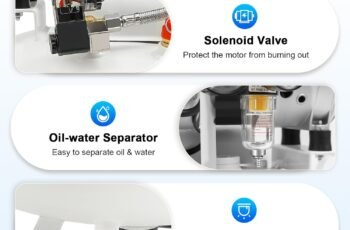
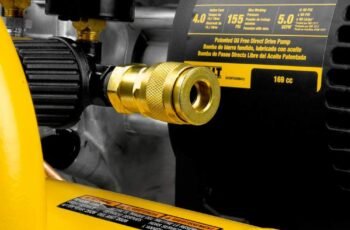
Are we ready to see whether the CAMPBELL HAUSFELD 60 Gallon Vertical Air Compressor, 3.7 HP, 240V, 135 Max PSI fits our shop needs?

Product Overview
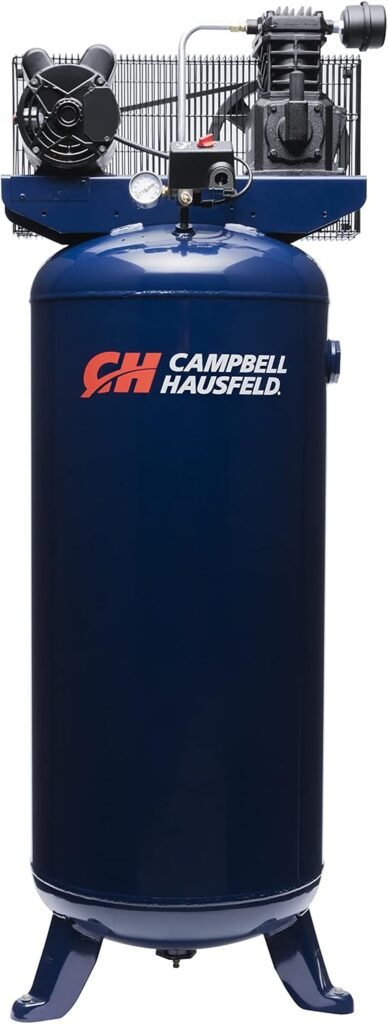
We like to start with a clear picture of what this unit is and what it promises. The CAMPBELL HAUSFELD 60 Gallon Vertical Air Compressor, 3.7 HP, 240V, 135 Max PSI is positioned as a durable, efficient, high-performance vertical compressor intended for professional use and demanding environments.
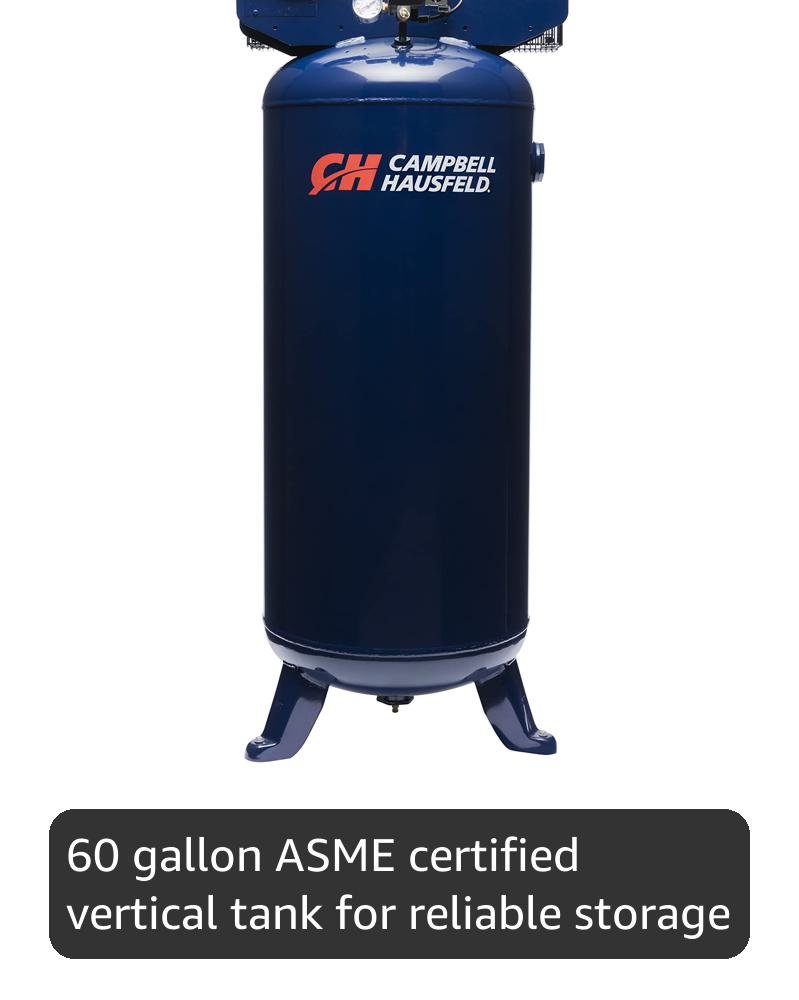
We find that the core selling points are straightforward: a sizable 60 gallon ASME-certified tank, a powerful 3.7 HP motor, oil-lubricated pump for longevity, and a maximum 135 PSI capability with 10.2 CFM at 90 PSI for steady airflow. The vertical layout aims to reduce footprint in the shop while still delivering industrial-level performance.
Key Specifications
We always appreciate a consolidated spec list to help us compare. Below is a quick-reference table to break down the important numerical and safety specs for easier digestion.
| Specification | Detail |
|---|---|
| Model | CAMPBELL HAUSFELD 60 Gallon Vertical Air Compressor, 3.7 HP, 240V, 135 Max PSI |
| Tank Capacity | 60 gallon ASME-certified |
| Max PSI | 135 PSI |
| CFM | 10.2 CFM at 90 PSI |
| Motor | 3.7 HP |
| Voltage | 230–240V (check local requirements and wiring) |
| Pump Type | Oil-lubricated |
| Guard | Fully enclosed metal belt guard |
| Orientation | Vertical |
| Intended Use | Professional / industrial applications |
We feel that the table gives a quick snapshot and helps us judge suitability before reading the deeper sections. The numeric specs are what most of our purchase decisions hinge on, especially when matching tools and air demand.
Notes on Voltage and Power
We want to highlight electrical requirements because they influence installation. The unit is specified around 240V, and the product references 230V as well; in practical terms this means it will need a 230–240V dedicated circuit and appropriate wiring.
We recommend verifying our facility’s electrical service rating and consulting a licensed electrician for proper breaker sizing and wiring to ensure safety and compliance. Installing high-power compressors on undersized circuits is a common mistake that leads to nuisance trips or more serious issues.

Performance
We like to evaluate how a compressor behaves under load and what to expect in everyday use. This model’s 10.2 CFM at 90 PSI is the primary indicator of useful sustained performance for most shop tasks.
In our experience, that airflow is enough to run pneumatic nailers, impact wrenches for light-to-medium automotive tasks, paint guns for small to medium jobs, and other intermittent heavy tools. For continuous heavy-duty production use (e.g., multiple grinders or concurrent paint booths), we would consider the total CFM demand and possibly a larger or multiple compressors.
Air Delivery and Pressure
We pay close attention to delivered CFM at working PSI because that determines tool compatibility. With a max PSI of 135 and rated 10.2 CFM at 90 PSI, the unit provides solid mid-range capacity for a wide range of tasks.
We note that peak PSI of 135 gives us some headroom, but tools generally run off a regulated pressure closer to 90–100 PSI. For consistent performance, we recommend monitoring duty cycle and tool CFM requirements to prevent pressure droop during multi-tool operation.
Motor and Power
We appreciate robust motor sizing for longevity and stable performance under load. The 3.7 HP motor gives this compressor a strong starting and running capability to fill a 60 gallon tank at a usable duty cycle.
We emphasize that motor start current and running amps can be significant, so wiring and breaker sizing should be done to match the motor’s electrical specifications. Proper motor protection and starter configuration will extend motor life and reduce electrical issues.
Design and Build Quality
We like compressors that show attention to durability, serviceability, and safe operation. This model uses an oil-lubricated pump, enclosed belt guard, and an ASME-certified tank which signals focus on longevity and safety.
Construction appears targeted at professional environments where daily or frequent use is expected. We appreciate the vertical layout that reduces floor footprint while maintaining a generous tank volume for extended runtimes between motor cycles.
Vertical Design Benefits
We prefer vertical compressors when shop floor space is at a premium. The tall, vertical tank takes up less horizontal area and can fit into tighter workspaces or against walls while offering a large 60 gallon capacity.
We also like that the vertical orientation can improve airflow around the pump and motor assembly in some layouts, and it tends to be easier to access controls mounted at a convenient height. However, vertical units can be top-heavy, so stable placement and bolting options are worth considering.
Materials and Construction
We pay attention to materials that affect longevity and safety. The pump being oil-lubricated means better wear characteristics and generally longer service intervals compared to oil-free designs, especially under heavy loads.
We also value the fully enclosed metal belt guard, which protects moving parts and reduces the likelihood of accidents or debris ingress. The ASME-certified tank is particularly important to us because it confirms standardized pressure vessel manufacturing and safety testing.
Installation and Setup
We like clear guidance on physical setup and electrical connections because improper installation is a major source of problems. This compressor requires a proper mounting surface, adequate ventilation, and a dedicated electrical circuit consistent with its voltage and current needs.
We usually recommend having a professional electrician handle wiring and breaker installation. Additionally, we suggest planning the compressor location to minimize hose runs to commonly used tools and to ensure easy access to drains and service points.
Electrical Requirements
We stress that the compressor requires a 230–240V supply and will likely need a dedicated circuit with an appropriately sized breaker and conductor. Motor starting current may be high, and voltage drop over long runs can reduce performance or create nuisance trips.
We recommend checking the motor nameplate for exact amperage and phase information and consulting local electrical codes. Using proper starter/overload protection and confirming whether the compressor requires single-phase or three-phase supply are critical steps before powering up.
Footprint and Placement
We usually place vertical compressors near a wall or in a utility area to take advantage of their small floor footprint. Make sure there is enough clearance around the compressor for airflow, servicing the pump, and draining condensation.
We avoid tight corners where the belt guard or pump would be hard to reach, and we plan hose routing to reduce trip hazards and pressure losses. If the work area has noise-sensitive zones, consider placement or noise-reduction strategies.
Noise and Vibration
We care about noise and vibration because they affect operator comfort and nearby workspaces. Oil-lubricated compressors like this one typically run smoother and quieter than comparable oil-free units, but the motor and pump will still create noticeable sound, especially at startup.
We recommend planning for noise reduction if the compressor will be near offices or customer areas—options include sound-dampening enclosures, isolation pads, or locating the unit in a separate mechanical room.
Expected Sound Levels
We expect the sound level to be in the typical range for industrial compressors of this size, which can be loud enough to require hearing protection during prolonged close exposure. Exact dB figures are not provided, so we suggest measuring noise in our environment or asking the vendor for decibel ratings.
We also find that sound perception varies depending on floor mounting, nearby reflective surfaces, and any isolation measures. Installing vibration-damping mounts and keeping motor maintenance up-to-date will help reduce noise.
Vibration Dampening
We like to reduce vibration to protect the compressor and surrounding equipment. Placing the compressor on vibration-isolating pads and ensuring a level foundation reduces transmitted vibration and improves long-term component life.
We also suggest checking belt tension and alignments during setup, as loose belts or misaligned pulleys can increase vibration and reduce efficiency. Regular lubrication and mounting hardware checks are simple steps that yield noticeable improvements.
Maintenance and Serviceability
We value compressors that are service-friendly; oil-lubricated pumps require periodic service but tend to reward us with longer lifespan and superior reliability compared to maintenance-free units that wear faster under heavy use.
We recommend a simple maintenance checklist: regular oil changes, belt inspections and tensioning, safety valve checks, tank drain daily/weekly depending on humidity, and periodic professional inspections for tank integrity and motor health.
Oil-lubricated Pump Care
We emphasize routine oil changes and level checks as the most important maintenance item for longevity. Fresh, manufacturer-recommended oil keeps bearings and cylinders properly lubricated and reduces thermal wear.
We also advise inspecting for leaks, monitoring pump temperature and noise, and changing oil more frequently in heavy-use environments. Keeping a log of oil changes and service helps us spot trends early and avoid unexpected downtime.
Routine Checks and Parts
We perform routine inspections of the belt, air filters, pressure switches, and safety valves. Belts may need tension adjustments or replacement over time, and filters should be cleaned or replaced to protect pump internals.
We keep spare parts like belts, valves, and basic fittings on hand to minimize downtime. A scheduled maintenance plan with a local service provider can be worthwhile for commercial users who depend on consistent uptime.
Use Cases and Applications
We approach the compressor’s suitability by mapping its specs to real-world tools and workflows. With 10.2 CFM at 90 PSI and a 60 gallon tank, this compressor fits a wide variety of professional tasks but has some limits for simultaneous high-demand tool usage.
We find it well-suited for automotive maintenance, body shops doing paint and finishing work, small manufacturing or fabrication shops, and general-purpose shop use where several tools might be used in sequence rather than all at once.
Professional Workshops and Garages
We often recommend this type of compressor for garages doing repair and maintenance work. It supports impact wrenches, ratchets, air hammers, and pneumatic lifts with reasonable duty cycles, especially if tools are used intermittently.
For shops requiring continuous simultaneous use of multiple high-CFM tools, we advise an assessment of peak demand. In some cases, two compressors or a larger unit could be more productive.
Industrial and Construction Uses
We consider the compressor capable for light-to-moderate industrial tasks such as powering pneumatic assembly tools, spray booths for limited runs, and intermittent machining air supplies. Its robust construction and ASME tank make it appropriate for regulated environments.
However, heavy industrial plants that run multiple high-demand stations continuously may need larger compressors or dedicated systems with higher CFM ratings and industrial controls.
Automotive and Painting
We find painting tasks often benefit from a large tank because it helps stabilize pressure and reduce compressor cycles during spraying. With 10.2 CFM at 90 PSI, the unit can handle small to medium paint jobs well; larger continuous painting operations may stretch the compressor.
For automotive body shops, the compressor is a practical choice for sanding, spraying, and operating pneumatic tools during repair sequences. Pairing it with adequate regulators, moisture traps, and a properly sized paint gun will help achieve consistent finishes.
Pros and Cons
We like to weigh strengths and trade-offs so we can make a balanced decision. The CAMPBELL HAUSFELD 60 Gallon Vertical Compressor has clear advantages and a few considerations we should assess before purchase.
Advantages
We appreciate the large 60 gallon tank combined with a strong 3.7 HP motor, which yields steady performance and reduced motor cycling. The oil-lubricated pump and ASME-certified tank make it durable and meet safety expectations for professional settings.
We also value the enclosed metal belt guard for user protection and the vertical design for saving floor space. Overall, it reads as a well-rounded option for many shops and professional users who need reliable air delivery.
Potential Drawbacks
We note that for shops requiring continuous operation of multiple high-CFM tools at the same time, this unit may be stretched. Also, noise and starting current are considerations that require planning for placement and electrical infrastructure.
Finally, oil-lubricated pumps mean maintenance tasks like oil changes and occasional part replacements, which some users may find inconvenient compared to oil-free units despite the longevity benefits.
Comparison with Similar Models
We like to compare against other 60 gallon compressors and models in the same power band to determine relative value. This unit’s CFM, PSI, motor HP, and ASME certification place it squarely among solid mid-to-high-range professional compressors.
When we compare to similar vertical 60 gallon compressors, the 10.2 CFM at 90 PSI is competitive; some alternatives offer higher CFM at similar sizes but may lack ASME certification or oil-lubricated longevity.
Competing 60 Gallon Compressors
We find that competitors may offer slightly different trade-offs: larger CFM at higher noise, oil-free pumps for lower maintenance but shorter lifespan, or horizontal tanks that change footprint and mobility. Each trade-off matters depending on our specific workflow.
We recommend that we compare real-world CFM ratings at operating PSI rather than just peak PSI or motor HP, and confirm certifications and safety features such as tank testing and guards.
Value for Money
We evaluate cost relative to durability and specifications. Given the oil-lubricated pump, 3.7 HP motor, ASME tank, and enclosed guard, we feel the compressor offers strong value for professional users who will take advantage of its lifespan and performance.
If budget is tight and use is light or infrequent, a smaller or oil-free compressor might be more cost-effective. For heavy or frequent use, the initial premium for a robust, serviceable compressor often pays off through reduced downtime and longer service life.
Safety and Compliance
We prioritize safety features and compliance to reduce risk during operation. The ASME-certified tank and fully enclosed belt guard indicate that basic regulatory and user-safety elements are included with this model.
We also recommend following standard safety protocols: use pressure relief valves, ensure proper grounding, drain condensation regularly, and never modify or bypass safety devices.
ASME Tank and Guards
We appreciate that the tank is ASME-certified, which means it meets strict standards for pressure vessels and is tested for integrity and safe service. The metal belt guard reduces accidental contact with moving parts and debris ingress.
We suggest verifying certification documentation upon purchase and keeping service records in case inspections or audits are required for commercial installations. The presence of these features is reassuring for professional environments.
Operational Safety Tips
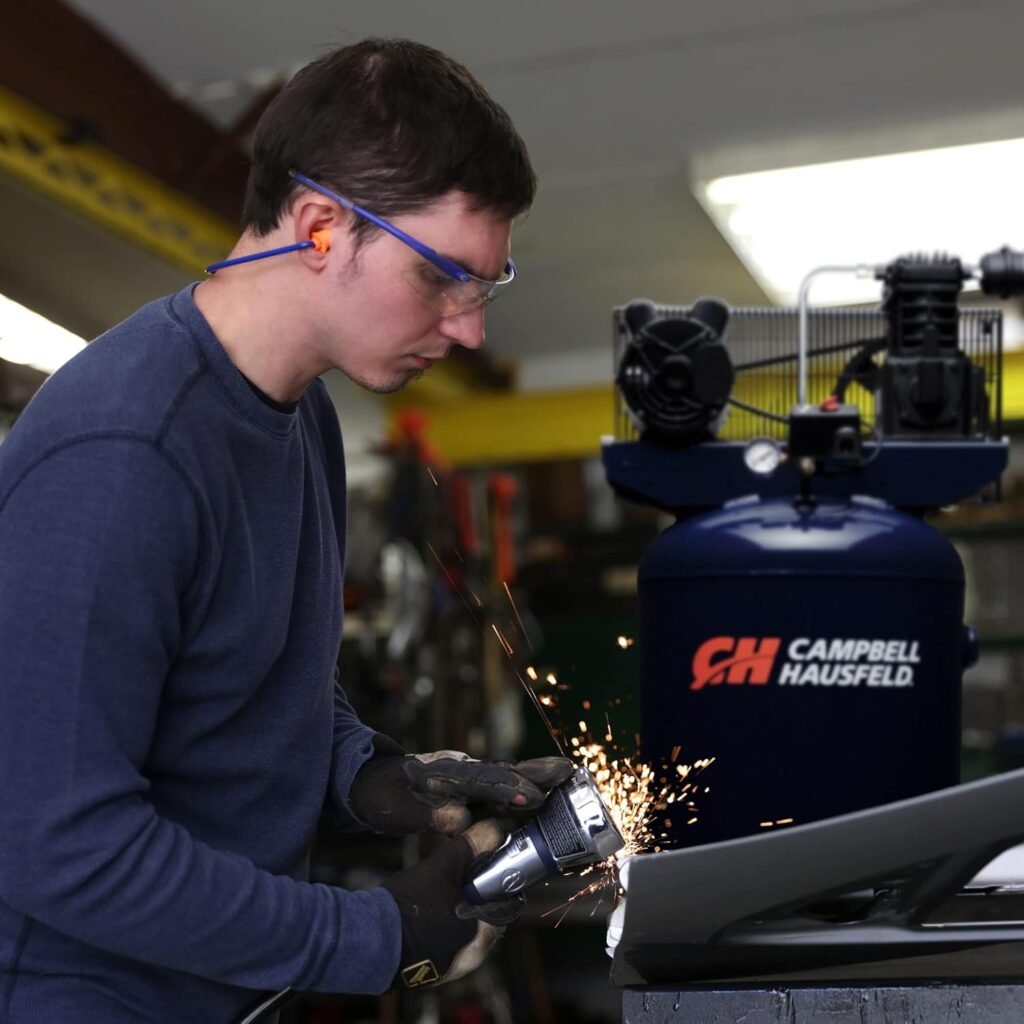
We follow basic safety procedures: wear hearing protection around loud compressors, use eye protection when working with pneumatic tools, and avoid standing over drains or fittings when depressurizing lines. We also emphasize the importance of locking out power before servicing.
Regular safety valve testing, checking electrical connections, and ensuring hoses and fittings are rated for the working pressures are straightforward actions that prevent most common accidents.
Accessories and Compatibility
We like to pair compressors with the right accessories to get the most out of them. Regulator/filter combinations, quality hoses, quick-connect fittings, and moisture traps all improve tool performance and longevity.
We recommend using a quality air dryer or aftercooler for painting and finishing tasks and installing pressure regulators close to tool points for consistent results. Quick-connects should match the tool sizes and be rated for PSI well above our operating pressure.
Recommended Hoses and Tools
We prefer hoses sized to minimize pressure drop for our hose lengths and tool types; larger internal diameter hoses reduce pressure loss for long runs and high-demand tools. Reinforced or braided hoses can withstand higher pressure and abrasive shop environments.
We also suggest matching fitting sizes and using leak-free connections; a few dollars invested in quality fittings and hoses can save frustration and loss of power during critical jobs.
Filter and Regulator Options
We find that a multi-stage filtration and regulation setup is beneficial, especially for paint booths or sensitive pneumatic controls. Using an inline regulator with a moisture trap and particulate filter before paint equipment improves finish quality significantly.
We also recommend scheduling filter replacements based on usage and monitoring pressure drop across filters to avoid restricting airflow during peak jobs.
Real-world User Experience
We like to imagine how the compressor performs day-to-day. Based on the specs and design, we expect reliable uptime for most professional shops when the unit is installed and maintained properly.
Users will notice strong, steady air delivery for intermittent high-demand tasks and appreciable savings in motor cycling due to the 60 gallon tank. Regular maintenance is part of the experience but pays dividends in dependability.
Setup and First Use
We recommend allocating time for proper setup: level the unit, confirm electrical hookups, check oil level, and run the unit unloaded to verify normal operation. Drain the tank after the first few hours to remove manufacturing residues or moisture.
We advise following the manufacturer’s initial break-in and oil-change recommendations to ensure smooth running and long component life. Documenting the initial setup helps with future troubleshooting and service history.
Daily Operation Notes
We keep an eye on tank pressure, motor temperature, and duty cycle during daily use. If pressure drops when multiple tools run, we reassess tool staggering or add supplementary air capacity. We also drain the tank regularly to prevent corrosion and maintain air quality.
We also monitor oil condition, belt tension if applicable, and listening for unusual noises that may indicate early wear or need for service. A short daily checklist helps prevent larger issues down the road.
Buying Advice and Recommendations
We approach the purchase decision by matching specs to our use case and shop environment. For many professional users, this CAMPBELL HAUSFELD model offers a balanced mix of tank size, airflow, motor power, and safety features.
We recommend measuring peak CFM demand for tools we plan to run simultaneously and ensuring the electrical infrastructure can support a 230–240V motor. If those boxes are checked and floor space is limited, this vertical 60 gallon compressor is worth serious consideration.
Who Should Buy This
We believe this compressor is ideal for small to medium professional shops, automotive garages, body shops, and light industrial applications where intermittent heavy use is common. It suits teams that require reliable, steady pressure and that perform routine maintenance.
We caution that for continuous high-CFM multi-station environments, larger compressors or multiple units may be more appropriate. This unit is a great fit when single-station or staggered multi-tool use is the typical pattern.
When to Consider Alternatives
We suggest considering alternatives if our shop runs multiple high-demand tools concurrently or if we lack the necessary electrical infrastructure. For extremely quiet environments, look at units specifically marketed for low noise with enclosures or remote motor placements.
If maintenance minimization is the top priority (and we accept shorter pump life), oil-free compressors reduce routine service but do come with trade-offs in longevity under heavy use.
Final Verdict
We find the CAMPBELL HAUSFELD 60 Gallon Vertical Air Compressor, 3.7 HP, 240V, 135 Max PSI to be a compelling choice for professional users who value tank capacity, reliable airflow, and build quality. Its oil-lubricated pump, ASME-certified tank, and enclosed guard are practical features that align with shop priorities for safety and durability.
We recommend this unit for shops looking to balance power, runtime, and a compact footprint, provided that electrical supply and maintenance planning are in place. With proper installation and care, it should serve as a dependable backbone for many professional pneumatic workflows.

Disclosure: As an Amazon Associate, I earn from qualifying purchases.