?Are we looking for a reliable, compact replacement pump to keep our small air compressor running smoothly?
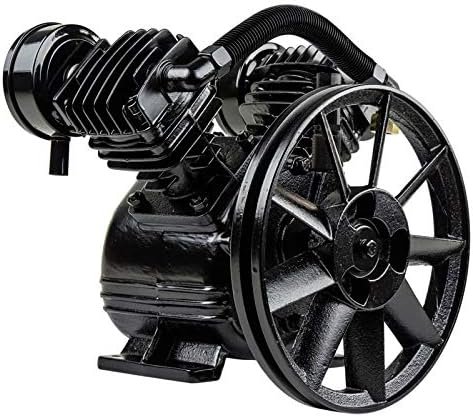

Overview of the 2-3 HP Replacement Air Compressor Pump Single Stage 2-Cylinder 7 CFM Compressor Source CS2065A
We want to give a clear summary of what this pump delivers and where it fits into our toolbox. This single stage, two-cylinder cast iron pump is designed as a replacement for compressors typically under 40 gallons and promises durable, straightforward operation for 2–3 HP motor setups.
Product at a glance
We appreciate products that state their core specifications up front, and this unit does exactly that. The 2-3 HP Replacement Air Compressor Pump Single Stage 2-Cylinder 7 CFM Compressor Source CS2065A is rated to deliver 7 CFM at 1180 RPM with a maximum 1200 RPM, and it includes features like a sight glass to view oil level and a 267 mm flywheel.
Key Features
We want to highlight the main features that matter when assessing replacement air compressor pumps. The key features of this pump are its two-cylinder cast iron construction, single stage design, 7 CFM output at 1180 RPM, sight glass for oil level checking, and compatibility with common motor voltages and horsepower.
Two-cylinder cast iron design
We value cast iron because it offers robustness and heat dissipation compared with lighter materials. The two-cylinder layout balances airflow and torque, making the pump suitable for continuous light-to-moderate duty typical in smaller workshop setups.
Single stage compression
We find single stage pumps simpler and more affordable to maintain for most hobbyist and light professional tasks. The single stage design keeps the pump compact and efficient for operating pressures typical of shop air systems up to around 125 PSI.
7 CFM at 1180 RPM performance
We are interested in CFM because it tells us how much usable air the pump will provide over time. This model’s 7 CFM rating at a typical operating speed of 1180 RPM makes it a good match for air tools like impact wrenches, brad nailers, and spray guns used intermittently or in light continuous use.
Motor compatibility: 110V and 220V support
We need pumps that work with commonly available motors so replacements are easy to find. This pump can be driven by either 110 volts or 220 volts motors in the 2–3 HP range, giving us flexibility based on what motor we already own or can source.
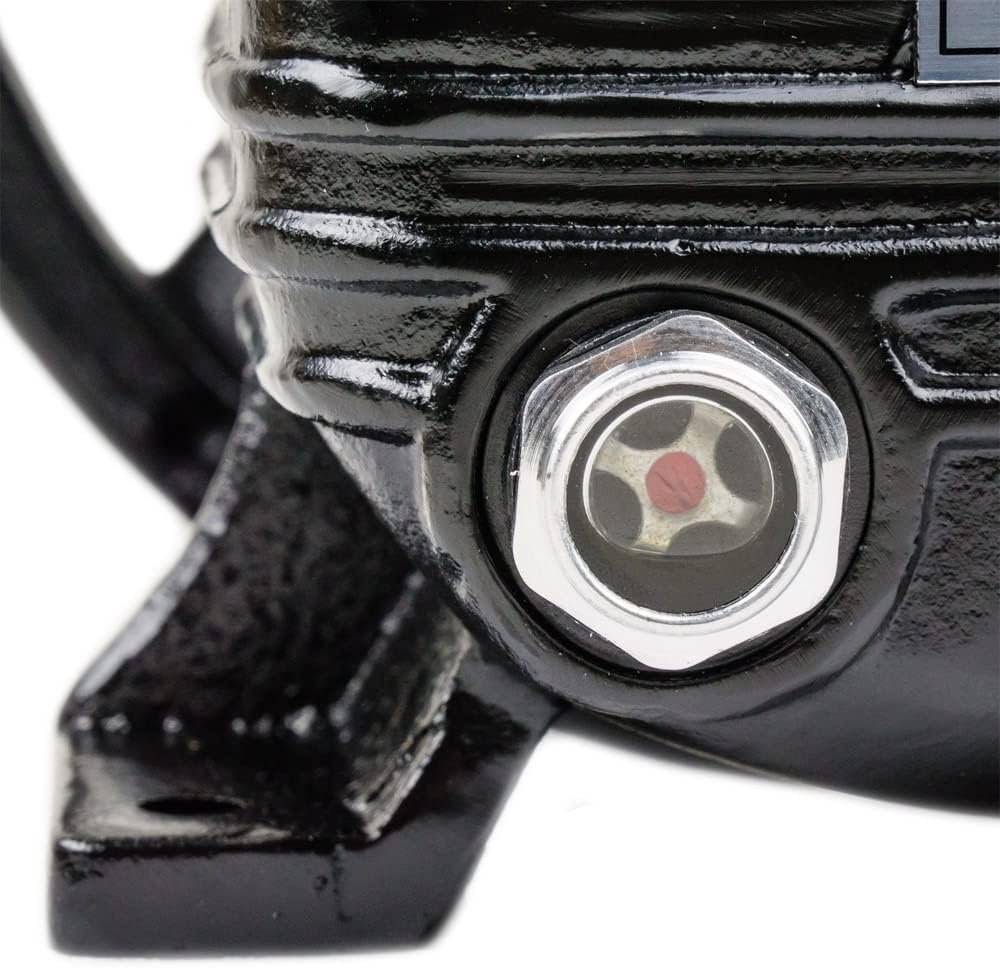
Sight glass oil level indicator
We appreciate designs that make maintenance easier, and the sight glass is a simple but valuable addition. Being able to visually confirm oil level reduces guesswork and helps us avoid under-lubrication that may shorten pump life.
Flywheel dimensions and balance
We pay attention to flywheel size because it affects cooling and rotational stability. The 267 mm flywheel on this unit helps smooth out rotation and assists with cooling air movement across the cylinders while providing inertia to help start loads.
Technical specifications (table)
We find tables useful for comparing specs quickly and verifying fitment. Below is a compact specification table for quick reference.
| Specification | Detail |
|---|---|
| Model | 2-3 HP Replacement Air Compressor Pump Single Stage 2-Cylinder 7 CFM Compressor Source CS2065A |
| Pump Type | Single stage, 2-cylinder |
| Material | Cast iron |
| Rated Horsepower | 2–3 HP |
| Rated Flow | 7 CFM @ 1180 RPM |
| Max RPM | 1200 RPM |
| Flywheel Diameter | 267 mm |
| Typical Tank Suitability | Under 40 gallons |
| Motor Voltage | 110 V or 220 V compatible |
| Oil Sight Glass | Yes |
| Common Applications | Small shop compressors, replacement pump for 2–3 HP motors |
We like having all the core numbers in one place because it speeds up our decision-making and helps confirm compatibility when replacing a pump on an existing tank.
Performance and real-world output
We want to understand not just rated numbers but how the pump performs in practical situations. A 7 CFM rating at 1180 RPM positions this pump for intermittent tool use or steady low-duty cycles rather than continuous heavy industrial operation.
Continuous vs intermittent duty
We prefer to match pump duty to our workload to avoid premature wear. This pump is best suited for light to moderate continuous use; if we intend to run heavy continuous demand air tools for long shifts, a larger two-stage or higher CFM pump would be a better fit.
Pressure and recovery times
We expect reasonable recovery times for small tank setups with a 7 CFM pump. With tanks under 40 gallons, recovery from 90 to 120 PSI will be acceptable for most light shop tasks, and the 1180 RPM operating point offers a balance of flow and longevity.
Compatibility with motors and tanks
We want replacement pumps to align with the motors and tanks we already have in the shop. This pump supports both 110V and 220V motors in the 2–3 HP range and is commonly installed on tanks smaller than 40 gallons.
Motor pulley and RPM matching
We know matching pulley sizes and pulley ratio is crucial to avoid over- or under-speeding the pump. Because the pump is rated at 1180 RPM with a max of 1200 RPM, we should size pulleys to keep the pump within that range at motor full-load speed to protect valves and seals.
Mounting and footprint considerations
We look for straightforward bolt patterns and accessible mounting points to ease installation. The cast iron base and typical mounting layout of this pump usually make it an easy swap for many standard small compressor tanks, but measuring hole spacing and shaft orientation before purchase is recommended.

Installation guide
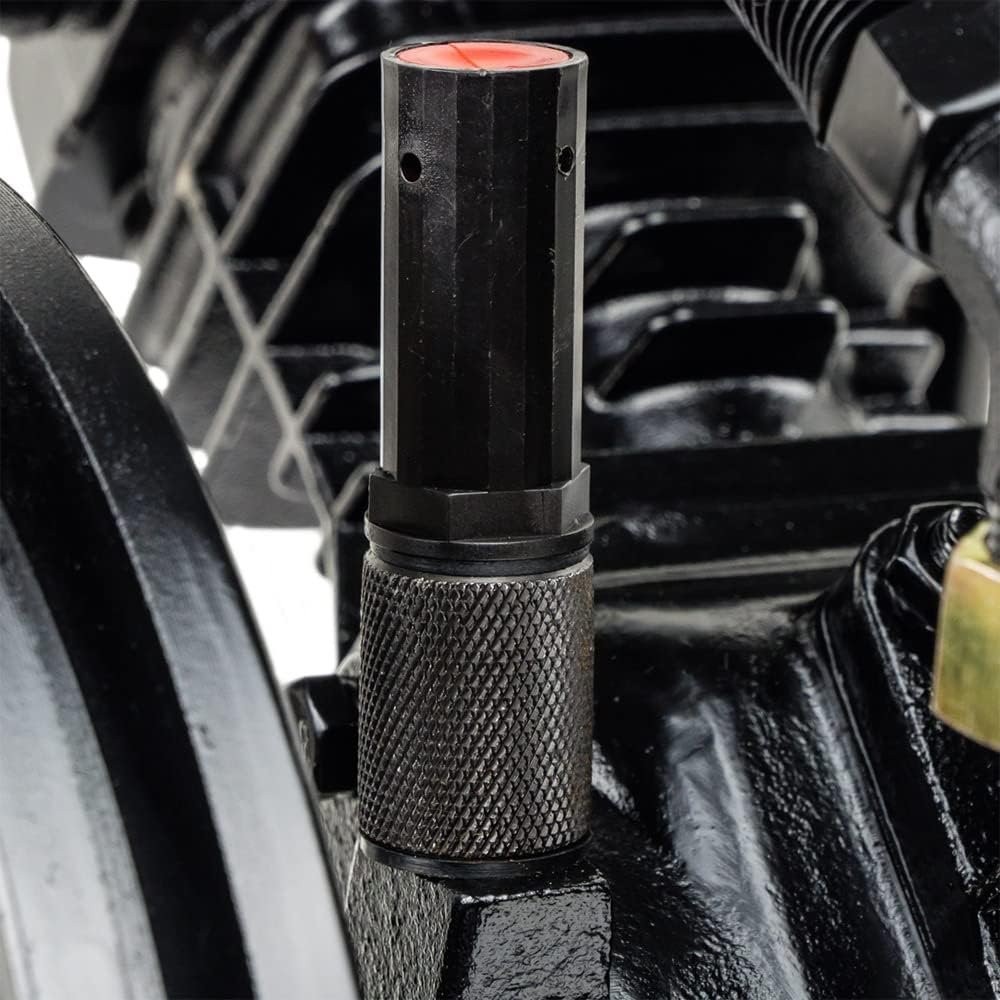
We like to lay out step-by-step installation checks to avoid common mistakes. Installing this pump requires attention to alignment, belt tension, oil fill level, and safe power connections.
Pre-installation checklist
We make a quick pre-check to ensure smooth installation. Confirm motor voltage and HP match, check shaft diameter and keyway, confirm bolt hole spacing, inspect tank inlet/outlet and safety valve compatibility, and ensure we have the right belt size and tensioning hardware.
Step-by-step installation tips
We prefer methodical installation to avoid damaging the pump or motor. First secure the motor and pump to the base so alignment is approximate, fit the pulley and belt while keeping the belt loose, torque mounting bolts properly, set appropriate belt tension to prevent slippage but avoid undue bearing load, fill the pump with the recommended oil to the sight glass level, then rotate by hand to verify free movement before powering up briefly to check direction and leak-free operation.
Lubrication, maintenance, and service intervals
We expect regular maintenance to be straightforward and crucial for pump longevity. The built-in sight glass simplifies oil checks, but we also need to follow a schedule for oil changes, valve inspections, and belt condition checks.
Oil type and level
We often rely on manufacturer guidance for oil type, and for cast iron single stage pumps an appropriate non-detergent compressor oil or equivalent recommended grade is typical. Use the sight glass to maintain the oil at the correct level, checking before each use during the first few days of operation and then according to routine intervals.
Routine maintenance schedule
We like clear intervals that are easy to follow. For this style of pump an initial oil change after the first 50 hours can remove break-in metal particles, followed by oil changes every 200–500 hours depending on use intensity, plus periodic valve plate inspections and belt checks every 100–200 hours.
Noise, vibration, and cooling
We care about noise and vibration because they affect where and how we can locate equipment. The cast iron construction helps damp vibration, and the 267 mm flywheel aids cooling and smoother rotation, but some noise and vibration are intrinsic to two-cylinder pumps.
Expected noise level
We prefer quieter systems for shared workspaces, but single-stage two-cylinder pumps will produce moderate noise under load. Installing the pump on vibration-isolating mounts and ensuring belts are properly tensioned can reduce noise perceived at the mounting surface.
Vibration management
We know that alignment and mounting are key to reducing vibration. Properly aligning motor and pump shafts, using the correct belt tension, and replacing worn mounts or bearings promptly will minimize vibration and associated wear.
Cooling and airflow considerations
We like pumps that handle heat well because overheating is a common failure mode. The flywheel and open fins typically provide forced air cooling across the cylinders; however, adequate ambient airflow and avoiding enclosed spaces will improve reliability and reduce oil degradation.
Enclosure and ambient temperature
We recommend avoiding tight enclosures that trap heat, since elevated ambient temperatures shorten oil life and accelerate wear. If the pump must be enclosed, plan for forced ventilation or cooling ducts to maintain an appropriate temperature range.
Duty cycle and cooling intervals
We appreciate matching duty cycles to cooling capability to extend life. Give the pump periodic rest cycles for heavy intermittent workloads, and consider a larger pump or two-stage unit if continuous high-duty operation is expected.
Use cases and ideal applications
We want to pick the right tool for the job, and this pump fits several common scenarios in small shops and home garages. It’s ideal for replacement on small tank compressors used for air tools, inflation, light painting, and general pneumatic maintenance.
Hobbyist and small-shop use
We often run intermittent air tools and occasional paint jobs in hobby settings. The 7 CFM rate combined with compatibility with standard 2–3 HP motors gives us enough breathing room for tasks like brad nailing, staple guns, and intermittent spray gun use.
Light professional and maintenance environments
We find this pump suitable for light professional shops, mobile technicians, and maintenance closets. For small-scale operations where tools are used in bursts rather than continuous heavy duty, this pump offers a cost-effective, serviceable option.
Tank size and pressure management
We care about tank size because it affects smoothing of air delivery and recovery times. This pump is most commonly used on tanks under 40 gallons, which balances compactness with enough reserve for short tool bursts.
Matching tank size to workload
We advise pairing the 7 CFM pump with tanks in the 10–40 gallon range depending on tool group and duty cycles. Smaller tanks give quicker pressure swings but are fine for high-peak but short-duration use, while a 30–40 gallon tank gives better recovery time and steadier pressure for longer tasks.
Pressure switch and safety valve compatibility
We know pressure control and safety devices must be compatible. Ensure the pressure switch settings align with the pump’s working range and that the safety valve is rated for the expected maximum pressure to maintain safe operation.
Parts availability and common replacements
We want replacement parts to be accessible and affordable. Basic parts like valves, piston rings, gaskets, belts, and the sight glass are commonly available for pumps in this class, and generic components often fit thanks to standard dimensions.
Common wear items
We expect valves, rings, gaskets, and bearings to be the most frequently serviced parts. Keeping a small stock of these wear items can reduce downtime, and the simplicity of the single stage design helps make servicing straightforward.
Finding compatible parts
We prefer sources that cross-reference parts to common compressor models. Using part numbers, pump dimensions, and photos will help match replacements; many aftermarket vendors list compatible valve plates and gasket kits for cast iron two-cylinder pumps.
Troubleshooting common issues
We want to be ready to diagnose and remedy typical pump issues to keep downtime minimal. Common symptoms like loss of pressure, excessive noise, or oil contamination have typical root causes we can check sequentially.
Loss of pressure or low output
We check for leaks in hoses and fittings, worn rings or valves, and proper belt tension. A cylinder that’s not sealing due to worn rings or valve plates will reduce CFM and should be inspected during the next service outage.
Excessive noise or knocking
We look for loose bolts, worn bearings, misalignment, or damaged pulleys if we hear knocking. Tightening mounting bolts, checking bearing play, and verifying belt alignment often resolves these issues before more extensive repairs are needed.
Oil contamination or foaming
We inspect for air/water ingress, improper oil type, or overfilling if the oil appears contaminated or foamy. Correct oil level, changing to the recommended grade, and ensuring tight crankcase seals will typically cure oil foaming problems.
Safety considerations
We prioritize safe installation and operation to protect personnel and equipment. Follow electrical safety practices, securely mount the pump, and ensure proper pressure relief devices are in place.
Electrical and mechanical safety
We ensure power is locked out before servicing and wiring matches motor voltage and phase requirements. Use correct fusing and motor starter protections and never operate the pump with missing guards or an improperly tensioned drive belt.
Pressure safety and relief devices
We always keep safety valves and pressure switches functional and tested. Never exceed recommended tank or pump pressures and replace safety devices immediately if they fail inspection.
Pros and cons
We like balanced assessments so we can weigh purchase decisions. This pump offers cast iron durability, a useful CFM rating for small shops, and easy oil level checking, while its single stage design and 7 CFM output limit it to light-to-moderate duty compared with larger, two-stage pumps.
Pros
- Durable cast iron two-cylinder construction for longevity.
- 7 CFM at 1180 RPM fits many small-shop needs.
- Sight glass simplifies oil checks and routine maintenance.
- Compatible with common 2–3 HP motors in 110V or 220V.
- 267 mm flywheel aids in cooling and smoother operation.
Cons
- Not intended for heavy continuous industrial use or high-flow demands.
- Requires correct pulley sizing to keep RPM within safe limits.
- Some noise and vibration expected compared to larger, more isolated pumps.
- Parts compatibility verification may be needed for less common tank/motor configurations.
Comparisons with other pump types
We find comparison helpful when choosing a replacement. The CS2065A is a strong single stage option for its class, but for higher flow or continuous duty in larger shops, a two-stage pump or a higher CFM single stage would be preferable.
Versus two-stage pumps
We know two-stage pumps provide more compression efficiency at higher pressures and usually higher CFM for heavy duty. For occasional or lighter tasks, the CS2065A’s single stage simplicity, lower cost, and easier maintenance can be more appropriate than the complexity and cost of two-stage units.
Versus higher CFM single-stage pumps
We recognize higher CFM single-stage pumps will recover faster and support more tools simultaneously. If our workload involves sustained use of multiple air tools, it makes sense to step up to a larger single-stage pump, but the CS2065A is often the economical choice for smaller operations.
Buying and sourcing tips
We like to be practical when purchasing replacement parts and pumps. Verify exact pump dimensions, shaft size, mounting bolt pattern, and motor compatibility before purchase to ensure a smooth swap and reduced return hassle.
What to confirm before purchase
We always measure current pump mounting bolt spacing, shaft diameter and keyway, and check that our motor will match the pump’s recommended RPM range. Also confirm the supplied flywheel orientation and belt type if replacements are included or required.
Choosing between new and refurbished
We weigh cost against expected remaining life when choosing new versus refurbished. A new pump provides full life expectancy and warranty, while a refurbished pump may save money but requires confirming a thorough rebuild with replaced wear parts.
Warranty and support
We want assurance that help is available if something goes wrong. Confirm the seller’s warranty terms, return policy, and availability of technical support for parts and installation questions.
Typical warranty expectations
We expect limited warranties on replacement pumps that cover manufacturing defects for a set period. Always check what the warranty covers—some warranties may exclude wear items like valves or rings—so understand the fine print before buying.
Getting support and spare parts
We prioritize vendors that provide clear parts lists and responsive support for troubleshooting. Access to schematics, gasket kits, and valve plates can speed repairs and reduce downtime, so look for sellers who make those resources easy to obtain.
Frequently asked questions (FAQ)
We gather commonly asked questions to reduce guesswork at purchase and during installation. The FAQ here addresses fitment, oil, RPM matching, and expected life.
Will this pump fit my existing compressor tank?
We advise measuring bolt hole spacing, shaft orientation, and clearance to confirm compatibility. Many smaller tanks under 40 gallons use similar pump footprints, but confirming dimensions is essential to avoid returns.
What oil should we use in this pump?
We recommend following manufacturer oil recommendations; generally, non-detergent compressor oil or SAE grade suitable for single stage cast iron pumps is used. Check oil color and level frequently, and perform an initial change after break-in hours.
Can we run a 3 HP motor at 1200 RPM on this pump?
We caution that the pump’s rated maximum is 1200 RPM; running precisely at or just below that limit with correct pulley sizing is important. Using a 3 HP motor is fine if pulley sizes keep the pump at or under the 1200 RPM maximum to avoid over-speed damage.
Final verdict and recommendation
We want to deliver a concise recommendation that summarizes fit and value. The 2-3 HP Replacement Air Compressor Pump Single Stage 2-Cylinder 7 CFM Compressor Source CS2065A is a dependable, well-specified replacement for small shop compressors under 40 gallons, offering useful flow, robust cast iron construction, and straightforward maintenance features like a sight glass.
Who should buy this pump
We recommend this pump for hobbyists, small workshops, light professional users, and anyone replacing an aging single-stage pump on a small to medium tank. It suits intermittent to moderate continuous use where 7 CFM provides sufficient capacity for most pneumatic tool sets.
Who should consider other options
We suggest other options for heavy industrial users, continuous-duty operations, or shops requiring high simultaneous tool usage. In those cases, look to two-stage pumps or higher-CFM single-stage models to meet demand and ensure longevity.
Closing thoughts
We like straightforward, serviceable equipment that gives predictable performance, and this pump fits that description for many small-shop scenarios. By confirming fitment, matching motor RPMs properly, and maintaining oil and valves as recommended, this pump will keep our compressor running efficiently for a long time.

Disclosure: As an Amazon Associate, I earn from qualifying purchases.