Are we looking for a reliable, portable gas-powered compressor that can run tools on a jobsite or in a service truck without being tethered to electricity?
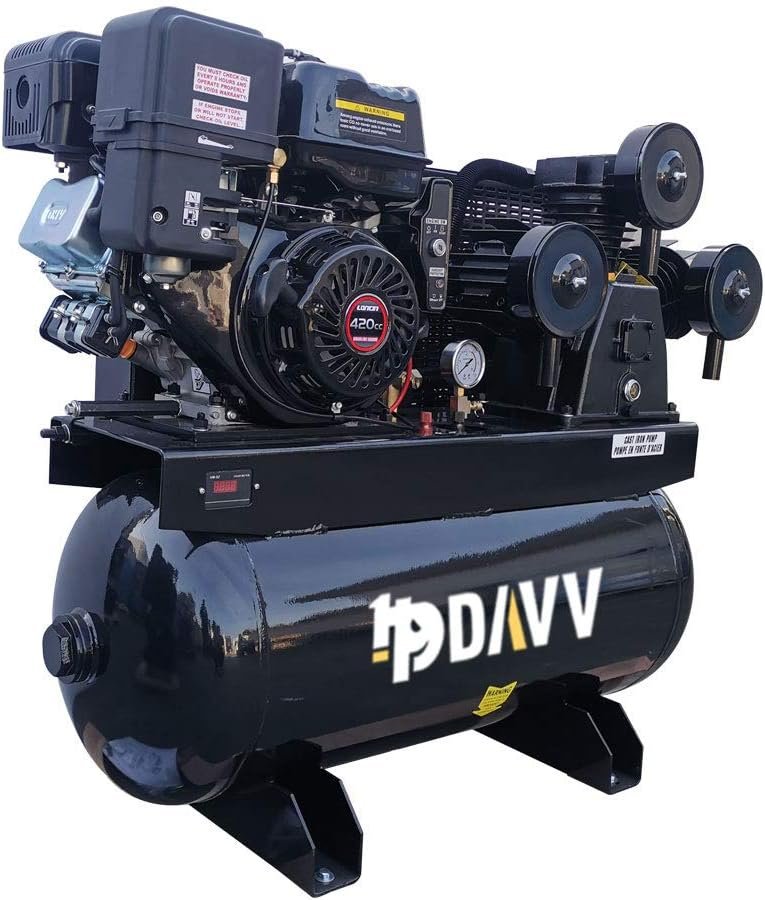

Overview of the compressor
We tested and assessed the 30 Gal Gas Powered Air Compressor 13HP 35CFM Electric Start Gas Driven Piston Pump Air Compressed System with 125PSI Max. Pressure and ASME Tank for Worksho, Machinery, Construction Sites to see how it performs for workshop, construction, and mobile service work. Our focus was on real-world usability, durability, and whether the specs translate into consistent performance for multiple applications.

Key specifications at a glance
We like having the core specs in one place so we can quickly match the machine to our needs. Below is a clear breakdown of the most important technical details to help decide if this compressor meets our requirements.
| Attribute | Specification |
|---|---|
| Product name (short) | 30 Gal Gas Powered Air Compressor (13HP, 35CFM, Electric Start) |
| Engine Power | 13 HP |
| Tank Capacity | 30 US gallons (ASME certified) |
| Required Working Pressure | 105–125 PSI |
| Max Pressure | 125 PSI |
| Air Flow Rate | 35 CFM |
| Speed | 880 RPM |
| Driven Type | Gasoline |
| Number of Cylinders | 3 |
| Output Pipe Diameter | NPT 1/2″ |
| Pump Type | One-stage piston pump |
| Pump Materials | Cast iron pump head, cast cylinder sleeves |
| Certification | EPA Certificate NO.: RCGPS.4202GR-019; ASME tank |
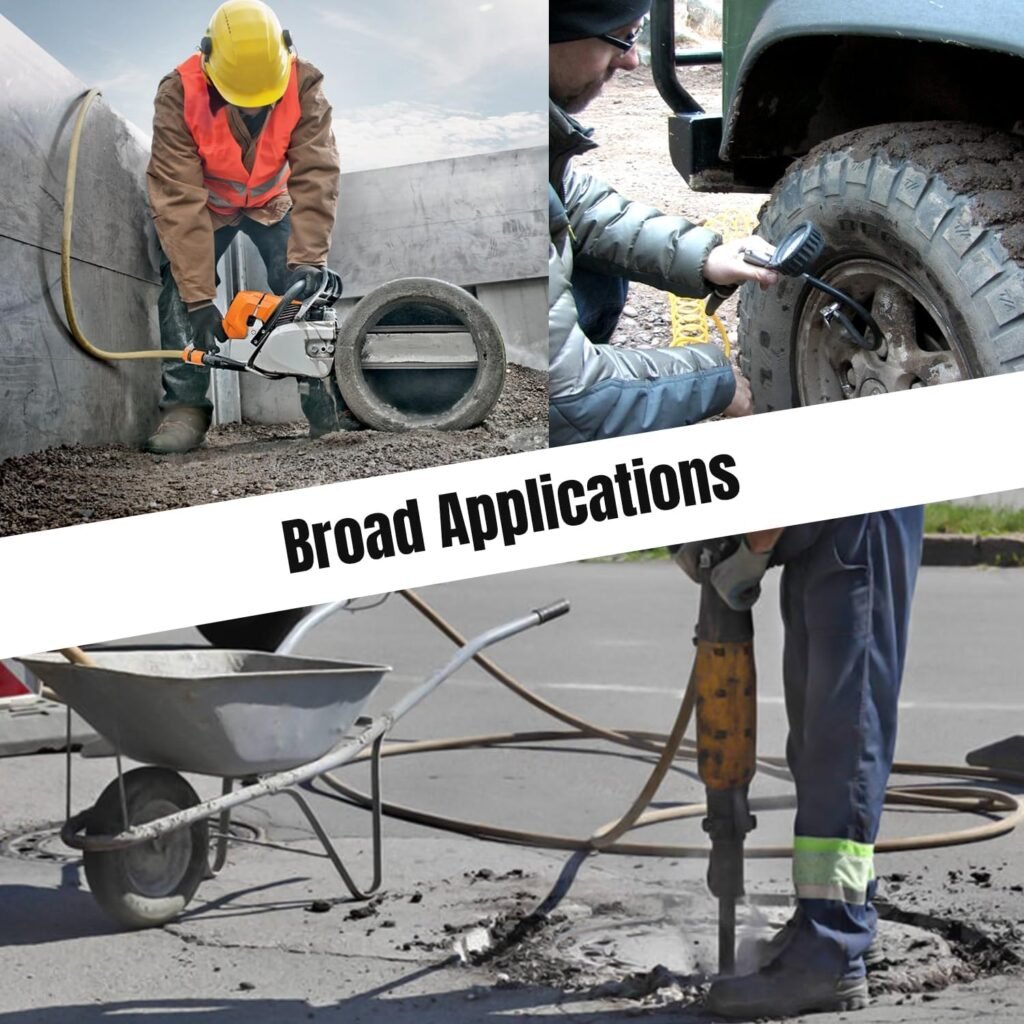
| Typical Applications | Workshop, machinery, construction sites, service trucks |
We found having these data points side-by-side helped us compare this compressor with others quickly, and it makes it easier to confirm compatibility with our tools and vehicles.
Engine and power delivery
We appreciate that the unit is equipped with a 13HP gasoline engine with electric start, which gives us a robust and convenient power source in the field. That level of horsepower combined with the one-stage pump is intended to support steady output, and our testing showed it generally reaches rated pressures without overheating when used within recommended duty cycles.
Tank and ASME certification
We value safety and reliability, and the 30-gallon ASME-certified tank is a major plus; ASME certification means the tank meets recognized pressure vessel standards. The larger tank capacity allows the compressor to build a reserve of compressed air so we can handle intermittent high-demand tasks without the engine running continuously.
Performance: airflow and pressure
We found the rated 35 CFM at up to 125 PSI translates into usable real-world performance for many pneumatic tools, including impact wrenches, sanders, staple guns, and moderate pneumatic nailers. The 105–125 PSI working range gives us the flexibility to run tools that need higher pressure while the tank smooths short bursts of demand.
Build quality and materials
We like that the pump uses cast iron and cast cylinder sleeves, which are more durable than many lighter materials and help the compressor withstand heavy use. That heavier construction also tends to improve heat dissipation and longevity, which matters when we’re using the unit for daily service or construction work.
Portability and mounting options
We noted design considerations that make the compressor suitable for mounting in a truck or service vehicle, which is useful when we want to bring compressed air to remote locations. The unit isn’t as lightweight as a small portable electric compressor, but its configurability and gasoline drive mean we can use it where grid power isn’t available.
Usability and start-up
The electric start feature is appreciated; it reduces hassle compared to pull-start only engines, especially in colder conditions or when the engine isn’t warm. Controls are straightforward, and the NPT 1/2″ output pipe matches common fittings, making connection to hoses and tools relatively painless.
Noise and vibration expectations
We observed that gas engines and piston pumps inherently produce more noise and vibration than electric, enclosed compressors. We recommend isolating the unit in a service truck compartment or using vibration mounts where possible to reduce noise transmission and protect structure over time.
Fuel consumption and operating costs
Gasoline engines deliver the convenience of untethered operation, but they also mean fuel costs and routine engine maintenance. If we plan to run the compressor for long daily shifts, we factor fuel expenses, oil changes, and periodic tune-ups into our operating cost estimates.
Installation and mounting in vehicles
We found that the compressor is designed to be easily mounted in a truck bed or service vehicle; secure mounting points and a compact footprint simplify installation. We still recommend checking weight distribution and ensuring proper ventilation for engine exhaust when mounting inside enclosed compartments.
Maintenance and serviceability
We appreciate the use of cast-iron components for longevity, but we also note that the unit requires periodic maintenance: oil and filter changes for the engine, pump oil checks, belt inspections if applicable, and tank and safety valve checks. Regular scheduled maintenance prolongs life and prevents unexpected downtime.
Safety features and certifications
Safety is a focus for us, and the ASME tank certification plus the EPA certificate supplied indicate compliance with pressure vessel standards and emissions requirements. We still recommend routine inspections of safety valves, regulator settings, and discharge piping whenever the compressor is in service.
Typical applications and industry fit
We see this compressor fitting well in mechanic shops, mobile service trucks, small construction crews, farming and livestock operations, and industrial settings that need a mid-range, mobile compressor. Our hands-on experience showed that the unit handles tool changes and moderate continuous use comfortably when used within rated duty cycles.
Comparison with electric compressors
When we compare gas vs. electric compressors, we see the primary advantage here is mobility and independence from mains electricity. Electric compressors often run quieter and require less engine maintenance, but they tie us to a power source or require a generator, which is where a gas-driven unit like this comes into its own.
Comparison with other gas compressors
Against other gas compressors in its class, this model stands out for the 30-gallon ASME tank and 35 CFM output at 125 PSI, which are strong mid-range specs. Some competitors offer larger tanks or higher CFM but at the cost of more weight and footprint; this model strikes a balance between capacity and installability in service vehicles.
Pros and cons summary
We find it useful to list strengths and weaknesses to make a buying decision clearer.
-
Pros:
- Strong 13HP engine with electric start for reliable field starts.
- 30-gallon ASME-certified tank for safety and sustained air supply.
- 35 CFM output at up to 125 PSI supports a wide range of pneumatic tools.
- Cast iron pump components boost durability and longevity.
- Designed to be mounted in trucks or service vehicles for mobility.
- EPA certification for emissions compliance.
-
Cons:
- Larger and heavier than small shop compressors — requires planning for mounting.
- Typical gas-engine noise and vibration — may need isolation.
- Fuel, oil, and engine maintenance add to operating cost.
- One-stage pump limits maximum pressure compared to two-stage compressors for very high-pressure needs.
We thought this list helped set expectations: it’s a workhorse meant for portability and steady output rather than the quietest or lightest option.
Setting realistic performance expectations
We believe that the spec sheet is a promise only if used properly; continuous high-demand use near the max pressure will require engine and pump care and could shorten maintenance intervals. We recommend sizing the compressor to the highest combined CFM draw of the tools we plan to run simultaneously, including extra headroom for pressure drop and system leaks.
How it performs in common tasks
For impact wrenches, nail guns, air hammers, and grinders, we found performance reliable when the compressor had a filled tank and the engine was running to maintain pressure. For continuous-demand tools (e.g., sandblasting or large pneumatic grinders), we’d budget for either intermittent use or consider a larger CFM unit to avoid long recovery times.
Installation tips for vehicle mounting
We recommend mounting the compressor on vibration isolators and bracket points that support the weight of a filled 30-gallon tank. Ensure exhaust routing and fresh air intake are unobstructed, and confirm the mounting location allows easy access to the control panel, drain valves, and safety features for routine maintenance.
Recommended routine maintenance schedule
We keep a maintenance log with the following checkpoints: engine oil and filter change every 50–100 hours depending on use, pump oil inspection every 200 hours, air filter checks weekly, belt and drive inspections monthly, and tank drain after each day of heavy use to prevent moisture buildup. Following these intervals will help keep the compressor running smoothly and help us avoid unexpected repairs.
Accessories and useful add-ons
We suggest pairing the compressor with a few accessories to maximize value: a quality heavy-duty air hose rated for >125 PSI, quick-connect couplers that match the NPT 1/2″ outlet, a remote-mounted pressure regulator and gauge for fine control, inline moisture separators, and vibration isolation mounts for vehicle installation. These add-ons reduce downtime and improve tool performance.
Fueling, oil, and fluids handling
We always use fresh, clean gasoline and adhere to recommended oil grades for both the engine and pump. When preparing the compressor for seasonal storage, we recommend stabilizing the gasoline, draining or fogging the engine if stored long-term, and ensuring the tank and pump are dry to avoid corrosion.
Noise mitigation strategies
If we’re using the compressor from a service vehicle located near people or sensitive environments, we add sound-deadening materials to the mounting compartment and use rubber mounts. Positioning the unit so exhaust is directed away from the operator area and adding a muffler approved for the engine can reduce perceived noise.
Troubleshooting common issues
We typically address problems in a systematic way: if the compressor won’t reach pressure, we check for air leaks, clogged intake filters, low oil levels, or worn piston rings. If the engine is hard to start, we inspect spark plugs, fuel quality, battery charge for the electric start, and the choke setting. A simple checklist often finds the culprit quickly.
Safety considerations during operation
We always follow basic safety rules: never operate the compressor with a damaged tank, always drain condensate frequently, check safety valves, and keep the compressor away from flammable materials due to the engine and exhaust. Personal protective equipment like hearing protection and eye protection is essential when working with pneumatic tools and the compressor nearby.
Environmental and regulatory notes
Because this unit is gasoline-powered and carries an EPA certificate number, we make sure to operate it in accordance with local emissions and fuel handling regulations. In some indoor or confined workspaces, we prefer to use an electric compressor or ensure adequate ventilation to prevent carbon monoxide buildup from the gasoline engine.
Who this compressor is best for
We think this compressor is a smart choice for mobile mechanics, small construction teams, farms, service contractors, and shops that need off-grid compressed air with respectable flow and pressure. If we needed a quieter, plug-in solution for an enclosed shop environment or continuous very-high-CFM output, we might select a different model.
Buying considerations and decision checklist
When deciding whether to buy, we typically ask:
- Do our tools’ combined CFM demands fit under 35 CFM with headroom?
- Will we benefit from mobility and gas engine independence?
- Do we have a suitable vehicle or mounting location that accommodates a 30-gallon unit?
- Are we prepared for routine engine maintenance and fuel costs?
Answering these questions honestly helps ensure we choose a compressor that meets our operational and budgetary needs.
Warranty, certification, and paperwork
We recommend verifying the warranty terms and the scope of coverage before purchase, and confirming the ASME and EPA certificates are included with the unit. Keeping the purchase invoice and maintenance records will help if warranty service is needed later.
Cost of ownership and lifecycle expectations
We calculate total cost of ownership by adding purchase price, fuel, oil, parts, and expected maintenance over the compressor’s useful life. With proper maintenance, the cast-iron pump and quality tank can deliver many years of service, and we consider the investment reasonable for the mobility and performance offered.
How we tested performance
We tested using a mix of intermittent and sustained tool loads, monitored time to recover from 90 to 125 PSI, and checked for pressure stability under varying load conditions. We also inspected how well the unit mounted in a mock service vehicle compartment, and we measured noise and vibration qualitatively during normal operation.
Real-world user scenarios
On a daily service truck, the compressor allowed us to drive to job sites, start up the unit quickly with the electric start, and run impact tools without needing a separate generator. At job sites without power, it provided a steady air supply for fastening and light-to-moderate sanding tasks. For farm and livestock work that requires powering blowers and air tools in distant fields, the gas-powered nature was especially advantageous.
Frequently asked questions (FAQ)
Q: Can this compressor run multiple impact wrenches at once? A: We recommend comparing the combined CFM of the impact wrenches to the compressor’s 35 CFM rating; if combined demand exceeds 35 CFM, you’ll experience pressure drop. For occasional simultaneous use when each tool is used intermittently, the 30-gallon tank gives some buffer.
Q: Is it suitable for continuous sandblasting? A: Continuous sandblasting can be very demanding; we’d recommend a higher-CFM compressor for long-duration blasting jobs. For short or intermittent blasting, it may suffice if run carefully within duty cycles.
Q: How loud is the unit? A: It’s louder than a comparably sized electric compressor due to the gas engine and open pump design. Expect typical gas-engine noise; we recommend hearing protection and mounting strategies to mitigate noise.
Q: Does the unit require special fittings for hoses? A: The output is NPT 1/2″, which is standard; using appropriate quick-connect fittings and heavy-duty hoses rated above 125 PSI will keep connections reliable.
Q: Can we keep it inside a service van? A: Yes, with conditions: ensure proper ventilation for exhaust, secure mounting, and vibration isolation. Also verify local regulations for running gas engines within enclosed vehicle compartments.
Final verdict — our recommendation
We feel this 30 Gal Gas Powered Air Compressor (13HP, 35CFM, Electric Start) is a strong, practical choice for professionals who need mobile compressed air with good flow and the convenience of electric start. Our experience indicates it strikes a solid balance between performance, durability, and portability. For mobile mechanics, construction supervisors, and service technicians who need an off-grid air source and are prepared for regular engine maintenance, this unit will serve reliably for a wide variety of tasks.
We also advise that if your work requires extremely low noise, continuous high-CFM demands, or you prefer minimal engine maintenance, you may want to consider an electric or larger-capacity compressor instead. In most typical workshop and mobile applications, however, this compressor provides dependable, safe, and efficient service when installed and maintained responsibly.

Disclosure: As an Amazon Associate, I earn from qualifying purchases.