? Are we looking for a robust replacement pump that can bring an older compressor back to life or upgrade a mid-sized shop setup without breaking the bank?
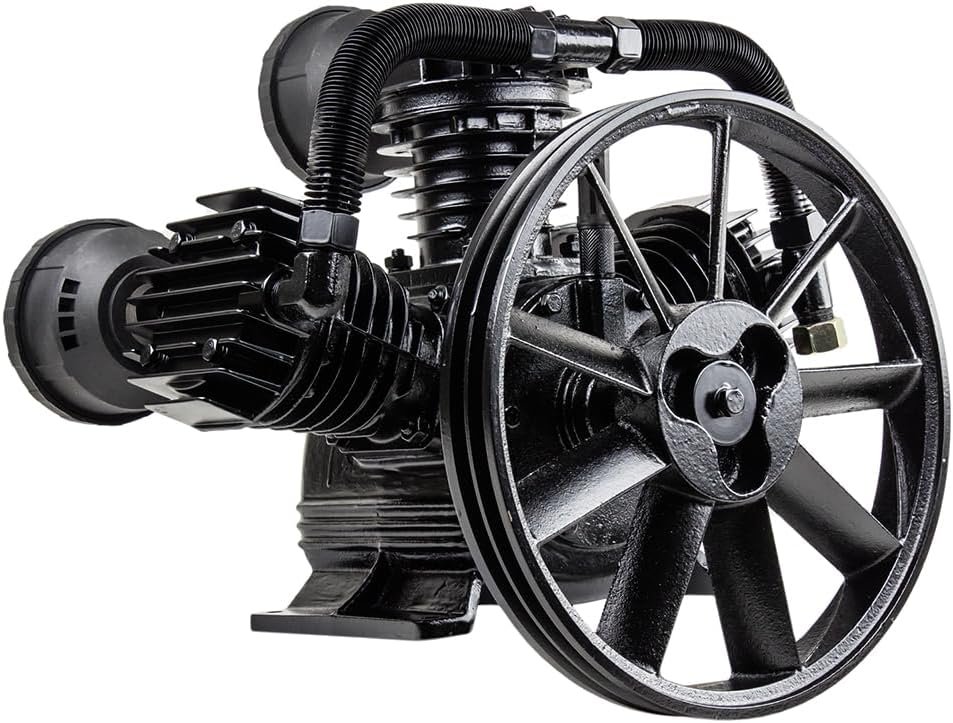

Overview: 5-7.5 HP Replacement Air Compressor Pump Single Stage 3-Cylinder 17 CFM Compressor Source CS3080
We find this pump positioned as a straightforward, heavy-duty replacement for 60–80 gallon compressor tanks. Built as a cast iron, three-cylinder single-stage unit, it aims to combine durability with sufficient airflow for many workshop tasks. From the specifications, it’s intended to pair with 220 V electric motors in the 5–7.5 HP range and deliver nearly 17 CFM at practical crank speeds.
What the product promises
We see the core promise as strong mechanical construction and steady performance for power tools and general shop use. The sight glass for oil level monitoring is a small but practical convenience that helps with routine maintenance and reduces the risk of running the pump with low lubrication.
Key Features — What Stands Out
We like to focus on features that directly affect daily use and longevity.
Three-cylinder cast iron construction
The three-cylinder layout balances airflow delivery and smoother operation compared with single- or twin-cylinder designs. Cast iron bodywork typically improves heat dissipation and resists wear, which is beneficial for long life in a compressed-air pump.
Single-stage design
A single-stage pump compresses air in one stroke, which keeps the design simple and reliable. For most automotive and light industrial tasks, a single-stage 3-cylinder pump provides adequate CFM with fewer potential failure points than multi-stage counterparts.
Performance metrics
The published delivery of 16.94 CFM at 900 RPM gives us a practical performance baseline. With a maximum RPM of 1000, the pump is designed to work well with motors sized 5–7.5 HP at 220 volts, and we note the recommendation that the motor circuit should be at least 20 amps or more at 220 V to ensure sufficient power.
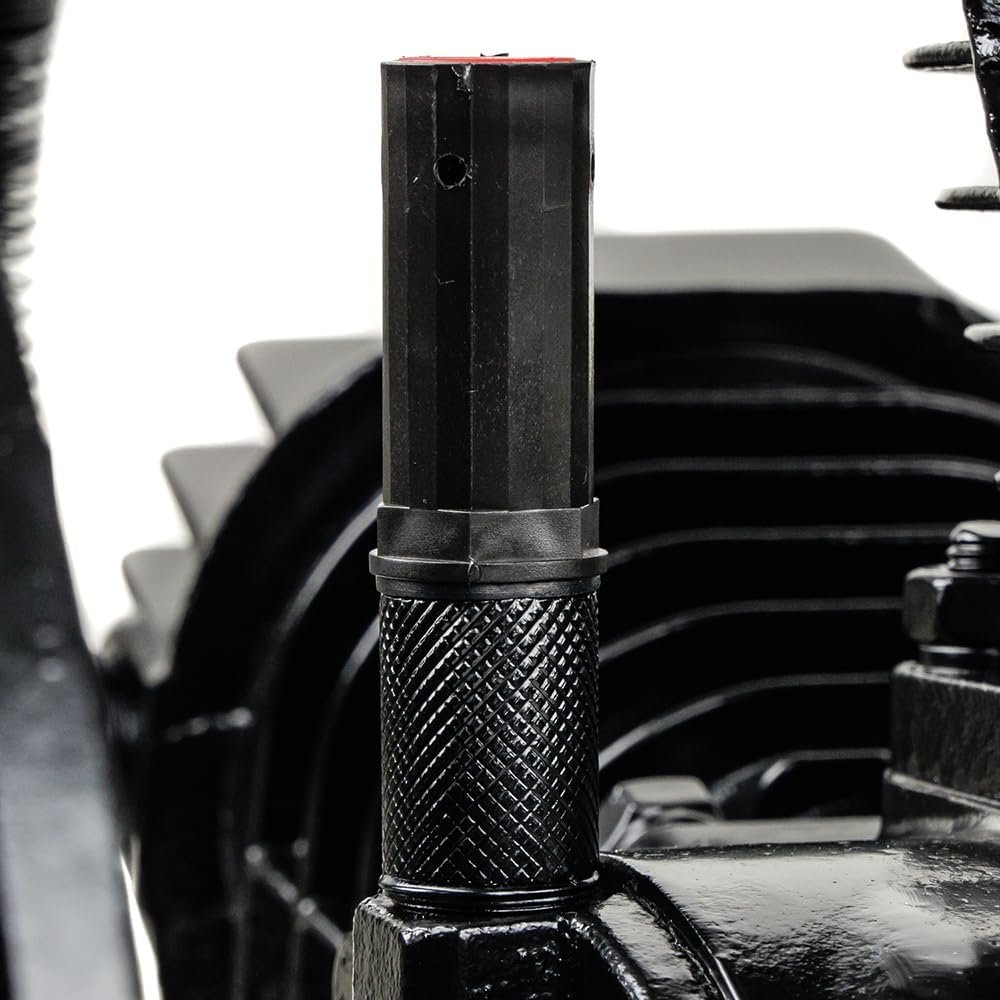
Sight glass for oil level
We appreciate the sight glass because it simplifies oil checks and reduces the chance of missing low-oil conditions that can harm bearings and crank components. It’s a small user-focused feature that pays off in easier maintenance.
Technical Specifications (at a glance)
We find a compact table helpful for quick comparison and decision-making. The values below come from the product details and common compatibility guidance.
| Specification | Value / Recommendation |
|---|---|
| Product Name | 5-7.5 HP Replacement Air Compressor Pump Single Stage 3-Cylinder 17 CFM Compressor Source CS3080 |
| Pump Type | Single-stage, 3-cylinder |
| Material | Cast iron |
| Rated Horsepower (pump) | 5 – 7.5 HP (intended motor range) |
| CFM | 16.94 CFM at 900 RPM |
| Max RPM | 1000 RPM |
| Typical Tank Size | 60 – 80 gallons recommended |
| Voltage | 220 V compatibility with appropriate motor |
| Required Motor Current | 20 A or higher at 220 V for 5–7.5 HP motors |
| Maintenance Feature | Sight glass for oil level |
| Common Applications | Automotive shops, home workshops, small fabrication shops, general compressed-air tasks |
Performance Expectations
We like to interpret the numbers into real-world outcomes so we can decide if the pump suits our needs.
Air delivery in daily use
With nearly 17 CFM available at a realistic pump speed, we expect that this unit can comfortably run one or two pneumatic tools intermittently—such as impact wrenches, air ratchets, and paint guns—while supporting ancillary tools like air blow guns. Continuous-use heavy tools (large sanders or high-demand grinders) may stretch the capacity and cause more frequent duty cycles.
How motor size affects output
We note that the pump is designed to work with 5–7.5 HP electric motors. A motor at the lower end of that range will still drive the pump effectively, but pairing with a 7.5 HP motor can give more headroom and faster tank refill times. Ensuring the motor and starter/circuit breaker are correctly rated (20 amps or higher at 220 V) is essential to achieve published performance.
Pressure and duty cycle considerations
Because it’s a single-stage pump, it will typically reach 125–175 PSI depending on configuration and tank pressure. We should expect normal on/off cycling to refill tanks; the pump is rugged but not optimized for industrial continuous-duty cycles. For light-to-moderate commercial use, the duty cycle is acceptable when sized correctly.

Installation and Compatibility
We find clear installation and compatibility checks help avoid purchase regrets.
Matching to tank and motor
We recommend pairing this pump with 60–80 gallon tanks for optimal performance balance. If the tank is substantially smaller, the pump will cycle more frequently, causing more wear and shorter cool-down periods. If you have a motor already on-site, check that it is a 220 V motor rated between 5 and 7.5 HP and that the motor draws at least 20 amps at 220 V; otherwise, the pump may be motor-limited.
Mounting and alignment
We emphasize squaring the pump to the motor shaft and using a proper keyway and coupling if applicable. Misalignment or poor coupling can create vibration, premature bearing wear, and potential shaft or coupling failure. We recommend using torque-appropriate fasteners and checking pulley alignment if the unit is belt-driven.
Electrical and safety considerations
Because this pump commonly pairs with 220 V motors, it’s crucial for us to verify wiring, breaker sizing, and starter type. A slow-blow or appropriately sized motor protection device helps manage inrush current and protect the motor and pump. We advise consulting an electrician for wiring and ensuring compliance with local electrical codes.
Noise, Vibration, and Workspace Impact
We care about the day-to-day experience of running a compressor pump in a shop environment.
Expected noise levels
Cast iron pumps tend to be louder than fully enclosed or soundproofed units due to exposed moving parts and larger displacement. We should expect moderate to high noise under operation; installing the pump in a dedicated compressor room or using sound-dampening barriers will help if quiet is a priority.
Vibration characteristics
The three-cylinder arrangement generally balances pulsation better than single-cylinder designs, leading to smoother rotation. However, improper mounting or coupling issues can amplify vibration. We recommend anti-vibration mounts or rubber pads and careful alignment to reduce transmitted vibration to the tank and floor.
Maintenance and Serviceability
We appreciate pumps that are easy to maintain because routine care greatly extends life.
Routine maintenance tasks
We will perform regular oil checks, change oil per manufacturer guidelines, inspect valves and gaskets, and ensure the inlet filter is clean. The sight glass makes daily or weekly oil level checks straightforward, and a schedule for oil changes helps prevent sludge and bearing wear.
Repairability and parts availability
Because this is a replacement pump from a common parts supplier, we generally find parts like gaskets, valves, and piston rings relatively available. Cast iron components are durable, and many service shops are familiar with three-cylinder single-stage designs, which simplifies repairs and parts replacement.
Lifespan expectations
With proper maintenance—regular oil checks/changes, correct motor sizing, and avoiding excessive cycling—we expect the pump to serve many years. The robustness of cast iron construction and simple single-stage mechanics typically leads to long service life in light-to-moderate use cases.
Common Issues and Troubleshooting
We find it helpful to anticipate problems so we can address them quickly.
Low airflow or slow tank recovery
Possible causes include worn rings or valves, incorrect motor RPM, inadequate motor power, and leakage in the plumbing or tank connections. We recommend confirming motor full speed and amperage, then checking for air leaks and valve integrity.
Excessive oil consumption or contamination
Overfilled oil, worn seals, or improper oil grade can cause oil carryover. We recommend using the correct compressor oil, observing the sight glass level, and changing oil at recommended intervals. If oil is present in discharge air, we should inspect piston rings and valve seals for wear.
Overheating or motor overload
If the motor trips or overheats, the motor may be underpowered, miswired, or the pump may be restricting rotation due to internal friction or blockages. We advise checking motor amperage draw under load and ensuring the starter and breaker are properly sized.
Unusual noises
Rattling, clanking, or knocking can indicate loose bolts, misalignment, worn bearings, or piston slap. We suggest stopping the pump and inspecting mounting, couplings, and internal components where possible.
Pros and Cons — Balanced View
We aim to give an unbiased list of strengths and weaknesses to help with purchase decisions.
Pros
- Solid cast iron construction provides durability and heat dissipation.
- Three-cylinder layout smooths airflow and reduces pulsation.
- Practical CFM (16.94 at 900 RPM) suits many workshop needs.
- Sight glass simplifies oil checks and routine maintenance.
- Compatible with standard 220 V, 5–7.5 HP motors commonly available.
Cons
- Single-stage design may not meet high-demand continuous industrial needs.
- Likely louder than enclosed or specialized low-noise units.
- Requires correct motor sizing and electrical setup; not a complete motor-pump package in some listings.
- Frequent cycling on smaller tanks can shorten pump life if not matched to tank capacity.
Comparison with Similar Pumps
We like to benchmark against common alternatives so we can pick the best option for our shop.
Comparable single-stage 2-3 cylinder units
Compared with smaller two-cylinder or single-cylinder pumps, the three-cylinder CS3080 typically offers smoother delivery and somewhat higher net CFM. Compared with larger multi-stage pumps, it’s simpler and more economical but won’t reach higher pressures or the same thermal efficiency at high pressures.
Single-stage vs. multi-stage in practice
For vehicle service bays, small fabrication shops, and paint booths on modest schedules, a single-stage three-cylinder pump is often sufficient and easier to maintain. For higher-pressure applications requiring 200+ PSI sustained or heavy continuous duty, a multi-stage design may be more appropriate.
Practical Use Cases We Recommend
We prefer concrete scenarios to guide decisions.
Automotive and small repair shops
For tire service, impact gun work, and periodic spray painting, we find the CS3080 to hit a sweet spot between cost and capability. Paired with a 60–80 gallon tank, it provides a comfortable buffer for intermittent tool use.
Home workshops and hobbyists
For homeowners with significant pneumatic tool needs—like serious woodworking, auto-maintenance, or shop upgrades—this pump provides professional-level airflow without stepping up to industrial multi-stage complexity.
Light production and fabrication
In small fabrication environments where operations are intermittent rather than continuous, the pump will perform well. For continuous production lines, we would assess duty cycle and consider adding tank capacity or a larger motor to reduce cycling.
Installation Tips and Best Practices
We want the setup to be safe, efficient, and long-lived.
Pre-install checks
We always check pump model compatibility with the motor’s shaft size, RPM rating, and key/keyway. Verify the tank’s mounting pattern and alignment points, and confirm the threads and port sizes for piping.
Proper mounting and alignment
Use shims or adjustable mounts to achieve good belt pairing if belt-driven, and torque fasteners to spec. Align pulleys with a straight edge or laser alignment tool, and tension belts to the manufacturer’s recommended deflection range.
Electrical hookups and protection
We recommend a motor starter sized for the motor’s locked-rotor current and a fused disconnect for safety. Grounding and proper overcurrent protection are essential to prevent electrical hazards.
Cost of Ownership and Value Assessment
We like to look beyond the sticker price to overall cost-effectiveness.
Initial investment vs. long-term service costs
The initial purchase price for the pump is typically lower than a complete packaged compressor. We need to add motor cost, installation parts, and any labor if we’re not DIYing the mount and wiring. Over time, cast iron durability and straightforward maintenance typically lower total cost of ownership compared to cheaper, less serviceable designs.
Spare parts and maintenance budget
We recommend budgeting for periodic oil, filters, and eventual valve or ring service. Availability of common parts can reduce downtime and cost, and because the pump is a common replacement unit, parts tend to be reasonably priced.
Frequently Asked Questions (FAQs)
We answer common practical questions we hear when people consider this pump.
Q: Will this pump work with a 5 HP motor?
A: Yes, the pump is designed for a motor in the 5–7.5 HP range. A 5 HP motor will operate the pump, though a 7.5 HP motor can shorten refill times and reduce duty cycle stress in high-demand scenarios.
Q: What size tank should we pair with this pump?
A: The most common pairing is 60–80 gallon tanks. Larger tanks reduce cycling and heat buildup, which can extend pump life and improve tool availability during peak demand.
Q: Is the sight glass reliable for oil level checks?
A: The sight glass is a practical feature that gives quick visual oil checks. It’s reliable for everyday monitoring, though we still recommend routine oil changes and occasional oil sampling for thorough maintenance.
Q: Can we mount this on an existing tank?
A: Generally yes, as long as the tank’s flange, hole pattern, and plate thickness match the pump’s mounting pattern and the tank is rated for the expected pressures. Inspect the tank’s structural integrity and consult a professional if unsure.
Q: Is this pump noisy?
A: It’s likely louder than enclosed package compressors. If quiet operation is important, consider installing a noise enclosure or selecting a sound-dampened package.
Troubleshooting Quick Guide
We like simple steps to resolve common problems efficiently.
- Low CFM: Check motor RPM and amperage, inspect for air leaks, test valves and piston rings.
- Excessive oil in air: Verify oil level, change oil, inspect piston and ring condition.
- Overheating motor: Confirm proper voltage and amperage, check for mechanical binding, and ensure ventilation.
- Unusual sounds: Stop pump, inspect mounts, couplings, and bearings.
Final Recommendation
We find this pump to be a solid replacement option for people who own or are upgrading 60–80 gallon compressor tanks and need a reliable single-stage, three-cylinder solution. Its cast iron build, practical CFM rating, and sight glass for easy oil monitoring make it an appealing choice for automotive, hobbyist, and light commercial users. If our needs include continuous heavy industrial workloads or ultra-quiet operation, we would evaluate multi-stage pumps or sound-insulated packages; otherwise, the CS3080 is a cost-effective and serviceable option when paired with the proper motor and installation practices.
Closing Notes and Buying Checklist
We like to leave a succinct checklist to help finalize the decision.
- Verify motor is 220 V and rated between 5–7.5 HP with at least 20 A capacity.
- Pair with a 60–80 gallon tank for optimal cycle balance.
- Prepare for moderate noise and consider a dedicated compressor room if noise is a concern.
- Plan routine maintenance: oil checks via sight glass, scheduled oil changes, and valve inspections.
- Ensure proper mounting, alignment, and electrical protection for long-term reliability.
If we follow these guidelines and check compatibility before purchase, the 5-7.5 HP Replacement Air Compressor Pump Single Stage 3-Cylinder 17 CFM Compressor Source CS3080 is likely to be an effective, durable, and economical choice for our workshop needs.

Disclosure: As an Amazon Associate, I earn from qualifying purchases.