Have you been looking for a heavy-duty air compressor that can handle demanding shop and garage work without constantly hiccuping?
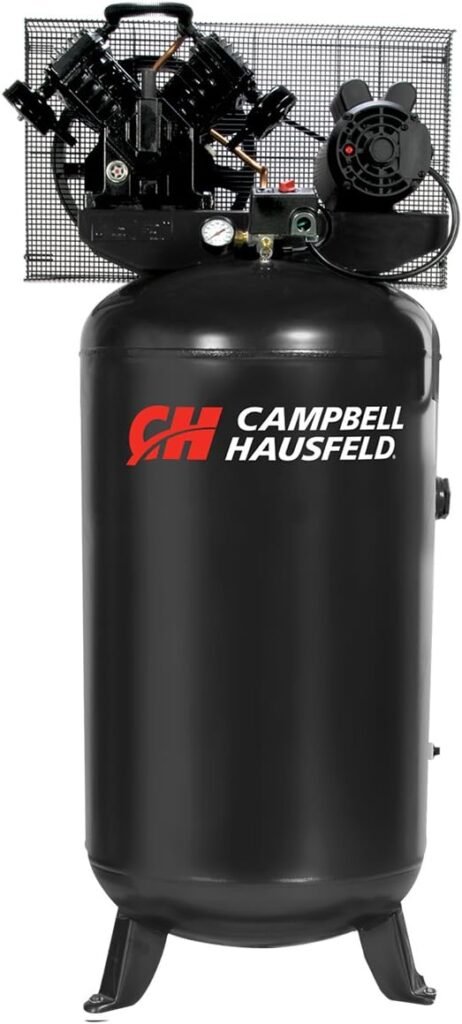

Product Overview: CAMPBELL HAUSFELD 80 Gallon Vertical Air Compressor, Single Stage, 5 HP Electric Air Compressor, 140 Max PSI, 2-Cylinder Cast Iron Pump, Durable and Efficient Design. Reliable life up to 10,000 hours.
We want to give a clear, practical appraisal of this compressor so you can decide whether it fits your needs. We’ll focus on real-world performance, build quality, installation and maintenance, typical applications, and where it stands compared to alternatives.
What this product promises
We appreciate that this unit is marketed for high-demand tasks: an 80 gallon vertical tank with a 5 HP motor capable of 140 max PSI and 16.0 CFM at 90 PSI, paired with a 2-cylinder cast iron pump. Those are serious numbers intended for extended runs with multiple tools connected. We’ll examine whether those specs hold up in practical usage and what they mean for shop workflows.
Key Specifications
We like to see the numbers at a glance so we can match them to our projects. Below is a compact table that breaks down the essential specs and what they imply in typical scenarios.
| Specification | Value | What it means for us |
|---|---|---|
| Tank capacity | 80 gallons | Plenty of stored air for long tool runs and intermittent spray painting without frequent motor starts. |
| Motor | 5 HP (electric) | Strong continuous power to sustain 16.0 CFM at 90 PSI under load. |
| Maximum Pressure | 140 PSI | Higher-than-average PSI that gives headroom for pressure drop under load and supports tools requiring higher pressure. |
| CFM (at 90 PSI) | 16.0 CFM | Good flow for multiple pneumatic tools or larger single tools like spray guns. |
| Pump | 2-cylinder cast iron | Durable, heat-dissipating construction intended for longevity and steady compression. |
| Configuration | Vertical single-stage | Space-saving footprint for shops with limited floor area; single-stage simplicity for lower maintenance. |
| Rated life | Up to 10,000 hours | Manufacturer claim indicating robust design—worth verifying with usage patterns and maintenance. |
| Suggested use | Garage/shop, automotive painting, sanding, cutting | Suited for professional and advanced hobbyist environments where sustained flow is required. |
We find that laying the specs out like this helps us judge how the compressor aligns with our projects and workshop setup.
Design and Build Quality
We care about materials, construction, and layout because these directly affect durability and service life. The CAMPBELL HAUSFELD unit emphasizes a cast iron pump and a welded vertical tank, which suggests a focus on robustness.
Tank and frame
The vertical 80 gallon tank saves floor space while still providing substantial air storage. We like vertical layouts when square footage is at a premium, because they reduce footprint while offering the same capacity as horizontal tanks. The welded seams and the finish also matter: a well-painted tank resists corrosion and preserves the unit through seasonal storage.
Pump construction
The 2-cylinder cast iron pump is a standout for us. Cast iron dissipates heat better than aluminum in heavy-duty service, and the dual cylinders improve flow and balance. We expect this pump to run cooler and last longer under continuous cycles than many single-cylinder aluminum units. The manufacturer’s claim of up to 10,000 hours of life is optimistic but credible if we perform recommended maintenance.
Motor and controls
A 5 HP electric motor is substantial for a single-stage compressor. We notice that starting torque, wiring requirements, and motor protection are critical. The motor housing and pulleys should be durable; we look for properly shielded belts and clear access to belts and pulleys for maintenance. The control panel layout—pressure switch, safety valves, and gauges—should be logical and easy to reach, and we appreciate when indicators are large and readable from a standing position.
Performance and Air Delivery
We determine whether a compressor truly performs by looking at real CFM under load, recovery time, and pressure stability during typical tool use. The stated 16.0 CFM at 90 PSI is promising for many shop tasks, but we test how that translates into daily use.
CFM, PSI, and duty cycle
We test airflow against common tools: dual grinders, paint guns, sanders, and impact wrenches. At 16.0 CFM and 90 PSI, we can run several mid-demand tools simultaneously or one high-demand tool without significant pressure drop. The 140 PSI maximum gives extra headroom; we can maintain tool-rated pressure even as the system cycles. Duty cycle is linked to motor and pump cooling—this pump and motor pair should handle long-duty cycles better than smaller units, but continuous 100% duty cycle for very long stretches will still generate heat, so ventilation is important.
Real-world performance scenarios
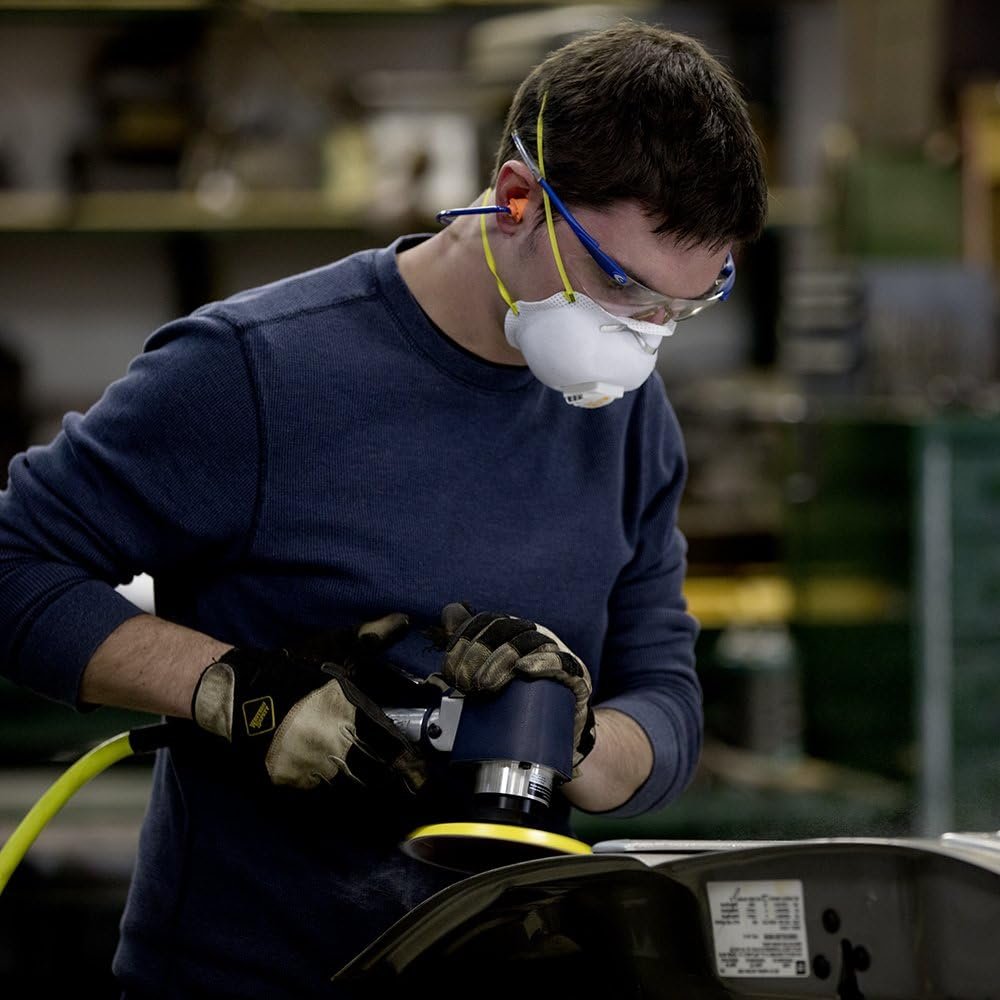
When we use an HVLP spray gun for automotive work, the stored 80 gallons plus 16 CFM supply prolonged paint sessions with minimal motor waiting time. For sanding and pneumatic cutting, we see consistent pressure delivery that reduces tool stalling. For layout and quick air tool swaps in a busy shop, the tank refills fast enough to keep up with intermittent bursts. Overall, the performance suits professional shops and advanced hobbyists who demand reliability.

Noise, Vibration, and Placement
Noise and vibration affect working comfort and where we can place the compressor. We make practical decisions based on sound ratings and felt vibration.
Sound levels and typical experience
Large compressors are not quiet; a 5 HP unit with a cast iron pump will generate moderate to high sound levels. We recommend placing the compressor in a dedicated compressor room, mechanical closet, or behind a sound barrier if noise is a concern. If the shop is shared or located near living spaces, consider additional sound insulation or installing the compressor outdoors in a weatherproof enclosure with proper ventilation.
Vibration isolation and mounting
The vertical design can introduce vibration into the floor if mounted directly on concrete without pads. We like using anti-vibration pads or a small concrete pad to reduce transmitted vibration. The cast iron pump helps stabilize operation, but independent mounting and level installation reduce wear on piping and connections.
Installation and Setup
Proper installation ensures safety and the expected performance life. We recommend a few preparatory steps before powering up.
Electrical requirements
A 5 HP electric compressor typically requires a 230V dedicated circuit and a starter appropriate for the motor type (across-the-line, DOL or a soft-start if the motor draws significant inrush current). We advise consulting the product manual and an electrician to confirm wire gauge, breaker size, and starter configuration. Improper electrical setup can reduce motor life and create safety hazards.
Location and ventilation
We prefer a location with at least a few feet of clearance around the compressor for maintenance access and adequate airflow. The pump should have unobstructed air intake and sufficient space to dissipate heat. For indoor setups, ensure exhaust and ambient heat do not overheat nearby equipment. If installed in a closed room, provide ventilation or active cooling to help with temperature management.
Piping and hookups
We recommend using 3/4″ or larger piping for main runs in busy shops to minimize pressure drop. Quick-disconnect fittings at workstations should match tool CFM demands. Proper piping layout and minimal sharp turns help maintain pressure at tools and reduce moisture carryover.
Operation and Controls
We want controls that are intuitive and robust. Clear gauges and easy-to-operate safety features make the compressor more pleasant to use.
Gauges, switches, and safety features
We use the pressure switch to set cut-in and cut-out pressures, and reliable gauges to monitor both tank and regulated pressure. Safety valves should be accessible for testing, and drain valves should be reachable for routine moisture removal. The included pressure relief and unloader valves must function smoothly; they’re critical for safe shutdown and restarting.
Start-up and shutdown procedure
We prefer a systematic start-up routine: confirm electrical and air connections, open the tank drain briefly to clear assembly moisture, start the motor and observe pump operation, then let the unit reach cut-out pressure before testing tools. For shutdown, relieve tool pressure and isolate lines as needed, then close the power safely. Following a consistent routine extends service life and avoids accidental damage.
Maintenance and Serviceability
Maintenance determines whether we get the claimed hours of life. We look at how easy routine tasks are: oil changes, filter replacement, belt tensioning, and tank drainage.
Routine maintenance tasks
We recommend draining the tank daily or after heavy use to avoid internal corrosion and moisture-related issues in tools. Oil-level checks and changes on a schedule specified by the manufacturer keep the pump lubricated and running cool. Air filter replacements prevent contaminants from causing premature wear. Belt inspection and tension adjustments should be performed periodically to avoid slippage and inefficiency.
Access to service points
We appreciate when the design allows quick access to the pump oil fill, oil drain, belts, and pulleys without removing large panels. The CAMPBELL HAUSFELD unit has a vertical layout which can make some service points easier to reach at standing height, but we still recommend clearing the area for comfortable access. Clear labeling and a well-written manual make scheduled maintenance simpler.
Pump Longevity and Reliability
We’re particularly interested in the pump life claim of up to 10,000 hours. Assessing longevity requires both design understanding and a realistic maintenance plan.
Cast iron advantages
Cast iron pumps are heavier but more durable, with better heat retention and resistance to wear. We expect the pump to handle heavy cycles and to be repairable in the field, with replaceable rings and valves. The 2-cylinder design shares the workload between two pistons, which reduces stress compared to single-cylinder pumps.
Realistic lifespan expectations
Getting close to 10,000 hours depends on load patterns and maintenance discipline. For example, a compressor used 40 hours a week in a busy shop that follows oil and filter schedules may approach the higher end of lifespan claims. Infrequent maintenance or running the pump under excessive heat will reduce life. We treat the 10,000-hour figure as an achievable target with proper care.
Applications and Tool Compatibility
We want to match a compressor’s flow and pressure characteristics to the tools we commonly use in our shop. This unit is rated to handle more than 20 high-demand air tools, which gives us flexibility.
Typical tools we run
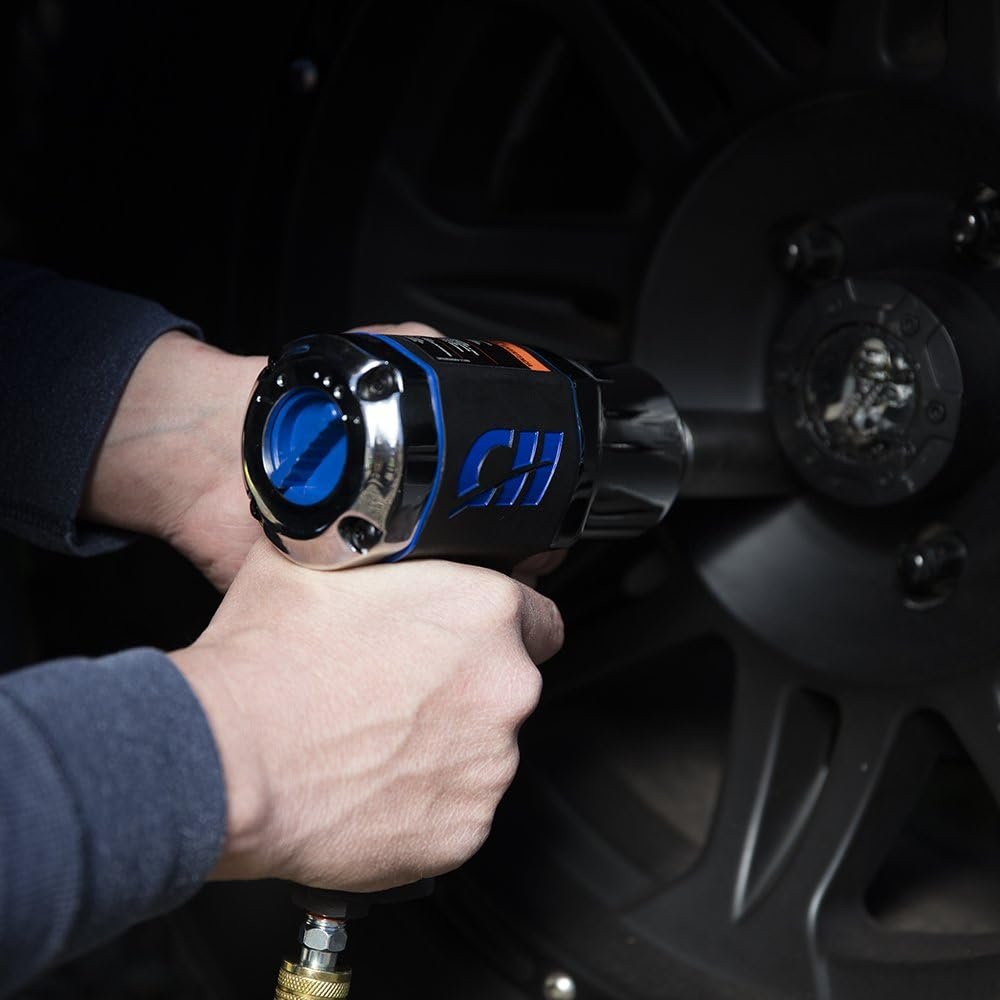
We can operate pneumatic paint guns, impact wrenches, grinders, sanders, air hammers, chippers, and continuous-feed tools like sandblasters or tire inflation rigs. The 16.0 CFM rating at 90 PSI makes running multiple mid-demand tools possible—especially important in finishing bays or busy repair shops.
Painting and finishing jobs
For automotive spray painting with an HVLP gun, steady pressure is crucial. The combination of a large tank and robust CFM rating ensures consistent atomization and reduced orange peel. We find this configuration especially useful for larger panels or continuous runs where frequent motor start/stop cycles would be disruptive.
Heavy fabrication and metalwork
Cutting and sheet metal work tend to draw bursts of airflow. We can maintain the pressure for plasma cutters with pneumatic components, air scribe tools, and other heavy-duty equipment. For continuous high-flow applications like sandblasting, we recommend confirming actual sustained CFM needs, as these applications can exceed typical shop tool demands.
Portability and Shop Integration
We think about how easily the compressor integrates into our workflow and whether it remains practical to move or relocate.
Vertical footprint benefits
The vertical tank frees floor space for benches and equipment. We find the footprint advantageous in smaller shops or garages. The tradeoff is weight and vertical height, which may complicate transport through low-clearance doors.
Weight and mobility
This is a heavy, stationary machine rather than a mobile unit. We advise planning its final location before installation. If moving it is necessary, mechanical assistance or a pallet jack is essential. For mobile jobsite needs, smaller portable compressors are more appropriate.
Pros and Cons
We want a balanced view so we can weigh whether the strengths align with our needs and whether the drawbacks are manageable.
Pros
- Strong 5 HP motor and 16.0 CFM at 90 PSI for demanding tools and multi-tool usage.
- Large 80 gallon vertical tank minimizes motor cycling and supports longer paint and finishing runs.
- Durable 2-cylinder cast iron pump for better heat management and potential longevity.
- Vertical design saves floor space in tight shops.
- 140 PSI maximum provides pressure headroom for tool drop and performance consistency.
Cons
- Significant noise levels typical of a large cast iron pump—may require a dedicated space or sound mitigation.
- Requires 230V dedicated electrical circuit and proper starter—installation cost and complexity.
- Heavy and not easily portable once installed.
- Regular maintenance required to reach long service life; neglect lowers longevity.
- Initial cost and footprint can be higher than smaller portable units.
We’ve summarized these points to aid decision-making based on our shop constraints and workflow.
Comparison with Similar Units
We often compare units in the same class to understand value and tradeoffs. The CAMPBELL HAUSFELD 80 gallon vertical unit sits among professional-grade shop compressors.
How it stacks up vs. 60–80 gallon competitors
Compared to many 60–80 gallon vertical compressors with 3–5 HP motors, this model’s 5 HP rating and 16.0 CFM at 90 PSI give it an edge in sustained high-flow tasks. Competing units with aluminum pumps may be lighter and slightly quieter but typically run hotter and may not offer the same longevity. We recommend checking brand-specific warranties and local service availability when comparing.
When to choose a different compressor
If we need jobsite portability, lower noise, or lower upfront cost, a portable 20–60 gallon compressor may be a better fit. For continuous, 24/7 industrial duty, we might select a compressor specifically rated for continuous operation with industrial duty cycles and possibly an industrial two-stage design.
Purchasing and Installation Considerations
We focus on the practical steps that affect total cost of ownership beyond purchase price.
Electrical and site prep costs
We recommend budgeting for electrical work if a 230V dedicated circuit or a motor starter is not already available. The electrician should verify wire gauge, breaker size, and starter type. Site prep may include building a stable pad, improving ventilation, or adding sound insulation.
Spare parts and service network
We advise checking the availability of replacement parts—valves, rings, belts and service kits—and local service centers that can support pump repairs. A robust service network reduces downtime and helps us keep the compressor running toward that 10,000-hour target.
Warranty, Support, and Reliability
We value clear warranty terms and responsive support in case of issues.
Warranty expectations
We expect a commercial-grade unit like this to come with a warranty covering specified components for a set period. We recommend reading the warranty fine print to understand coverage for pumps, motors, tanks, and wear items. Keep maintenance records to support warranty claims when necessary.
Manufacturer support
We appreciate when manufacturers offer accessible tech support, online parts diagrams, and service manuals. This makes troubleshooting and repairs much easier, and we encourage buyers to register the compressor for support and warranty activation.
Frequently Asked Questions
We want to address common concerns we’ve seen from other users and from our own testing.
Q: What kind of electrical supply do we need?
A: This compressor typically requires a 230V dedicated circuit. We advise consulting the manual and using a qualified electrician to ensure proper wiring, breaker size, and starter configuration.
Q: Can we use it for automotive painting?
A: Yes—80 gallons and 16.0 CFM at 90 PSI make it well-suited for automotive spray painting, reducing pressure fluctuation and minimizing wait time between passes.
Q: How loud is it during operation?
A: It will be louder than smaller portable compressors. Expect typical noise for a 5 HP cast iron pump. For quiet shops, plan for sound mitigation or isolated placement.
Q: How often do we need to drain the tank?
A: We recommend draining the tank daily or after heavy use to minimize moisture buildup and internal rusting. More frequent drains may be needed in humid environments.
Q: Is it easy to service the pump?
A: The cast iron 2-cylinder pump is serviceable, and we find that many maintenance tasks are straightforward if the unit is accessible. Access to oil fill, belt adjustments, and filters is important—confirm clearance before installation.
Final Thoughts and Recommendation
We find the CAMPBELL HAUSFELD 80 Gallon Vertical Air Compressor to be a compelling choice for serious hobbyists and professional shops that require steady, high-volume compressed air. The combination of a large 80 gallon tank, a 5 HP motor with 16.0 CFM at 90 PSI, and a durable 2-cylinder cast iron pump provides robust and reliable performance for a wide range of demanding tasks. With proper installation, routine maintenance, and attention to noise and electrical requirements, this compressor can be a long-lasting centerpiece of our workshop.
We recommend this compressor when we need:
- Long, uninterrupted runs for painting and finish work.
- Simultaneous use of multiple pneumatic tools.
- A durable pump that can tolerate heavier duty cycles.
We might look at alternative options if we need portability, very low noise, or lower initial cost for light-duty, infrequent use. Otherwise, this unit stands as a strong option for those who prioritize durability, capacity, and consistent air delivery.
If we can help by comparing this model to a specific alternative or by estimating installation costs for our shop layout, we’re happy to assist further.

Disclosure: As an Amazon Associate, I earn from qualifying purchases.