Are we choosing the right heavy-duty compressor for our service truck or job site needs?

Product Snapshot
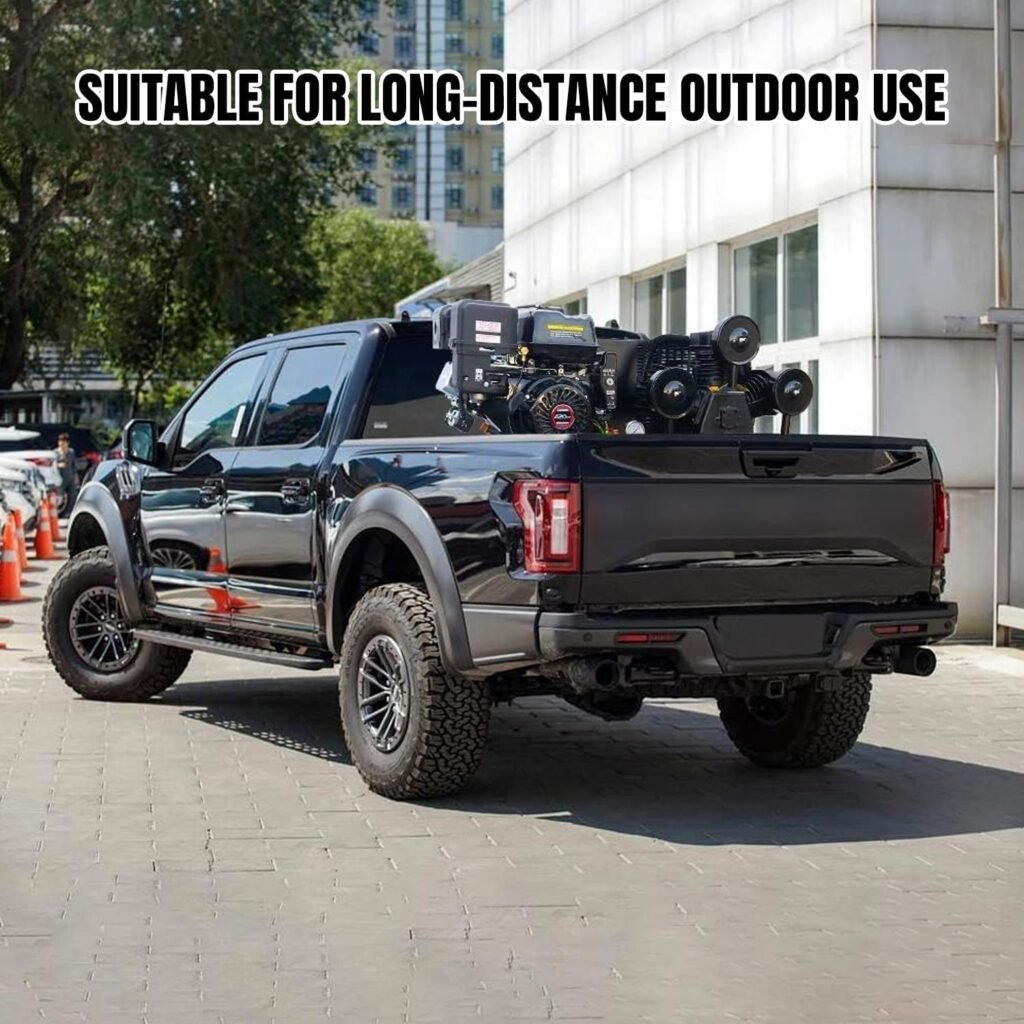
We’ll start by summarizing what the “13HP Gas Powered Air Compressor, 3-Cylinder, 30 Gallon Horizontal Tank, Piston Pump Air Compressed System (125 PSI @ 44 CFM)” brings to the table. This unit is a gas-powered, three-cylinder piston compressor built for mobile and contractor applications, offering a 30-gallon ASME-certified tank, up to 125 PSI, and about 44 CFM of flow. It’s designed to perform under demanding conditions like service truck work, spray foaming, and general construction tasks.
Quick Specs Table
We’ve put together a concise table to make the main specifications easy to scan. This helps us compare and understand the machine at a glance.
| Feature | Specification |
|---|---|
| Model Name | 13HP Gas Powered Air Compressor, 3-Cylinder, 30 Gallon Horizontal Tank, Piston Pump Air Compressed System (125 PSI @ 44 CFM) |
| Engine Power | 13 HP (gas) |
| Pump Configuration | 3-cylinder piston pump, solid cast iron pump |
| Tank Capacity | 30 gallons, ASME certified |
| Max Pressure | 125 PSI |
| Free Air Delivery | Approximately 44 CFM (at rated conditions) |
| Cylinders | High-efficiency cast iron, individual removable cylinders |
| Materials | Cast iron pump, die-cast aluminum connecting rods, finned copper intercooler |
| Cooling | Cast iron flywheel with extended fins, finned copper intercooler |
| Bearings | Industrial-grade bearings, precision-bored crankpin bearing, needle bearing for piston pin |
| Oil System | Extra capacity oil reservoir |
| Typical Uses | Service trucks, contractors, mobile service, spray foaming, construction |
| Notes | Battery & cable not included; ASME certified tank for safety |
What We Like About the Build
We appreciate that the compressor is engineered with service professionals in mind. The solid cast iron pump and cast iron cylinders create a rugged package that resists wear and maintains performance over time. The use of high-efficiency cast iron cylinders keeps tolerances tight and helps reduce interstage temperatures, which benefits both efficiency and longevity.
The flywheel’s large extended fins and the finned copper intercooler are practical touches that boost cooling performance. These components together lower operating temperatures, which helps with valve life and overall reliability. The extra capacity oil reservoir is another thoughtful design choice; it lowers oil temperatures and makes maintenance intervals more forgiving.
Pump and Cylinder Design
We find the pump and cylinder design to be a standout element for applications that require heavy-duty operation. The unit uses a solid cast iron pump that’s built to handle multiple tools and continuous usage often encountered on job sites and service trucks.
Each cylinder is individually removable, which simplifies repairs and maintenance. Lightweight, high-density die-cast aluminum alloy connecting rods reduce reciprocating mass, helping to lower stress on bearings and increase component life. The precision-bored crankpin bearing and needle bearing for the piston pin distribute bearing loads more effectively than simple bushing setups, translating into longer bearing life and smoother operation.
Cast Iron vs. Alternatives
We believe cast iron remains the best choice for heavy-duty compressor pumps due to its durability and thermal stability. While lighter materials can reduce weight, they often compromise longevity under prolonged load. For our use cases—mobile service and contractor work—cast iron balances performance and resilience well.
Engine and Power Delivery
Powered by a 13 HP gas engine, this compressor provides a portable solution that doesn’t rely on onboard electricity. We value that it starts easily and can be used in remote locations where electric power may not be available. The commercial-grade engine is designed to run quietly relative to comparable models, but keep in mind that any gas engine will introduce more noise than an electric unit.
Since the compressor is gas-powered, we should account for fuel availability, routine engine maintenance (spark plugs, filters, oil changes), and the absence of included battery and cable for electric starting—these items may be required depending on our intended setup.
Starting and Running Considerations
We recommend checking whether our job site needs an electric starter or if a manual pull-start is sufficient. The product notes indicate that battery and cable are not included, so we may need to invest in those accessories if easier starting is important for our team.
Performance: PSI, CFM, and Duty
The compressor’s listed maximum is 125 PSI, while delivering up to 44 CFM. For many contractor and spray-foam tasks, a high CFM at usable PSI is the critical metric. We see 44 CFM as robust for powering multiple pneumatic tools or for continuous-demand tasks like spray foaming and operating framing nailers, air hammers, grinders, or impact wrenches (depending on the tool’s CFM requirement).
However, real-world performance varies with altitude, temperature, and duty cycle. We advise testing the unit under typical loads to confirm it meets our expectations. The cooling design—including the intercooler and flywheel fins—helps the unit sustain longer duty cycles without thermal derating.
Matching Tools to CFM
We recommend auditing the tools we plan to run together. If we intend to run several tools simultaneously, we should add their CFM requirements and ensure the compressor delivers enough reserve to avoid pressure drops that can affect tool performance.
Cooling and Thermal Management
Thermal management is a key concern for us when running compressors long-term. This model integrates a finned copper intercooler and a cast iron flywheel with extended fins to increase surface area and heat dissipation. Those design choices help reduce interstage temperatures and improve valve life.
The extra capacity oil reservoir also plays into temperature control, lowering oil temperatures and reducing oxidation and thermal breakdown. For heavy-duty mobile usage, these features add reliability and reduce the frequency of unscheduled downtime.

Tank and Safety Certification
The 30-gallon horizontal tank is ASME certified, which we find important for safety and compliance. ASME certification means the tank meets recognized standards for pressure vessels and typically includes proper testing and construction.
Having a 30-gallon capacity strikes a balance between storage volume and size for mobile applications. It’s large enough to provide a buffer during intermittent high-demand use while still being compact enough for mounting in a service truck or on a trailer.
Why ASME Matters to Us
We think ASME certification is a must for any compressor used in a professional setting. It reduces liability and confirms that the tank was manufactured to reliable standards. For companies that pass safety audits, this certification simplifies compliance.
Noise and Vibration
We’ve noted that the engine is described as running “quietly” for a gas unit, but we should set expectations: gas-powered compressors are inherently louder than electric ones. The large cast iron flywheel and balanced three-cylinder pump help reduce vibration and provide steadier airflow, which reduces mechanical stress and operator fatigue.
If noise level is a sensitive issue at our worksite, we should consider mounting strategies and enclosures that mitigate sound. Rubber mounts, vibration isolators, and thoughtful placement can make a meaningful difference in perceived noise.
Portability and Mounting Options
We like that this compressor is designed for mobile service use. The horizontal 30-gallon tank and robust pump lend themselves well to mounting on service trucks, trailers, or fixed bases at job sites. Because it’s gas-powered, we’re not tied to shore power, which increases flexibility.
That said, the solid cast iron components add weight. We should plan mounting points and secure anchoring carefully to prevent movement during transit. We also recommend confirming clearances for service access so routine maintenance stays straightforward.
Maintenance and Serviceability
Serviceability is one of the strongest points for this design. Individual removable cylinders make accessing internal parts easier and less invasive when repairs or rebuilds are required. The use of industrial-grade bearings and a precision-engineered crankpin bearing indicates a long service life, but we’ll still adhere to maintenance intervals.
Routine tasks we’ll need to perform include checking oil levels, changing oil and filters, inspecting belts and pulleys, monitoring valve health, and ensuring the intercooler is free of debris. The larger oil reservoir reduces thermal stress and can extend intervals between oil changes, but we should not skip maintenance.
Common Maintenance Checklist
We recommend the following recurring checks:
- Daily: Visual inspection for leaks and secure mounting, check oil and fuel levels.
- Weekly: Inspect air filters, belts, and mounting hardware.
- Monthly: Check intercooler fins, drain tank condensate, and inspect valves.
- After set hours (per manual): Change oil, replace filters, check valve clearance, inspect bearings.
Safety Features and Considerations
Safety is paramount with any pressure system. The ASME-certified tank is a large safety feature. We should also ensure pressure relief valves are intact and tested periodically. Regular drain-down of accumulated condensate prevents rust and internal corrosion, which can be a safety hazard.
We also have to follow engine safety protocols: fuel handling, proper ventilation, and avoidance of running the engine in enclosed spaces without adequate exhaust control. Personal protective equipment (PPE) and training for operators remain critical.
Typical Use Cases and Best Fits
We find this compressor ideal for:
- Service trucks and mobile repair units where power must be independent of shore power.
- Contractors needing to run multiple pneumatic tools on site.
- Spray foaming operations that require continuous, high-volume air delivery.
- Construction jobs where portability with a robust CFM output matters.
It’s less ideal for strictly indoor or noise-sensitive environments where quiet electric compressors might be preferable.
Pros and Cons
We’ll summarize the main advantages and disadvantages to help decision-making.
Pros:
- Robust, cast iron pump construction for heavy-duty use.
- Three-cylinder design with high efficiency and better cooling.
- ASME-certified 30-gallon tank for safety.
- High CFM (around 44 CFM) suitable for demanding tasks.
- Integrated copper intercooler and large flywheel fins for thermal control.
- Individual removable cylinders for easier maintenance.
- Extra oil capacity for lower operating temperatures.
Cons:
- Heavier due to cast iron components—requires careful mounting.
- Gas engine operation introduces fuel and engine maintenance tasks.
- Potentially louder than electric compressors; may require sound mitigation.
- Battery and cable not included for electric start options (if desired).
- Real-world CFM may vary with altitude and environmental conditions; testing under load is recommended.

Comparison with Common Alternatives
We’ve compared this unit to typical alternatives to help us understand where it fits.
- Electric Stationary Compressors: These are quieter and often require less routine engine maintenance but lack the portability and independence from shore power. For mobile service trucks, the gas-powered unit is more advantageous.
- Smaller Single- or Two-Cylinder Gas Compressors: These are lighter and cheaper but can struggle with continuous high-demand tasks. Our three-cylinder cast iron unit provides smoother output and better heat management.
- Larger Industrial Compressors: Heavier-duty industrial compressors may provide higher CFM and larger tanks, but they’re bulkier, less portable, and often tied to fixed installations. Our 30-gallon unit strikes a balance for mobile professional use.
Installation and Setup Tips
We recommend the following steps for smooth deployment:
- Choose a sturdy mounting surface with adequate clearance for maintenance and airflow.
- Use anti-vibration mounts or pads to reduce transmission of vibration to the chassis or vehicle.
- Ensure fuel line and fuel tank layout meet safety standards and are shielded from damage.
- Install an appropriate battery and starter wiring if electric start is desired (battery and cable not included).
- Confirm all safety valves and pressure relief devices are installed and functional.
- Run the compressor under no-load conditions first, checking for leaks and abnormal vibrations, then bring it up under incremental loads.
Fuel and Operating Costs
We think it’s important to budget for fuel and regular engine maintenance. Running costs will depend on duty cycle and local fuel prices. Gas engines generally need periodic oil and filter changes, spark plug replacements, and air filter services—these are ongoing costs compared to electric units.
We recommend tracking operating hours to maintain a scheduled maintenance routine; many operators log hours to time oil changes and major service events.
Real-World Performance Expectations
From our perspective, we should see reliable delivery of near-rated CFM under optimal conditions. Expect some variation due to environmental factors, elevation, and the exact load profile. Continuous heavy loads will benefit from the cooling systems built into the unit, but if we frequently push it to maximum for long durations, planning for intermittent cool-down periods or a redundant unit for peak loads is prudent.
Warranty and Support Considerations
We encourage checking the specific warranty terms, service network, and parts availability. For mobile work, local serviceability and ready availability of parts like valves, bearings, and belts can make a big difference in minimizing downtime.
If we plan to use this compressor as part of a fleet, establishing a maintenance agreement or stocking critical spare parts can be a worthwhile investment.
Environmental and Regulatory Notes
Because this is a gas-powered engine, we should be mindful of emissions regulations in certain jurisdictions. Idle and operating restrictions may apply on some sites. We recommend verifying local rules for emissions and noise to ensure compliance.
Additionally, ASME certification on the tank is an important regulatory consideration for pressure vessel safety and periodic inspection requirements.
Who Should Buy This Compressor?
We think this compressor is best for:
- Service technicians and mobile mechanics requiring a robust onboard air supply.
- Contractors who need reliable high-CFM output for pneumatic tool operation.
- Spray foam installers and other continuous-air-demand trades working in remote locations.
- Businesses that value durability and field-serviceability over minimal weight or maximum quietness.
It’s less suited for hobbyists or strictly indoor, noise-sensitive workshop environments where an electric unit would be quieter and simpler.
Troubleshooting Tips
If we encounter common issues, here’s how we’d approach them:
- Low CFM or pressure: Check for air leaks, clogged air filter, worn valves, or slipping belts. Verify the intake and intercooler are clean and unobstructed.
- Overheating: Inspect the intercooler and flywheel fins for clogging and ensure adequate airflow. Verify oil levels and condition.
- Excessive vibration: Tighten mounting bolts, inspect anti-vibration mounts, and ensure the pump and flywheel are properly balanced.
- Hard starting: Check battery connections if using an electric starter (battery not included), inspect spark plugs and fuel supply, and ensure the engine choke and throttle settings are correct.
- Oil contamination: Change oil and inspect for coolant or fuel contamination in the oil; investigate head gasket or carburetor issues if necessary.
Frequently Asked Questions (FAQs)
We’ve compiled answers to questions we would expect to see from buyers.
Q: Is the tank ASME certified? A: Yes, the 30-gallon tank is ASME certified for safety.
Q: Does this model include a battery and cable for electric starting? A: No. Battery and cable are not included, so if we want electric start capability, we’ll need to supply those separately.
Q: How loud is the compressor? A: It’s quieter than some gas units due to design features, but it remains louder than electric compressors. We recommend using noise mitigation if operating in sensitive areas.
Q: Can this unit run multiple tools simultaneously? A: Yes. With approximately 44 CFM output, it is capable of running several tools depending on their combined CFM draw. We should tally tool CFM requirements before running multiple tools.
Q: How important is the finned copper intercooler? A: Very important for thermal performance. It reduces interstage temperatures, improving valve life and sustained duty capabilities.
Q: Is the compressor easy to service in the field? A: Yes. Individual removable cylinders and robust construction make field service and maintenance reasonably straightforward for technicians.
Final Verdict
We find the “13HP Gas Powered Air Compressor, 3-Cylinder, 30 Gallon Horizontal Tank, Piston Pump Air Compressed System (125 PSI @ 44 CFM)” to be an excellent choice for professionals who need a portable, high-capacity air supply. Its cast iron pump, three-cylinder layout, thermal management features, and ASME-certified tank all contribute to a package that’s built for long-term, high-demand use in mobile settings.
We value its serviceability and thoughtful engineering choices like the finned intercooler, large flywheel fins, and improved bearing design. The trade-offs—weight, noise, and engine maintenance—are reasonable given the intended use. For fleets and contractors seeking a durable, field-ready compressor, this model is compelling.
Buying and Setup Checklist
Before we finalize a purchase, we make sure to:
- Verify warranty and parts support.
- Plan for mounting and secure anchoring in our vehicle or trailer.
- Budget for required accessories (battery, cables, fuel management).
- Confirm that the compressor’s CFM meets combined tool demands.
- Prepare a maintenance schedule with logged operating hours.
Closing Notes
We recommend this compressor to professionals who prioritize durability, high airflow, and mobile capability. With proper setup, maintenance, and operation, this unit should deliver reliable performance for years, making it a solid investment for our service operations.

Disclosure: As an Amazon Associate, I earn from qualifying purchases.