? Are we ready to assess whether the NorthStar Air Compressor Pump – 2-Stage, 2-Cylinder, 24.4 CFM at 90 PSI, 175 Max. PSI is the right heavy-duty pump for our workshop?

Product Overview
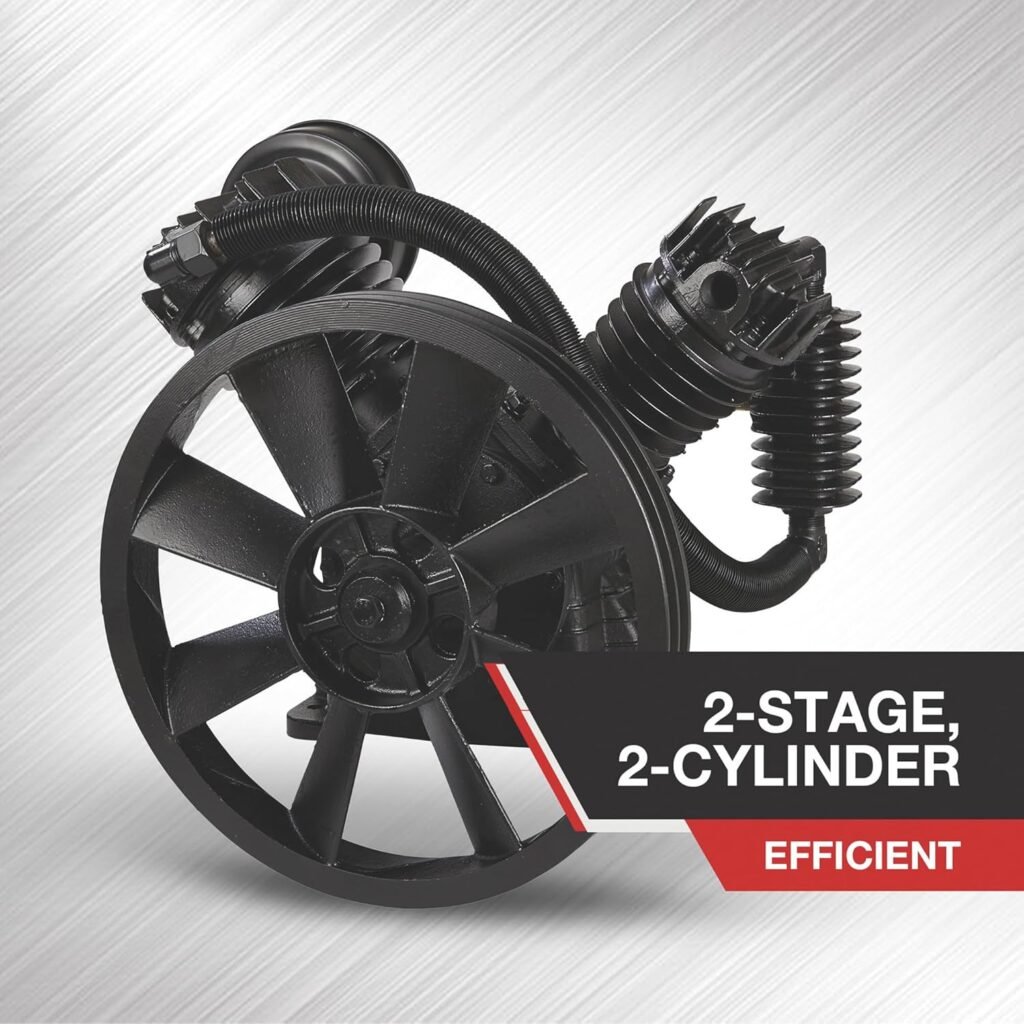
We want to give a clear snapshot of what this pump is and what it promises. The NorthStar Air Compressor Pump is a 2-stage, 2-cylinder unit designed for industrial and serious shop use, rated at 24.4 CFM at 90 PSI with a maximum rated pressure of 175 PSI. Built to last, the pump emphasizes durable materials and cooler operation at slower RPMs.
What the pump is built for
We see this pump targeted at mechanics, fabrication shops, and anyone who needs sustained air delivery for demanding tools. Its two-stage design lets it generate higher pressures while maintaining consistent flow, making it suitable for tools that require steady, higher-PSI delivery.
Key Features
We want to highlight the components and design choices that make this pump distinct. This is where the materials and mechanical attributes stand out: full cast iron construction, V-style cylinders, an FC35 cast iron pump head, floating-type Swedish steel valves, and a design that operates at slower RPM to run cooler and extend life.
Materials and construction
We appreciate that the pump uses full cast iron for the main body and FC35 grade cast iron for the pump head. These materials contribute to long service life by resisting wear and warping under heat. Cast iron also helps dampen vibration and retain structural integrity over heavy use.
Valve and cylinder design
We like that the pump uses floating-type Swedish steel valves, which are known for durability and long valve life. The V-style cylinder design enhances cooling by improving airflow and reducing heat concentration on any single cylinder, which helps the pump run cooler during extended cycles.
Operational characteristics
We note the manufacturer’s emphasis that the pump operates at a slower RPM. Running slower generally translates to less wear from high-speed friction, lower operating temperature, and overall longer life if maintained properly. For high-demand shop environments, these traits can significantly reduce downtime.
Key Specifications (at a glance)
We find it helpful to put the primary specifications in a compact format so we can quickly compare and understand the pump’s capabilities.
| Specification | Detail |
|---|---|
| Product Name | NorthStar Air Compressor Pump – 2-Stage, 2-Cylinder, 24.4 CFM at 90 PSI, 175 Max. PSI |
| Pump Type | 2-Stage, 2-Cylinder |
| Rated CFM | 24.4 CFM at 90 PSI |
| Max Pressure | 175 PSI |
| Pump Material | Full cast iron body; FC35 grade cast iron pump head |
| Valve Type | Floating-type Swedish steel valves |
| Cylinder Design | V-style for improved cooling |
| Operational RPM | Lower operating RPM for cooler running |
| Intended Use | Industrial, commercial, heavy-duty shop applications |
Why these specs matter
We want to emphasize that the 24.4 CFM at 90 PSI rating is robust for many continuous-duty tools. The 175 PSI maximum opens the door to applications requiring higher pressure, and the materials chosen point to longer component life and better heat management.
Installation and Fitment
We believe installation is a practical point that affects how quickly we can get the pump into service. The pump is designed to replace or upgrade similar two-stage compressors, but we must verify compatibility with our tank and drive configurations.
Physical installation considerations
We recommend confirming mounting hole patterns, shaft alignment, and pulley size if we are mating the pump to an existing motor or tank. Because the pump is heavier due to full cast iron construction, we should ensure our mounting surface can support the weight and vibration.
Compatibility with motors and tanks
We advise checking motor RPM compatibility and whether pulley ratios need to be adjusted to maintain the lower RPM advantage. We also suggest confirming that the tank’s safety valve, piping, and fittings are rated to handle up to 175 PSI if we plan to use the pump to reach higher pressures.


Performance and Air Output
We like to focus on how the pump behaves under real-world loads. The 24.4 CFM at 90 PSI rating means it can supply multiple pneumatic tools simultaneously when used correctly.
Continuous delivery and tool compatibility
We find that this pump is well-suited for running impact wrenches, sanders, grinders, and paint equipment in medium-to-large shops. The two-stage design helps maintain flow at higher pressures, which benefits tools that require consistent PSI over extended periods.
Recovery time and tank fill
We observe that with the rated CFM, tank recovery times are competitive for its class. The lower RPM operation helps the pump avoid overheating during frequent starts and stops, though actual recovery will depend on tank capacity and the demands of our specific tools.
Durability and Longevity
We place a lot of value on long-term durability for shop equipment. The materials and valve design here are intended to extend service life and reduce replacement frequency.
Cast iron advantages
We appreciate that full cast iron construction reduces flexing and resists warpage better than lighter materials. That translates to fewer leaks, less vibration fatigue, and a pump that tolerates the rigors of heavy-duty cycles.
Valve life and maintenance intervals
We note that the floating-type Swedish steel valves are a premium choice that typically lasts longer than conventional valves. This can extend intervals between valve maintenance or replacement, cutting downtime and maintenance cost over the pump’s life.
Cooling and Heat Management
We believe heat control is critical to maintaining consistent performance. The V-style cylinder design and slower RPM contribute directly to cooler operation.
V-style cylinders and airflow
We appreciate that the V-style arrangement improves ambient airflow around each cylinder, which helps pull heat away from the compression chambers more effectively. Cooler cylinders mean less oil degradation and lower thermal stress on seals and valves.
Lower RPM operation benefits
We like that running at a lower speed reduces frictional heat and mechanical stress, resulting in a pump that runs cooler and can last longer when properly maintained. Lower RPM also generally leads to quieter operation, which we value in a busy shop.
Maintenance Requirements
We care about how easy the pump is to maintain. Regular oil changes, valve checks, and belt inspections will keep the pump running reliably.
Routine checks and service items
We recommend periodic oil changes (if the model uses a lubricated pump design), checking valve condition, inspecting for cylinder head leaks, and ensuring belts and pulleys are aligned and tensioned correctly. Keeping intake filters clean will also maintain efficiency.
Parts availability and repairability
We expect parts like gaskets, valves, and pistons to be available through NorthStar or aftermarket suppliers. Because the pump is built with standard components and cast iron construction, it generally lends itself to straightforward repair and rebuilds when needed.
Noise and Vibration
We like to consider how the pump impacts our work environment. While cast iron helps damp vibration, compressors inherently produce noise.
Expected noise levels
We find that lower RPM operation tends to reduce noise compared to high-speed pumps, and the heavy cast iron body helps absorb some vibration noise. Nonetheless, absolute noise levels depend on installation, tank size, and whether an acoustic enclosure is used.
Mitigation strategies
We recommend placing the pump on vibration-dampening mounts and, if noise is a concern, adding acoustic enclosures or baffles. Proper alignment and belt tension also help minimize mechanical noise from pulleys and couplings.
Energy Consumption and Efficiency
We think about operating cost and how efficiently the pump converts motor power into usable compressed air. Slower RPM and efficient two-stage compression can improve overall efficiency under load.
Efficiency characteristics
We observe that two-stage pumps typically offer higher volumetric efficiency at pressure because they compress in stages rather than a single stroke. This pump’s slower RPM reduces wasted energy from friction and heat, often translating to more usable air per horsepower consumed.
Matching motor size
We advise choosing a motor that can deliver consistent torque at the desired RPM without overloading. Underspecifying the motor will reduce performance and increase wear; overspecifying will increase upfront cost without proportional gain in performance.
Safety Considerations
We regard safety as non-negotiable. Because the pump can produce up to 175 PSI, we must ensure our system components are rated appropriately.
Pressure ratings and safety devices
We suggest verifying that tanks, piping, hoses, and fittings are rated for or above 175 PSI if we plan to reach that pressure. Installing a reliable pressure relief valve, pressure gauges, and an automatic shutoff is essential for safe operation.
Installation site safety
We recommend installing the pump in a dry, ventilated area away from flammable materials and providing adequate clearance for airflow and maintenance. Grounding and electrical protection must comply with local codes.
Pros and Cons
We like to present a balanced view so we can make informed decisions.
Pros
- Durable full cast iron construction promotes long service life.
- FC35 grade cast iron pump head increases heat resistance and structural integrity.
- V-style cylinder design improves cooling and thermal distribution.
- Floating-type Swedish steel valves extend valve life and reduce maintenance frequency.
- Slower RPM operation reduces heat and wear, potentially increasing longevity.
- 24.4 CFM at 90 PSI is robust for many shop applications, while 175 PSI max opens higher-pressure uses.
Cons
- Heavier weight from cast iron construction requires sturdy mounts and may complicate installation.
- Potentially higher initial cost compared to lightweight or lower-capacity pumps.
- Noise, while reduced by slower RPM, may still require mitigation in occupied workspaces.
- Ensuring compatibility with motors and tanks may take additional planning and parts.

Comparison with Similar Pumps
We find it helpful to compare this pump to other two-stage pumps of similar capacity to see where it stands.
How it stacks up
Compared to lighter aluminum-head or single-stage pumps, the NorthStar model emphasizes longevity and heat management. Against other cast iron two-stage pumps, it competes strongly due to Swedish steel valves and FC35 head material. Where some competitors might offer slightly higher CFM or lower price, this pump offers a balance of material quality and operational design geared toward extended service life.
When we might choose alternatives
We might choose a cheaper or lighter pump for intermittent, low-duty applications or when portability is important. Conversely, for heavy, continuous-duty environments where downtime is costly, we prefer the NorthStar’s more robust construction.
Use Cases and Applications
We want to describe practical scenarios where this pump shines. Its strengths suit a variety of professional contexts.
Ideal environments
We recommend this pump for automotive shops, fabrication shops, industrial maintenance bays, and professional painting operations where steady air delivery, higher pressure, and durability are required. It’s also suitable for shops that run multiple tools simultaneously.
Not ideal for…
We would not choose this pump if we need a portable compressor for mobile service calls or for hobby use where a small, lightweight unit suffices. Its heavier build and higher capacity are overkill for light, occasional tasks.
Buying and Installation Tips
We like to offer practical advice to help get the most from our purchase. Proper selection and setup will maximize the pump’s benefits.
Pre-purchase checklist
- Verify tank and motor compatibility with shaft size, RPM, and mounting pattern.
- Confirm the shop infrastructure (electrical supply, floor mounting) can support the pump.
- Ensure spare parts like valves, gaskets, and belts are accessible for future maintenance.
Installation tips
- Use vibration-dampening mounts and proper alignment tools when mounting to a motor or tank.
- Prime the pump with correct oil before start-up if required and follow manufacturer break-in procedures.
- Check for leaks around head studs, gaskets, and valve plates after initial run-in and retorque as needed.
Maintenance Schedule and Best Practices
We believe a well-planned maintenance routine extends life and reliability. Here’s a typical schedule we recommend.
Daily and weekly
- Check oil level and top off if needed.
- Inspect for obvious air or oil leaks.
- Ensure cooling fins and intake filters are clear of dust and debris.
Monthly and quarterly
- Change oil based on hours of operation and environment conditions.
- Inspect and tighten head bolts to maintain proper head seal.
- Examine valves for wear and check for decreased performance.
Annual or as-needed
- Replace valves if we notice significant performance loss or increased oil temperature.
- Inspect pistons, rings, and cylinders for wear if compression loss occurs.
- Consider a full rebuild every several thousand hours depending on usage intensity.
Troubleshooting Common Issues
We want to help diagnose common problems quickly so we can minimize downtime.
Low CFM or slow recovery
We recommend checking for air leaks, clogged intake filters, worn valves, and incorrect belt tension. Valve wear is a common cause and should be inspected.
Excessive oil carryover
We suggest verifying piston ring condition and checking the oil level. Overfilled crankcases or worn rings can cause oil to be carried into the air stream.
Overheating
We advise confirming adequate ventilation, checking the V-style cylinder fins for blockage, and ensuring motor speed is not excessive. Overheating often ties back to insufficient cooling or blocked airflow.
Frequently Asked Questions (FAQ)
We answer typical queries we hear when choosing a pump like this one.
Is this pump suitable for a paint booth?
Yes, we consider it suitable provided the tank and associated filtration systems (moisture separators, dryer, and particulate filters) are in place. The steady flow and higher pressure capability make it a good match for spray operations.
How often will valves need replacement?
Valve life depends on use, but because the pump uses floating-type Swedish steel valves, we expect longer intervals between valve service compared to standard valves. Under moderate to heavy use, plan to inspect valves annually and replace as needed.
Can we reach 175 PSI safely?
We can reach up to 175 PSI if our tank and system components are rated for that pressure. We stress checking all downstream hardware and installing appropriate safety relief valves.
Accessories and Complementary Gear
We like to pair the pump with accessories that protect it and enhance usability.
Recommended add-ons
- High-quality intake filters and pre-filters to keep contaminants out.
- Moisture separators and refrigerated dryers for painting and sensitive pneumatic tools.
- Vibration-dampening mounts and acoustic enclosures for noise control.
- Pressure regulators and gauges sized for the application.
Spare parts to have on hand
We advise keeping spare valves, gaskets, head bolts, belts, and oil filters to minimize downtime during routine maintenance or unexpected failures.
Final Verdict
We weigh the pros and cons and provide a clear recommendation. Overall, we view the NorthStar Air Compressor Pump – 2-Stage, 2-Cylinder, 24.4 CFM at 90 PSI, 175 Max. PSI as a robust, well-built pump that suits demanding shop environments. Its emphasis on durable materials, superior valve design, improved cooling, and slower RPM operation make it a compelling choice for professionals who prioritize longevity and consistent performance.
Who should buy this
We recommend this pump for professional shops, industrial maintenance departments, and anyone needing sustained, reliable compressed air at moderate to high pressures. If we value reduced downtime and longer valve life over minimal weight or lowest initial cost, this pump is an excellent candidate.
Who should consider alternatives
We suggest looking at lighter, less expensive options if portability or occasional light-duty use is our primary need. For applications where noise and weight must be minimized above all else, an alternative design might be a better fit.
Closing Notes and Our Recommendations
We want to leave a short checklist to help finalize the decision. If we ensure compatibility, follow recommended installation procedures, and commit to routine maintenance, the NorthStar pump should serve us well for many years. We recommend pairing it with appropriate filters and dryers for sensitive applications and keeping essential spare parts on hand. With proper care, this pump is a sound long-term investment for demanding compressed-air needs.

Disclosure: As an Amazon Associate, I earn from qualifying purchases.


