? Are we looking for a durable, truck-mountable air compressor that can handle heavy-duty tasks on site or in the workshop?
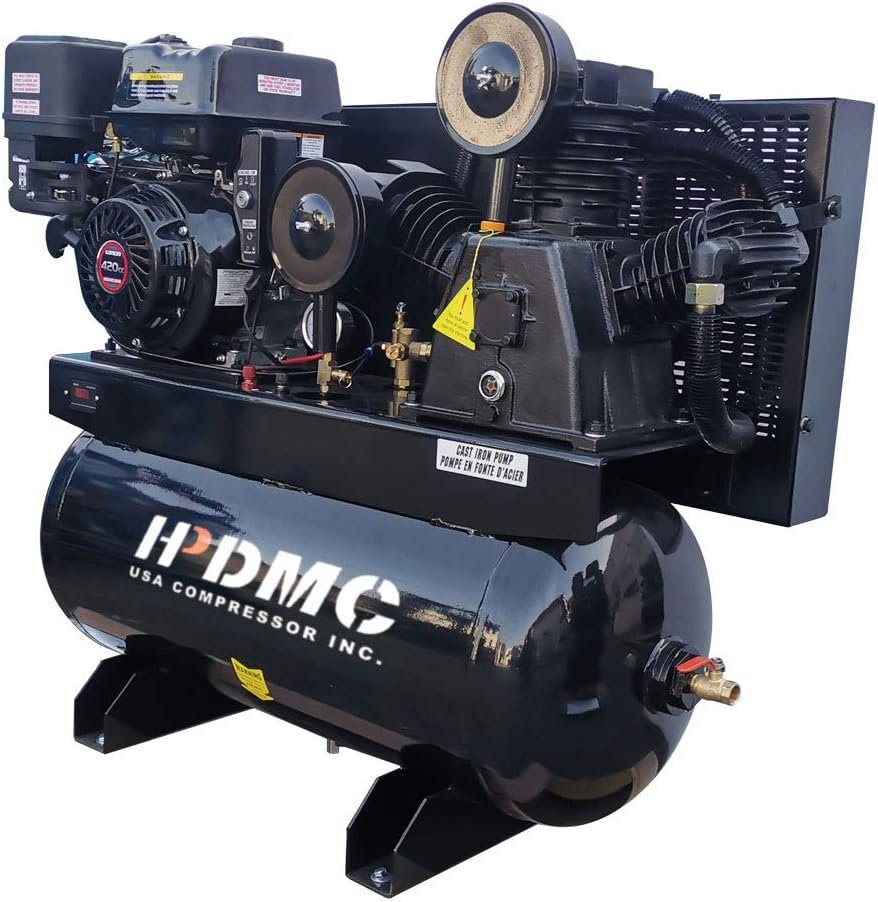

Product Overview: 13HP Gas Air Compressor 24CFM 180PSI – Electric Start Gas Powered w/ 30Gal ASME Tank Industrial Piston Pump for Truck Repair, Construction Sites & Workshop | Heavy Duty Portable Air Compressed
We’ll summarize the core attributes so we can quickly see what this unit promises. The compressor is a gas-powered, electric-start model with an industrial three-cylinder piston pump, a 30-gallon ASME-certified tank, and a rated output of 24 CFM at a maximum pressure of 180 PSI.
Key Specifications
We want a compact snapshot of the numbers that matter for comparison and practical use. Below is a specification table to make those figures easy to scan and compare.
| Feature | Specification |
|---|---|
| Power | 13 HP |
| Tank | 30 Gal ASME |
| Max Pressure | 180 PSI |
| Air Flow Rate | 24 CFM |
| Pump Type | Industrial piston pump, 3 cylinders, two-stage |
| Speed | 880 rpm |
| Drive Type | Gasoline (electric start) |
| Output Pipe Diameter | NPT 1/2″ |
| Combination Valve | Sensitive, stable, safe (factory spec) |
| Certification | EPA Certificate No.: RCGPS.4202GR-019; ASME tank certified |
| Typical Applications | Truck repair, construction sites, workshops, agriculture, industrial |
Performance and Air Delivery
We’ll explain how the compressor performs in real-world tasks and what the numbers mean for usability. With a 24 CFM rating and 180 PSI max, this unit is positioned for sustained medium-to-heavy duty tasks where portable, vehicle-mounted compressed air is needed.
Air Flow and Pressure in Practice
We find that 24 CFM at up to 180 PSI supports multiple pneumatic tools, especially when the tools are not all running at full load simultaneously. For high-demand air tools (like larger impact wrenches, sanders, or grinders) the 30-gallon tank helps by providing an air reserve so the pump cycles less frequently.
Pump Design and Two-Stage Compression
We note that the two-stage piston pump design increases efficiency for higher pressures and reduces the workload on each stroke. The use of three cylinders means smoother delivery and lower vibration compared with single-cylinder designs, which helps when mounted in vehicles or portable rigs.
Build Quality and Materials
We’ll discuss construction choices and durability indicators to help judge longevity. The compressor uses cast iron construction and cast cylinder sleeves, which are commonly preferred in industrial settings for wear resistance and heat dissipation.
Cast Iron and Longevity
We appreciate that cast iron pump heads and cylinder sleeves are more robust than alternatives. These materials support long-term use in demanding environments like mechanic shops and service trucks, and they typically tolerate higher temperatures and stresses without premature wear.
ASME-Certified Tank
We consider the ASME certification a strong point for safety and reliability. An ASME-certified 30-gallon tank means the vessel meets standardized fabrication and testing requirements, which reduces safety risks and often simplifies compliance with regulatory inspections for commercial fleets.

Portability and Mounting
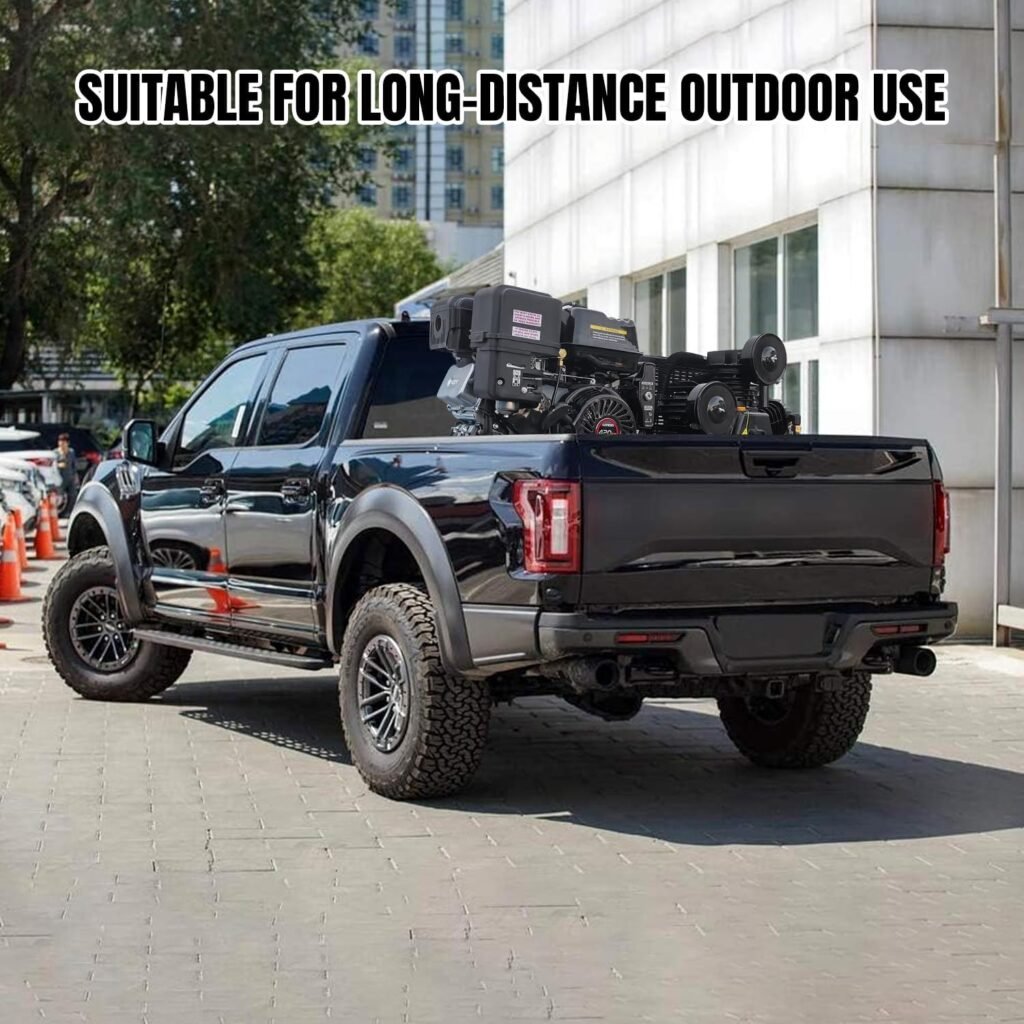
We’ll look at how well this compressor adapts to truck mounting and mobile service use. The unit is explicitly designed to be mounted in service vehicles, which is useful for on-site repairs and construction duties.
Truck and Service Vehicle Integration
We like that this model is truck-mountable and has electric start capability—this makes it much easier for technicians to start the compressor quickly without relying on in-cab power or manual pull-starting. We should plan for secure mounting brackets, vibration isolation, and access to fuel and exhaust routing when fitting it into a vehicle.
Weight, Footprint, and Handling
We recommend checking the vehicle’s payload capacity and the compressor’s physical dimensions before installation. The heavy-duty construction and 30-gallon tank add significant mass, so reinforced mounting points and anti-vibration pads will improve longevity and reduce noise transfer into the vehicle cab.
Usability and Controls
We’ll describe what it’s like to operate the compressor day-to-day. Electric start, straightforward pressure controls, and a combination valve with good sensitivity make operations easier for operator teams.
Electric Start Convenience
We find electric start to be a major convenience in fieldwork since it reduces start failures and lets us get going quickly in cold or marginal conditions. Pairing the electric starter with a robust battery and maintenance schedule ensures we are not left stranded.
Combination Valve and Safety Features
The combination valve’s sensitivity and stability are important for safe pressure control and reliable shut-off. We like that the valve is designed to be both responsive and durable—this minimizes overpressure risks and improves control during intermittent tool use.
Maintenance and Serviceability
We’ll outline routine checks and service intervals to keep the compressor running reliably. Preventive maintenance is essential: oil changes, filter replacements, valve checks, and periodic tank inspections are all part of responsible ownership.
Routine Maintenance Tasks
We recommend regular oil changes in the pump and engine, checking and replacing air intake filters, and inspecting belts or drive couplings. We should also purge the tank of moisture daily in humid conditions to prevent corrosion inside the tank.
Long-Term Checks and Parts Replacement
Every 6–12 months (or as duty-cycle usage dictates), we advise inspecting valves, cylinder rings, and the safety relief valve. Because the unit uses cast components, rebuild kits for piston compressors are readily available and can extend service life significantly when performed by a competent technician.
Safety and Certifications
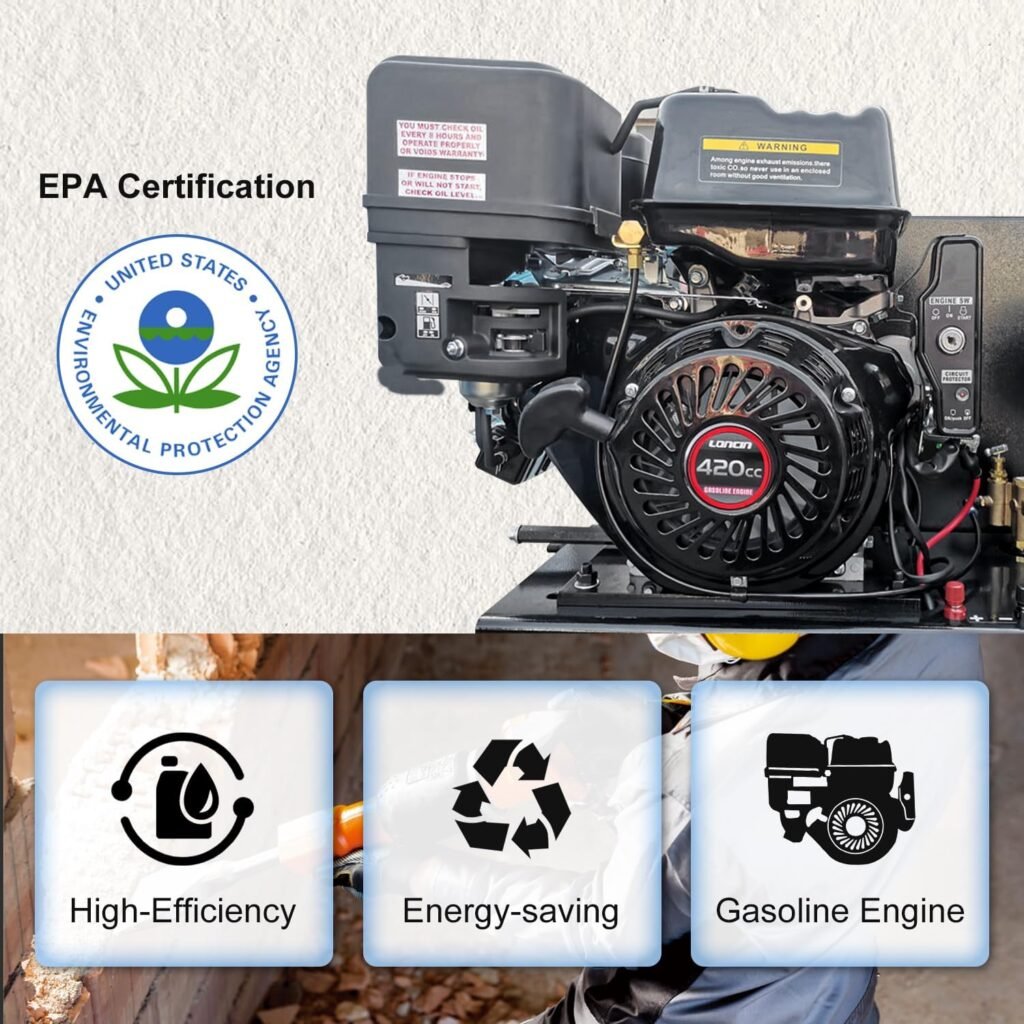
We’ll cover the safety credentials and what they mean for commercial and personal users. This compressor carries EPA certification (listed as RCGPS.4202GR-019) and uses an ASME-certified tank, so safety and emissions compliance have been considered in design and manufacturing.
ASME Tank and Pressure Safety
We emphasize that the ASME tank certification provides confidence in the vessel’s construction and safety testing, which is crucial for high-pressure applications and certain commercial uses. We also suggest periodic inspections per local regulations and tank re-certification timelines where applicable.
EPA Certification and Emissions
We note the provided EPA certificate number, which indicates compliance with emissions and regulatory standards for the engine. This can be important for businesses operating in regulated areas or for fleet operators tracking compliance.
Noise, Vibration, and Comfort
We’ll describe expected noise and vibration levels and what we can do to mitigate them for more comfortable and safe operation. Heavy-duty gas compressors tend to produce considerable noise and vibration; thoughtful mounting and enclosures can help.
Expected Noise and Mitigation
We expect moderate-to-high noise levels typical of gasoline-driven reciprocating compressors. We recommend installing the compressor with vibration mounts and, if possible, an insulated enclosure or baffling to lower sound transmission to the workspace or vehicle cab.
Vibration Reduction
The three-cylinder design and lower RPM (880 rpm) help reduce vibration compared to high-speed single-cylinder units. Still, we advise using vibration isolators and balanced mounting plates for long-term durability and improved operator comfort.
Applications and Use Cases
We’ll outline where this compressor fits best and where it is less suited. With 24 CFM and 180 PSI, this unit is ideal for truck repair, construction sites, workshops, agriculture, and other semi-industrial uses.
Best Use Cases
We believe this unit excels in mobile service applications where vehicle mounting is needed, such as mobile mechanics, on-site construction crews, and agricultural equipment servicing. The tank volume and CFM rating are well-suited for running multiple medium-demand tools sequentially.
Where It’s Less Ideal
This compressor may be less suitable for sustained operation powering multiple heavy air tools simultaneously in a fixed industrial plant environment where very high continuous CFM is required. For those situations, larger stationary compressors with bigger tanks and higher continuous CFM ratings may be preferable.
Installation and Mounting Considerations
We’ll provide practical steps to plan for mounting and installation in service vehicles or fixed workstations. Proper installation greatly affects longevity, noise, and safety.
Mounting Best Practices
We recommend securing the compressor to a rigid frame, using anti-vibration pads, and ensuring the tank and pump are aligned to reduce stress on fittings. Allow for access to oil drains, filters, and battery connections, and route exhaust and fuel lines away from heat-sensitive surfaces.
Fuel and Exhaust Management
As a gasoline-driven unit, careful exhaust routing and ventilation are necessary to prevent fumes from accumulating in enclosed cargo areas. We advise sealing and ventilating the compartment and routing exhaust to the outside with proper heat shielding.
Comparisons to Other Compressor Types
We’ll compare this model to electric and diesel alternatives so we can choose based on operational needs. Gas engines provide portability and independence from grid power, while electric compressors tend to be quieter and require a power source.
Gas vs. Electric
We prefer the gas model for mobile and remote work where electrical power is not available or is impractical. Electric compressors can be quieter and lower-maintenance for stationary workshops with reliable power supply.
Two-Stage Reciprocating vs. Rotary Screw
Two-stage reciprocating pumps like this one are robust and cost-effective for intermittent or moderate continuous use. Rotary screw compressors are better for very high continuous duty cycles, where their efficiency and lower noise at high load can justify higher upfront costs.
Accessories and Recommended Add-Ons
We’ll suggest a handful of accessories to get the most from the compressor and ensure safe, efficient operation. Some accessories are essential; others improve convenience and tool performance.
Essential Accessories
We recommend an inline moisture trap/drain, a quality regulator with gauges, quick-connect couplers, and a tank-mounted safety relief valve. These items protect tools, ensure accurate pressure control, and maintain safe operation.
Helpful Add-Ons
A sound-dampening enclosure, vibration mounts, an additional air dryer for high-humidity environments, and a battery isolator or dedicated battery for electric start are useful upgrades for mobile installations.
Troubleshooting Common Issues
We’ll outline a troubleshooting checklist for the most common issues so we can get the compressor back online quickly. Problems typically involve starting issues, loss of pressure, or excessive heat/noise.
Starting Problems
If the compressor won’t start, we first check battery charge and connections for the electric starter, fuel supply, and the engine kill switch. Spark plugs and the carburetor should be inspected if the engine cranks but won’t catch.
Loss of Pressure or Poor Delivery
If we see a loss of pressure or poor delivery, we inspect for leaks in hoses and fittings, a malfunctioning check valve, or worn piston rings/valves. Condensation build-up inside the tank or clogged intake filters can also reduce performance.
Pros and Cons
We’ll present a concise list of strengths and limitations so we can weigh value against requirements.
Pros
- Robust 13 HP engine with electric start, giving reliable on-the-spot power.
- 30-gallon ASME-certified tank for safer, longer air reserves.
- 24 CFM and 180 PSI enable a wide range of pneumatic tools.
- Cast iron pump components and two-stage design for durability and efficiency.
- Truck-mountable and designed for mobile service use.
Cons
- Gasoline engines generate noise and require fuel management and exhaust routing.
- Heavier and bulkier than small jobsite compressors—requires proper vehicle mounting or a reinforced stand.
- For very high continuous-demand industrial operations, a higher-capacity stationary compressor may be more efficient.
Cost of Ownership
We’ll look beyond purchase price to consider operating costs and maintenance. Gas compressors have fuel, oil, and maintenance costs that vary with usage intensity.
Fuel and Maintenance Costs
We calculate that fuel consumption will depend on duty cycle, but regular oil changes, filters, and occasional valve or ring rebuilds contribute to ongoing costs. We recommend budgeting for a routine maintenance plan and keeping spare parts on hand for fleet applications.
Longevity and Resale
With proper maintenance, a cast iron, two-stage compressor can last many years in service applications. Resale value remains reasonable if the unit is kept in good condition and records of maintenance are retained.
Who Should Buy This Compressor?
We’ll summarize typical buyer profiles to help identify fit. This compressor is targeted at businesses and professionals needing mobile, powerful compressed air without reliance on shore power.
Ideal Buyers
- Mobile mechanics and service trucks needing on-site air for tire service, impact wrenches, and inflation.
- Construction crews requiring portable, higher-pressure air for nail guns, grinders, and sandblasting prep.
- Agricultural and rural operations needing an independent compressed air source for equipment maintenance.
Buyers to Reconsider
We advise stationary industrial facilities with very high continuous air demands to consider larger rotary screw or more powerful stationary reciprocating compressors that are optimized for continuous duty.
Warranty, Support, and Parts Availability
We’ll recommend verifying warranty coverage and parts availability before purchase. Manufacturer support and accessible service centers add peace of mind in commercial use.
Checking Warranty Details
We advise obtaining the specific warranty terms—duration, coverage for parts vs. labor, and exclusions—before purchase. For fleet buyers, extended warranties or service contracts may be well worth the cost.
Spare Parts and Local Service
We recommend confirming local availability of consumables like filters, belts, and rebuild kits. A robust supply chain for spare parts reduces downtime and helps maintain uptime in critical service roles.
Frequently Asked Questions (FAQ)
We’ll answer common queries we expect buyers to have after reading the specifications and description.
What is the typical duty cycle for this compressor?
We suggest checking the manufacturer’s datasheet, but two-stage piston compressors of this build are commonly rated for intermittent high demand and moderate continuous duty. The 30-gallon tank and 24 CFM rating help limit continuous run time, but prolonged heavy use will need monitoring and possibly staged downtime.
Can this compressor run multiple tools at once?
Yes—depending on the tools and demanded CFM. For example, several low-CFM tools (nailers, small impact drivers) can be used sequentially or simultaneously if the combined CFM demand stays near or below the rated 24 CFM and the tank buffer is managed.
Is it safe to mount in a van or enclosed box?
It can be, but we recommend proper exhaust ventilation and heat dissipation planning. Vehicle installations should prevent exhaust fumes from entering occupied compartments and ensure fuel and heat sources are isolated from flammable materials.
Final Thoughts and Recommendation
We’ll summarize our assessment and give a clear recommendation based on use case. Overall, we see this compressor as a strong choice for mobile mechanics, service trucks, and construction teams that need a robust, truck-mountable air source with good tank capacity and durable construction.
Overall Assessment
We appreciate the balance between power (13 HP), delivery (24 CFM), pressure (180 PSI), and a 30-gallon ASME tank. The cast iron pump, two-stage design, and electric start add to the practical appeal for fieldwork. For businesses that need reliable, portable air and can accommodate the weight and exhaust considerations, this model is a practical and durable option.
Recommendation
If our primary requirement is a mobile, reliable compressor for moderate-to-heavy pneumatic tool use on-site or in vehicle-mounted service roles, we would recommend this compressor. For stationary facilities with very high continuous CFM needs, we would consider evaluating larger stationary compressors or rotary screw options before deciding.
Appendix: Quick Reference Maintenance Checklist
We’ll leave a practical checklist to help us keep the compressor in service longer and avoid common failures.
- Daily: Drain tank moisture, check oil and fuel levels, inspect for visible leaks.
- Weekly: Check belt tension (if belt-driven), clean/inspect air intake filter, verify pressure safety valve operation.
- Monthly: Inspect hoses and fittings, check battery and electrical connections for starter, test combination valve and gauges.
- Every 3–6 months: Change pump oil (follow manufacturer intervals), replace engine oil and filters, inspect piston rings and valves for wear.
- Annually: ASME tank inspection per local regulation, full valve and head inspection, clean cooling passages.
We hope this detailed review helps us decide whether the 13HP Gas Air Compressor 24CFM 180PSI with a 30-gallon ASME tank meets our needs for durability, portability, and reliable air delivery in demanding work environments.

Disclosure: As an Amazon Associate, I earn from qualifying purchases.