When selecting a portable air compressor tank, understanding the distinctions between capacity, material, and intended application is essential for best performance. We recognize that choosing the right tank involves balancing portability with durability, especially when considering safety features and operational demands. This decision impacts efficiency and longevity, making it critical to evaluate options carefully. Exploring these factors thoroughly can guarantee you find a solution that aligns with your specific requirements and workload, but the details can be complex.
Key Takeaways
- Consider tank capacity to match workload demands and portability needs.
- Choose between steel or aluminum based on durability and corrosion resistance.
- Evaluate pressure ratings to ensure safe and suitable operation for your tools.
- Assess portability features like handle design, weight, and size for easy transport.
- Match tank size (compact or heavy-duty) to your specific application requirements.
How to Choose the Right Portable Air Compressor Tank for Your Needs
Selecting the appropriate portable air compressor tank requires a clear understanding of your specific operational requirements and workload demands. We analyze factors such as required airflow, pressure ratings, and duty cycles to match tank capacity with application needs. For continuous or high-demand tasks, larger tanks offer the advantage of reduced compressor cycling, increasing efficiency and lifespan. Conversely, smaller tanks provide greater portability and are suitable for light, intermittent use. It’s essential to evaluate the compressor’s CFM (cubic feet per minute) output and the tank’s volume to guarantee suitability. Additionally, considering the tank’s material, pressure rating, and safety features helps prevent operational failures. Precise matching of tank specifications to workload parameters guarantees ideal performance, minimizing downtime and maintenance costs.
Top Features to Consider in Portable Air Compressor Tanks
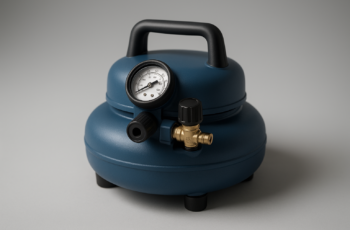
When evaluating portable air compressor tanks, focusing on their key features guarantees ideal performance and safety. Essential attributes include tank capacity, which determines air storage volume and impacts operating duration. Material construction, typically steel or aluminum, influences durability and corrosion resistance, affecting long-term reliability. Pressure rating is critical; it indicates the maximum safe operating pressure, ensuring safety margins are maintained. The valve system, including safety and drain valves, must provide precise pressure regulation and facilitate moisture removal. Portability features like handle design, weight, and size are crucial for ease of transport. Ultimately, accessories such as gauges and quick-connect fittings enhance usability, precision, and safety. Prioritizing these features ensures the compressor tank meets operational demands while maintaining safety standards.
Comparing Compact and Heavy-Duty Portable Compressor Tanks
Compact and heavy-duty portable compressor tanks differ markedly in design, capacity, and intended application, making their comparison essential for informed selection. Compact tanks prioritize portability, featuring smaller sizes, lower weight, and simplified construction, ideal for light tasks and on-the-go use. Heavy-duty tanks, conversely, are built with robust materials, larger capacities, and reinforced structures to handle continuous operation and demanding environments.
Compact tanks are portable and lightweight for light tasks; heavy-duty tanks are robust and larger for demanding industrial use.
- Size and weight: Smaller for portability versus larger for durability
- Material strength: Lighter materials vs. reinforced, industrial-grade components
- Capacity: Lower volume (around 1-6 gallons) vs. higher (up to 30 gallons or more)
- Application focus: Quick, light-duty tasks vs. heavy, continuous use in industrial settings
These distinctions guide users toward the appropriate choice based on operational needs.
Best Use Cases for Different Portable Air Compressor Tanks
Different portable air compressor tanks are optimized for specific tasks based on their size, capacity, and durability. Small tanks excel in precision tasks like tire inflation or powering pneumatic tools in confined spaces due to their portability and quick recharge times. Medium tanks suit DIY projects or light construction, providing balanced capacity and mobility. Heavy-duty tanks are ideal for industrial applications, offering high capacity and sustained airflow for demanding tasks.
| Tank Type | Best Use Case |
|---|---|
| Compact | Tire inflation, small tools |
| Medium | Home repairs, light construction |
| Heavy-Duty | Industrial, heavy-duty applications |
Choosing the right tank depends on workload intensity and mobility needs, ensuring efficiency and safety.
Tips for Maintaining and Using Your Portable Air Compressor Tank Safely
Proper maintenance and safe operation are vital to guaranteeing the longevity and reliability of your portable air compressor tank. Regular inspections help identify corrosion, leaks, or damage early, preventing system failure. Always verify the pressure gauge before use to avoid over-pressurization, which can cause tank rupture. Follow manufacturer guidelines for draining accumulated moisture, as moisture buildup accelerates corrosion. Use appropriate safety gear and ensure proper grounding during operation.
Regular inspections and proper safety measures ensure your portable air compressor tank’s longevity and safe operation.
- Perform routine visual inspections for corrosion, leaks, and damage
- Monitor pressure levels and avoid exceeding recommended limits
- Drain moisture from the tank regularly
- Use safety valves and personal protective equipment during operation
Frequently Asked Questions
What Are the Environmental Impacts of Portable Air Compressor Tanks?
Portable air compressor tanks have environmental impacts mainly through energy consumption during operation and potential leaks of compressed air, oil, or other fluids, which can contribute to pollution. We analyze these factors to minimize ecological footprints effectively.
Are There Any Portable Air Compressor Tanks Suitable for Outdoor or Rugged Conditions?
Yes, there are rugged, outdoor-suitable portable air compressor tanks featuring durable materials and weather-resistant coatings. These tanks withstand harsh conditions, ensuring reliable performance, but selecting the right model involves analyzing pressure ratings, portability, and environmental resistance properties.
How Do Noise Levels Vary Among Different Portable Compressor Tanks?
Noise levels in portable compressor tanks vary substantially; lower decibel models employ sound-dampening technology, while higher-capacity units with larger motors tend to generate more noise, affecting suitability for quiet environments and requiring strategic placement for ideal operation.
Can Portable Air Compressor Tanks Be Used for Medical or Sensitive Equipment?
We believe portable air compressor tanks aren’t ideal for sensitive or medical equipment due to potential fluctuations in pressure and contaminants. It’s best to use specialized, medical-grade compressors to guarantee safety and precision for such delicate applications.
What Are the Latest Technological Advancements in Portable Air Compressor Tanks?
We see that recent advancements include smart sensors for real-time pressure monitoring, improved lightweight materials for portability, enhanced energy efficiency through inverter technology, and noise reduction features, all optimizing performance and usability in modern portable air compressor tanks for diverse applications.
Conclusion
In conclusion, selecting the right portable air compressor tank hinges on understanding your specific workload and mobility needs. For instance, a DIY enthusiast might prioritize a lightweight aluminum tank for tire inflations, while a contractor could require a durable steel tank for heavy-duty tasks. By analyzing factors like capacity, material, and safety features, you can optimize performance, longevity, and safety. Making an informed choice guarantees reliable operation and cost-effective maintenance, whether for occasional use or intensive industrial applications.