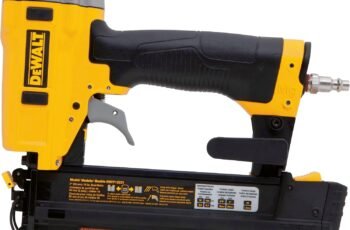
Have we ever wished our air compressor felt more like a helpful co-worker and less like a roaring machine in the corner?
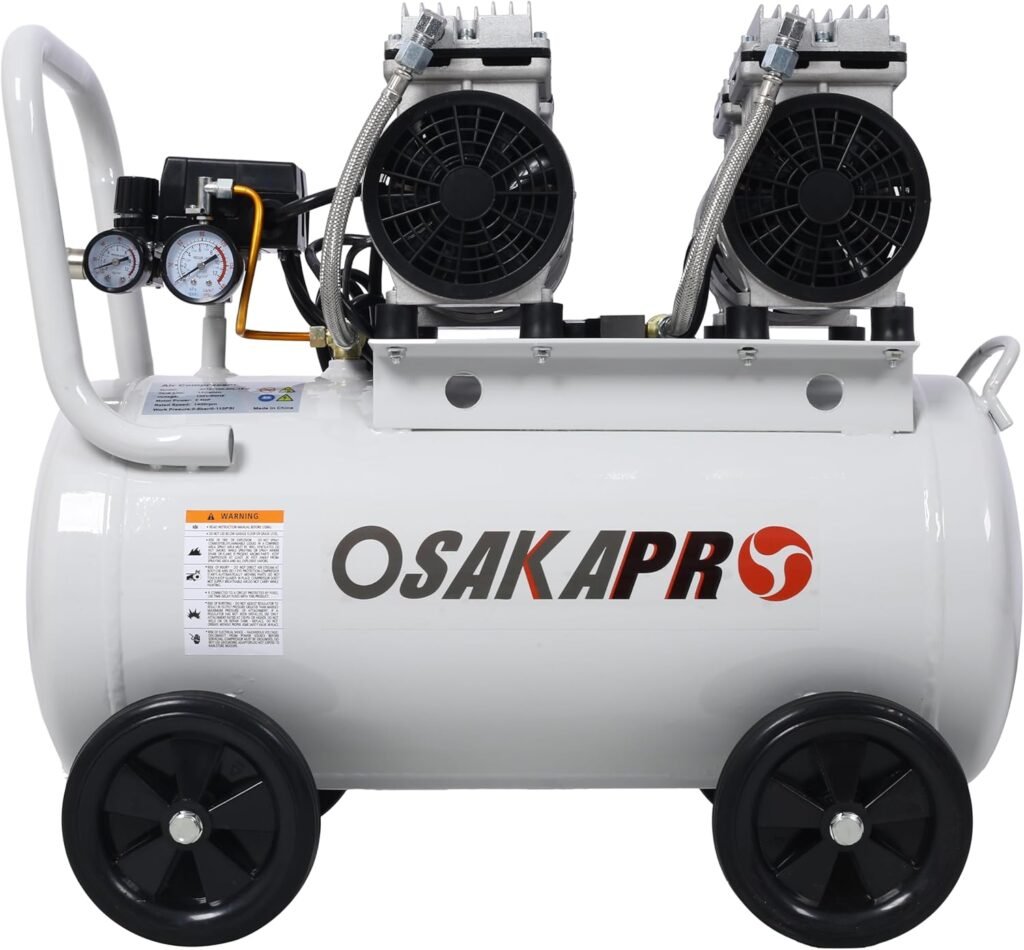

What Makes This Air Compressor Stand Out?
When we look at the Air Compressor, 13 Gallon Steel Tank, 2.5HP 4 CFM at 90 PSI Oil Free Air Compressor & Max. 115PSI Pressure, 70dB Ultra Quiet Portable Compressor, for Auto Repair, Tire Inflation, Spray Painting – Gray, we can tell it has been designed with real-world users in mind. Instead of just chasing big numbers, it focuses on a mix of power, quiet operation, portability, and durability.
This product is aimed at those of us who want professional-level performance without turning our workshop or garage into a noise factory. Whether we are working on cars, tackling home projects, or running light commercial tasks, this model aims to provide reliable compressed air with minimal fuss.
Key Specifications at a Glance
To get a quick sense of what this compressor offers, we can look at its core specs. These details help us judge whether it fits our tools, workspace, and overall expectations.
| Feature | Specification / Description |
|---|---|
| Motor Power | 2.5 HP |
| Air Delivery | 4 CFM at 90 PSI |
| Maximum Pressure | 115 PSI |
| Tank Capacity | 13-gallon steel tank (with rust-resistant aluminum tank structure) |
| Pump Type | High-efficiency four-stage pump |
| Pump Speed | 1400 RPM (steady, low-stress speed) |
| Noise Level | 70 dB (classified as ultra quiet) |
| Compressor Type | Oil-free |
| Recovery Time | No load to full load in about 2 minutes |
| Portability Features | 6-inch wheels, compact footprint |
| Primary Uses | Auto repair, tire inflation, spray painting, general pneumatic tools |
| Color | Gray |
These numbers tell a reassuring story: enough power to run common tools, enough pressure for most home and light professional tasks, and a noise level that will not overwhelm conversation.
Performance and Power
2.5 HP Motor and 4 CFM at 90 PSI
With a 2.5 HP motor delivering 4 CFM at 90 PSI, this compressor is well positioned for serious DIY work and light professional use. We get enough airflow to support tools that require a steady stream of air without constant waiting.
This means we can comfortably operate nail guns, finish guns, certain spray guns, and many automotive tools like small impact wrenches or ratchets, within their duty cycle limitations. For most of us, this performance level is more than enough to handle a wide range of tasks around the workshop or garage.
Maximum Pressure of 115 PSI
A max pressure of 115 PSI gives us some headroom beyond the typical 90 PSI working pressure used by many pneumatic tools. This cushion helps the compressor maintain tool performance longer before the pump kicks in and rebuilds pressure.
That extra bit of pressure also offers more flexibility for inflating tires, handling light spray painting, and running tools that benefit from a higher operating pressure, as long as we stay within tool specifications.
Quiet Operation: 70 dB Noise Level
Working Without the Constant Roar
One of the stand-out features is the ultra-quiet operation at around 70 dB. This puts the noise level closer to a normal conversation than the jarring noise we usually associate with compressors.
With 70 dB, we can hold a conversation nearby, listen to music, or work in a shared space without feeling like we are disturbing everyone around us. For home garages, basement workshops, or attached spaces, this low noise level is a real advantage.
Better for Residential and Commercial Use
Since it is quiet enough for residential environments, we can run it in our garage without waking the entire household. At the same time, the lower noise profile is ideal for small commercial shops, studios, or detailers trying to maintain a more comfortable atmosphere for staff and customers.
We get the sense that this compressor is built not just for raw performance, but for day-to-day usability where noise can be a real issue.
High-Efficiency Four-Stage Pump
Designed for Steady, Reliable Operation
The mention of a high-efficiency four-stage pump operating at 1400 RPM is important. Running at a relatively modest RPM helps reduce wear and tear, lower heat buildup, and contribute to the quieter sound profile.
A four-stage design is typically associated with better compression efficiency. We get improved air delivery and smoother operation, making it better suited for longer sessions and repeat use.
Lower Stress on Components
Because the pump is not spinning at extreme speeds, the internal parts experience less mechanical stress. Over time, that can mean less maintenance and a longer service life.
We can think of this compressor as being tuned for balanced performance rather than pushing everything to its limits, which is exactly what we want in a dependable shop tool.
Rapid Recovery Time
From No Load to Full Load in About 2 Minutes
Recovery time is where we really feel the difference while working. This compressor recovers from no load to full load in around 2 minutes, which is quite efficient for a 13-gallon unit.
That fast recovery means we are not standing around waiting for the tank to refill every time we use an air-hungry tool. We can get back to the actual job faster, whether we are inflating multiple tires, using an impact wrench on lug nuts, or spraying a panel.
Better Flow for Continuous Operations
While we always need to match our tools to the compressor’s CFM rating, the quick recovery time adds a cushion for semi-continuous use. For tasks like intermittent spray painting or regular nailing, that reduced downtime helps projects move along more smoothly.
If we have ever been frustrated by compressors that seem to spend more time refilling than working, this faster recovery is a practical improvement we can feel right away.
Oil-Free Design: Convenience and Cleanliness
No Oil Changes, Less Mess
Being oil-free is a huge plus for those of us who prefer simplicity. With an oil-free compressor, we do not need to worry about checking oil levels, changing oil, or dealing with possible oil carryover into our air lines.
This design keeps maintenance simple and helps us keep our workspace cleaner. We can focus more on the task and less on ongoing service.
Better for Painting and Clean-Air Tasks
For spray painting and finish work, oil-free operation helps reduce the risk of oil contaminants getting into the air stream. While we still want proper filtration and moisture control, starting with an oil-free compressor is a solid step toward cleaner output.
For hobbies like furniture refinishing, automotive painting, or crafting, the cleaner air path can contribute to better finish quality and fewer surprises.
Tank and Construction Quality
13-Gallon Steel Tank with Rust-Resistant Aluminum Structure
The 13-gallon capacity is a comfortable middle ground: large enough to offer a useful air reserve, but not so big that it becomes impossible to move. The construction includes rust-resistant aluminum tank components, helping maintain structural integrity and cutting down on corrosion.
This combination of steel capacity and aluminum resilience keeps the unit both durable and relatively manageable. We get the confidence of strong materials without the heft of a purely heavy-gauge steel build.
Long-Term Durability for Workshop and Garage Use
Tanks are a critical safety item on any compressor, and rust can be a serious enemy. The rust-resistant features and solid construction here give us more peace of mind for long-term use.
If we intend to keep our compressor in a garage corner or small shop for years, and possibly through different projects and tools, this kind of durability is exactly what we want.
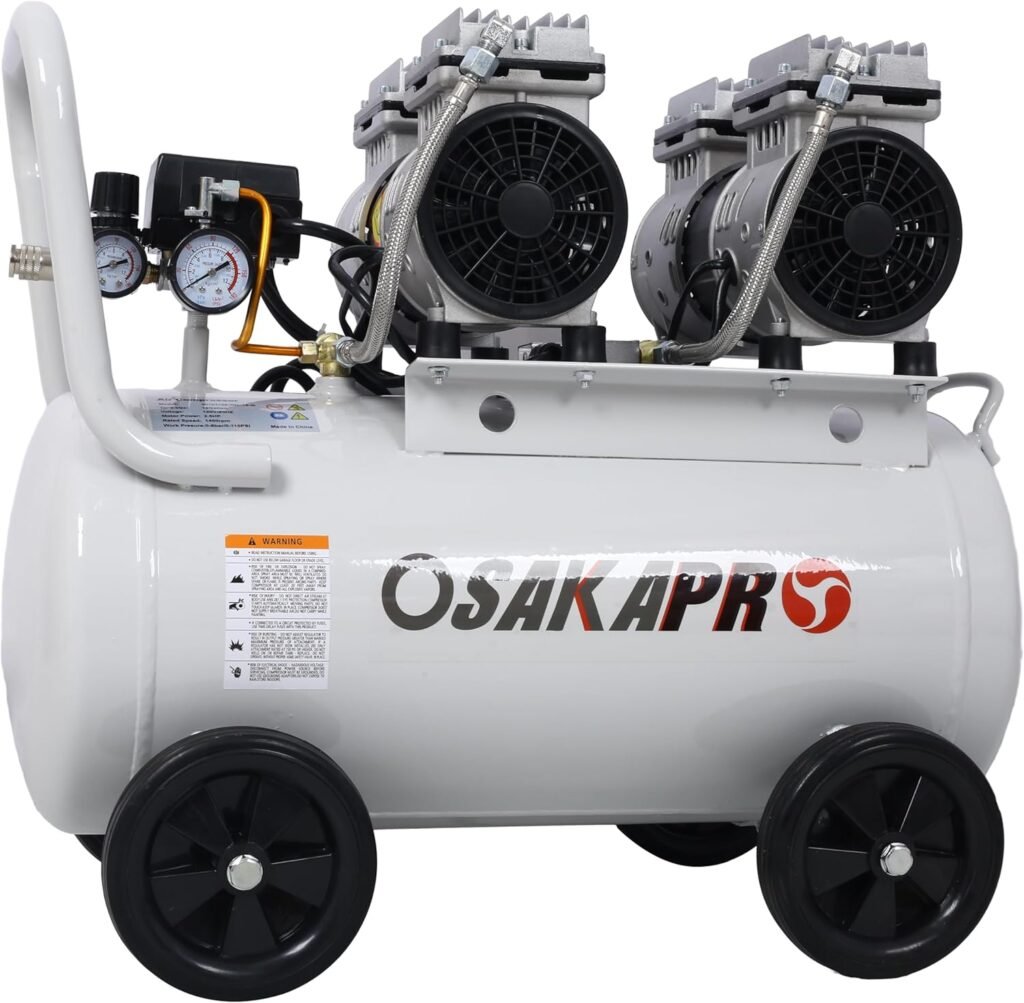

Portability and Compact Design
6-Inch Wheels for Easy Movement
Portability often gets overlooked, but in actual use it can make a huge difference. The inclusion of 6-inch wheels means we can roll this compressor around instead of wrestling with it.
Whether we are moving it from the garage to the driveway, repositioning it around a car, or shifting it in a workshop, those wheels save our back and make the unit far more practical.
Fits Neatly in Tight Spaces
With a compact design, the compressor is easier to tuck away when not in use. Keeping it in a garage corner or beneath a workbench becomes a realistic option rather than a storage puzzle.
This compact profile also helps if we are working in smaller spaces, like single-car garages, basements, or small commercial studios. It does its job without taking over the entire area.
Upgraded Piping, Valves, and Sealing
Enhanced Sealing to Prevent Air Leaks
Upgraded piping and valves with improved sealing are small details that make a big difference in everyday use. Air leaks are a hidden drain on performance—if we have ever heard a constant hiss, we know how frustrating that can be.
With better sealing, more of the compressed air we pay for (in terms of electricity) ends up powering our tools instead of escaping back into the room. This translates into better efficiency, faster recovery, and greater reliability.
Better Efficiency and Less Maintenance
Good piping and valves also reduce the need for constant tinkering. We spend less time chasing fittings, tightening connections, or replacing worn-out parts.
In practice, that means we can treat this as a dependable piece of equipment rather than a constant project, which is exactly what we want from a core tool like an air compressor.
Intended Uses and Practical Applications
Auto Repair and Tire Inflation
For auto repair, this compressor offers a sweet spot of power and capacity. We can inflate tires quickly, run certain impact wrenches for lug nuts, use air ratchets, and handle blow-out cleaning tasks under the hood or undercarriage.
At 4 CFM at 90 PSI, it is well suited for many air tools when used with reasonable duty cycles. We just want to match our tools to its output, especially for heavy impact or long continuous use.
For tire inflation alone, this unit is more than capable, letting us service passenger vehicles, small trucks, and general household needs without difficulty.
Spray Painting and Finishing Work
This compressor is also positioned as a good match for spray painting, especially in DIY, auto touch-up, and small-panel projects. The combination of oil-free operation, decent CFM, and quick recovery makes it a practical option for intermittent spraying.
For larger or professional full-vehicle paint jobs, we would still want to carefully confirm tool requirements and plan for duty cycles and breaks. But for refinishing, furniture, cabinet work, and spot repair, this unit fits well.
Pneumatic Tools and General Workshop Use
In addition to the specialized tasks, this compressor is ideal for supporting nailers, staplers, brad guns, and various small air tools. For woodworking, framing, trim work, and home improvement projects, it offers plenty of usable power.
We can also use it for air blowguns to clear dust from tools and work surfaces, powering certain small sanders (with downtime planned), and general shop maintenance tasks.
Comfort and User Experience
Noise, Vibration, and Overall Feel
With its quiet 70 dB rating and steady 1400 RPM pump, this compressor feels calmer and more controlled in use. We do not get the harsh, rattling experience some older compressors produce.
Less noise and vibration make it more pleasant to work around for extended periods. For those of us who might be in the same room with it for hours, that matters a lot to our comfort and fatigue levels.
Ease of Use for Beginners and Experienced Users
Because it is oil-free, compact, and relatively quiet, this compressor is approachable even for those of us who might be newer to air tools. There is less intimidation factor than some larger, louder industrial units.
At the same time, the performance and build quality are solid enough that more experienced users can treat it as a serious shop tool. It occupies a useful middle ground between entry-level and fully industrial equipment.
Pros and Cons Overview
To summarize our impressions, it helps to look at the strengths and trade-offs in a single comparison.
| Pros | Cons / Trade-offs |
|---|---|
| Quiet operation at about 70 dB | Not intended for very heavy industrial or continuous high-CFM use |
| 2.5 HP motor with 4 CFM at 90 PSI for versatile tasks | 13-gallon size, while portable, is not as large as stationary units |
| Oil-free design for low maintenance and clean operation | For very large paint jobs, capacity and CFM may feel limiting |
| 13-gallon tank for a good balance of reserve and size | Heavier than ultra-compact small compressors (though wheeled) |
| Max 115 PSI for strong tool performance | As with any compressor, proper filtration and drying are still needed for painting |
| Rapid recovery from no load to full load in about 2 min | May require planning duty cycles for extremely air-hungry tools |
| Upgraded piping and valves for reduced air leaks | Not battery-powered—requires access to standard power |
| Rust-resistant tank structure for longer service life | |
| Compact design and 6-inch wheels for portability |
We can see that this model clearly aims at being a high-quality, quiet, mid-range solution rather than an industrial monster or a tiny portable unit.
Who This Compressor Is Best For
Ideal Users and Scenarios
This compressor is particularly well suited for:
-
Home mechanics and automotive enthusiasts
If we spend our weekends working on cars, maintaining our own vehicles, rotating tires, or doing light repairs, this unit offers the right combination of power, quiet operation, and capacity. -
DIY and home improvement users
For projects involving nailers, staplers, trim work, and general compressed-air tasks, it fits nicely into a home workshop or garage. -
Small shops and professional hobbyists
Small auto shops, detailers, woodworking studios, or craft spaces that need a quieter, more refined compressor will appreciate the noise level and oil-free convenience. -
Spray painters and refinishers (small to medium scale)
Those of us doing smaller-scale painting or refinishing projects will find this compressor to be a comfortable partner, as long as we keep an eye on duty cycles.
Less Ideal Situations
There are also cases where this might not be the perfect fit:
-
Heavy industrial operations
Factories, large auto shops with constant multi-tool usage, or sandblasting operations would want a larger, higher-CFM, more industrial-grade system. -
Jobs requiring constant high-CFM flow
Tools that demand very high continuous CFM will push this unit past its comfort zone. In such cases, a larger, more powerful compressor would be more efficient.
Understanding where this compressor shines helps us decide if it truly matches our needs.
Maintenance, Care, and Longevity
Reduced Maintenance with Oil-Free Operation
The biggest maintenance advantage is that we do not need to worry about oil changes. That cuts down on routine tasks and makes the unit more plug-and-play.
We still want to:
- Drain condensation from the tank regularly
- Check fittings and hoses periodically
- Keep the compressor in a dry, ventilated area
- Use proper filtration and drying for painting or sensitive tools
These simple steps help extend the life of any compressor, including this one.
Built for Long-Term Reliability
The rust-resistant construction, upgraded sealing, and modest pump speed all help contribute to longevity. Rather than being pushed to extreme performance levels, this compressor balances power and durability.
With reasonable care and use, it should serve as a long-term fixture in our shop or garage rather than a short-lived gadget.
Working Comfortably in Shared Spaces
Less Stress for Family or Neighbors
Because this compressor is significantly quieter than many traditional models, we can be more considerate of those nearby. Using it in the evening or early morning becomes more realistic, especially if we work in attached garages or basements.
Family members, roommates, or neighbors will be less likely to complain or feel disturbed, which is a real quality-of-life improvement when we regularly tackle projects.
Better Atmosphere in Small Businesses
For small commercial settings—like detailing shops, small body shops, or craftsmanship studios—the quieter operation contributes to a more professional and comfortable environment. Staff can communicate more easily, and customers are less likely to feel overwhelmed by noise.
It is a subtle but important benefit that affects how our space feels day to day.
Practical Tips for Getting the Most Out of It
Matching Tools to the Compressor
To use this compressor effectively, it helps to:
- Check the CFM and PSI requirements of our tools
- Choose tools that either match or fall within the compressor’s capabilities
- Plan for intermittent use rather than constant full-load operation when using more demanding tools
This approach keeps the compressor within its ideal operating range and prevents frustration or premature wear.
Using Accessories Wisely
A few accessories can dramatically improve our experience:
- Quality air hoses with proper diameter to minimize pressure drop
- Regulators and filters to fine-tune pressure and keep air clean
- Moisture traps or dryers when painting or doing sensitive work
- Quick-connect couplers for easy tool changes
By setting up a small air system around the compressor, we can tailor it to different tasks without much effort.
Safety Considerations
Respecting Pressure and Tank Limits
Even though the tank is built for durability, we always want to respect the compressor’s rated pressure and not attempt any unauthorized modifications. We should also:
- Keep the pressure relief valve unobstructed
- Avoid tampering with safety mechanisms
- Periodically inspect the tank and fittings for visible damage
These habits keep our workspace safer and help us get full life out of the compressor.
Proper Ventilation and Environment
While the noise is low, the compressor still needs adequate ventilation for heat dissipation. Placing it in a well-ventilated area and avoiding fully enclosed, tight cabinets will help it run cooler and last longer.
We also want to protect it from excessive moisture, which can encourage rust and wear on external components, even with rust-resistant features.
Our Overall Impression
Balanced Performance for Real-World Use
Looking at everything together, this Air Compressor, 13 Gallon Steel Tank, 2.5HP 4 CFM at 90 PSI Oil Free Air Compressor & Max. 115PSI Pressure, 70dB Ultra Quiet Portable Compressor, for Auto Repair, Tire Inflation, Spray Painting – Gray delivers a thoughtful blend of power, quiet operation, and practicality.
We are not looking at a massive industrial system here, but rather a well-designed, mid-sized compressor that fits the reality of home garages, serious DIY setups, and small commercial spaces.
Why We Would Choose It
We would consider this compressor if we value:
- A quieter workshop or garage
- Enough power for auto repair, tire inflation, and most common air tools
- The convenience of oil-free operation
- A portable, compact unit that still has a substantial 13-gallon tank
- Durable construction aimed at long-term use
When we want a reliable, quiet, and capable air source that respects our ears and our workspace, this model checks many of the boxes that matter most.
Final Thoughts
In our view, this compressor is a strong choice for those of us who take our projects seriously but do not need a full industrial air system. It delivers a comfortable mix of performance and refinement that makes compressed air feel less like a noisy burden and more like a dependable partner in our work.
If our priorities include quiet operation, manageable size, respectable power, and low maintenance, this 13-gallon, 2.5 HP, oil-free, ultra-quiet unit fits nicely into that ideal. It is the kind of shop tool we can see ourselves relying on project after project, year after year.

Disclosure: As an Amazon Associate, I earn from qualifying purchases.