Have we ever wished our dental or medical workspace could be calmer, cleaner, and a lot less noisy—without sacrificing air power?

What Is the 40L Dental Medical Air Compressor and Who Is It For?
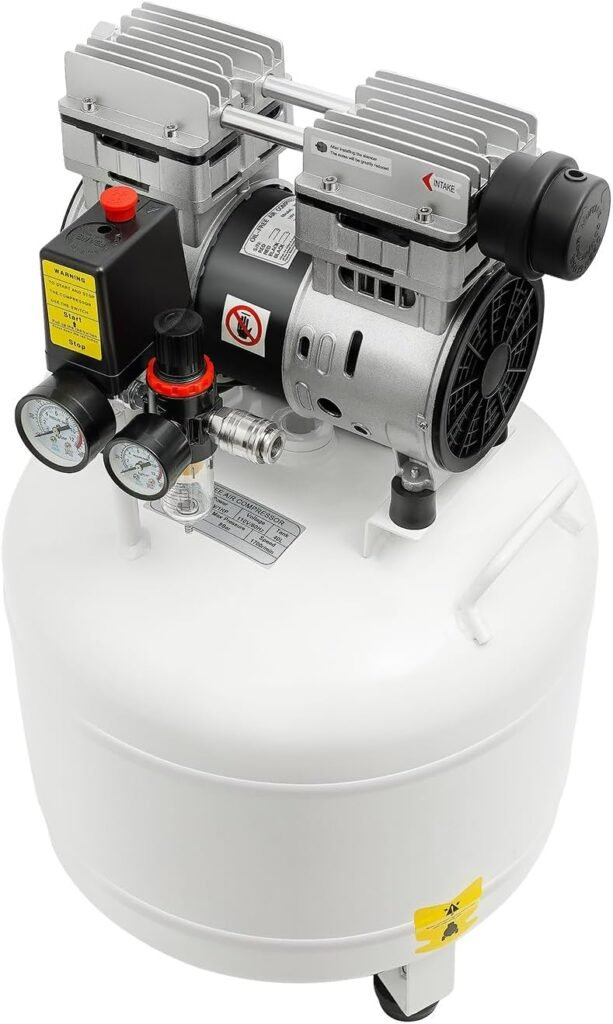
This 40L Dental Medical Air Compressor, Silent Oil Free Lubricated Air Pump, for Medical Equipment, Dental Device, Experiments, Dentistry 110V 750W is built specifically for professional environments where clean, consistent, and quiet compressed air matters. We are looking at a machine designed primarily for dental practices, clinics, small medical offices, labs, and beauty studios.
Instead of being a general-purpose garage compressor, this unit focuses on noise reduction, oil-free performance, and reliability under frequent daily use. If we run dental chairs, medical tools, or lab instruments that require stable air pressure, this compressor sits right in that sweet spot between professional performance and compact practicality.
Key Specifications at a Glance
Sometimes it helps to see the essentials in a quick snapshot. We put together the main specs and important features in a simple table so we can quickly compare them to what we need in our practice or lab.
| Feature | Specification / Detail |
|---|---|
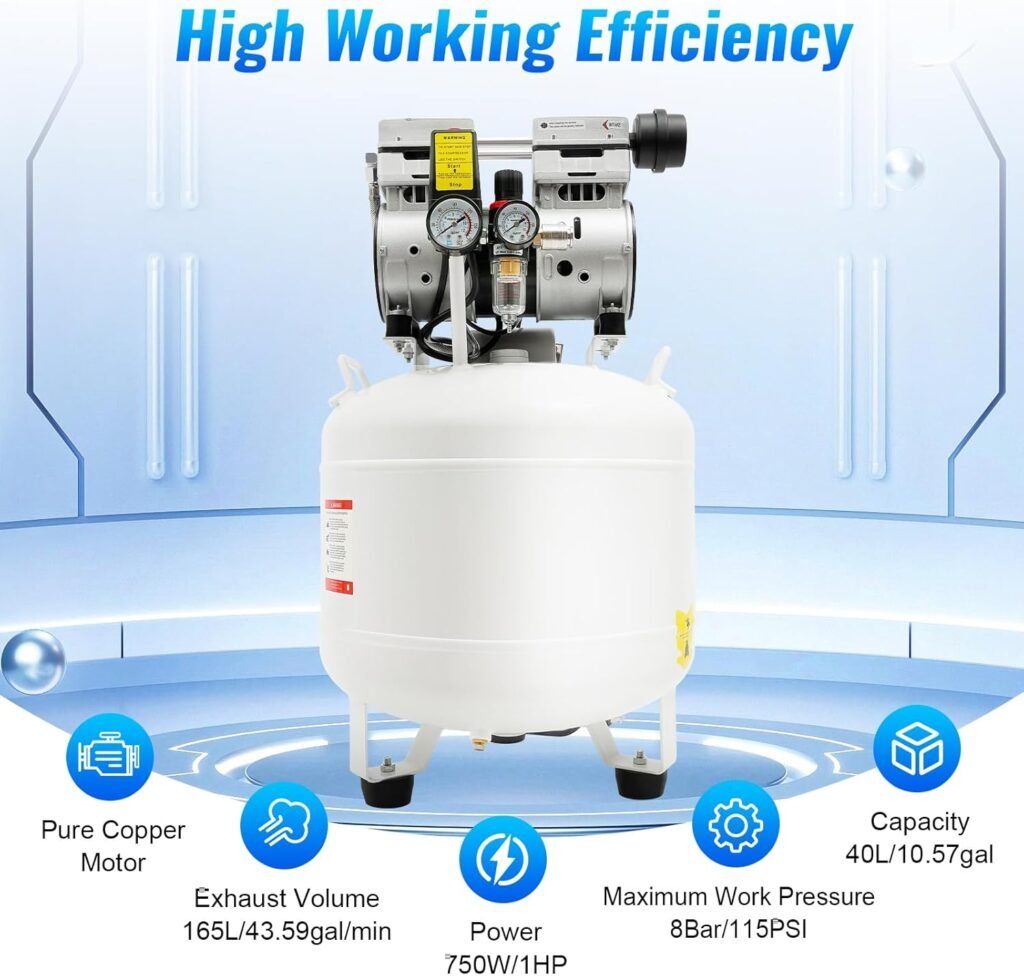
| Tank Capacity | 40L (approximately 10.57 gallons) |
| Motor Power | 0.75KW (750W) all-copper electric motor |
| Voltage | 110V |
| Maximum Pressure | 8 Bar / 115 PSI |
| Airflow Rate | 165 L/min (about 43.59 gal/min) |
| Noise Level | About 65 dB (quiet operation) |
| Pump Type | Oil-free, oilless copper pump |
| Construction Material | Corrosion-resistant steel casing, shockproof aluminum base |
| Safety Features | Electromagnetic valve auto-shutoff, thermal protection, oil-water separator, filter |
| Cooling | Large cooling fan for effective heat dissipation |
| Footprint | Vertical design, approx. 16.14 x 25.59 inches |
| Mobility | Side handles, 3 rubber foot pads, easy to move and place |
| Typical Use Cases | Dental chairs, medical devices, beauty tools, lab and experimental equipment |
These specs show us that the compressor is not only compact and quiet but also powerful enough to support demanding dental and medical procedures.
Design and Build Quality
Corrosion-Resistant and Rustproof Construction
We know clinical environments can be harsh on equipment—there are cleaning chemicals, moisture, and constant usage. This compressor’s corrosion-resistant steel casing and rustproof construction are major advantages for long-term reliability.
We can clean around it regularly and expect it to maintain its structure and appearance without quickly succumbing to rust or flaking paint. That kind of durability reduces our replacement costs and keeps our treatment areas looking professional.
Shockproof Aluminum Base and Rubber Foot Pads
The base is made from shockproof aluminum and supported by three rubber foot pads. This may seem like a small detail, but it makes a noticeable difference in daily use.
With the shockproof base and rubber feet, we get:
- Less vibration transmitted to the floor
- Reduced rattling noise around furniture and cabinets
- Better stability when tools are in use and the compressor cycles on and off
This is valuable if we place the compressor close to dental chairs, lab benches, or delicate instruments that we do not want shaking.
Vertical, Compact Footprint with Side Handles
The vertical 16.14 x 25.59 inch footprint is designed to save floor space. In clinics where every square inch matters, being able to tuck the compressor into a corner, under a counter, or beside a chair is a big plus.
The integrated side handles make it practical to move between rooms if needed, especially for practices where we might share equipment between operatories or treatment spaces. It is not ultra-light, but the design helps us reposition it without needing a cart or second person in most cases.
Performance: Power, Airflow, and Pressure
0.75KW Motor and 8 Bar / 115 PSI Output
With a 0.75KW (750W) all-copper motor, this compressor is built to deliver robust and reliable power. The all-copper motor design generally means better heat resistance and greater efficiency compared with cheaper alternatives that cut corners on materials.
It maintains up to 8 Bar (about 115 PSI), which is more than enough for most dental and medical applications, as well as many lab setups. We can run dental handpieces, air syringes, and other pneumatic devices without worrying about pressure drops during typical procedures.
Airflow Capacity for Chairside and Lab Use
At 165 L/min (around 43.59 gallons per minute), the airflow is suitable for:
- One or more dental chairs depending on our demand cycles
- Medical devices needing steady compressed air
- Lab tools such as air agitation, air-driven pumps, and small pneumatic devices
This airflow level is especially important if we are running several tools that might cycle on and off. The 40L tank combined with this pump capacity helps us maintain steady delivery rather than waiting for the tank to catch up.
Quiet Operation: 65 dB Noise Level
What 65 dB Sounds Like in a Clinic
With an operating noise level of around 65 dB, this compressor falls into the “quiet” category for air compressors. For context, 65 dB is roughly similar to:
- Normal conversation at close range
- A quiet dishwasher running in the background
We are not dealing with the harsh, rattling, 80–90 dB noise levels that many traditional compressors produce. That means:
- Less stress for patients in dental chairs
- More comfortable working conditions for clinicians
- Better acoustic environment for consultations and in-room communications
Why Quiet Matters in Dentistry and Medicine
Noise control is not just about comfort; it affects patient perception and team fatigue. A calmer auditory environment can help patients feel less anxious before and during procedures. For us and our staff, it cuts down on constant background noise that can become mentally draining over time.
By placing a relatively quiet compressor near a treatment area, we avoid the need for far-away compressor rooms in many setups, which is ideal for small practices or shared spaces.

Oil-Free, Lubricant-Free Technology
Clean Air Without Messy Oil
The core of this compressor is its oil-free copper pump. Because the system does not require oil lubrication:
- We do not need to worry about oil vapors contaminating the air lines
- There is no need for regular oil changes or oil level checks
- The air that reaches our tools is cleaner and better suited for medical and dental procedures
In clinical and experimental environments, oil contamination can interfere with:
- Dental restorations and bonding processes
- Lab experiments and sensitive instruments
- Medical tools where sterilization and cleanliness are critical
With an oil-free compressor, we maintain a much more controlled and hygienic environment.
Maintenance Advantages of Oilless Operation
We save both time and consumables by avoiding lubrication:
- No oil bottles to store, monitor, or dispose of
- Reduced risk of accidental overfilling or leaks
- Less complexity in routine maintenance
Over the long term, this can lower operating costs and reduce the likelihood of oil-related breakdowns. For many practices, that simplicity alone is a compelling reason to choose an oil-free design.
Safety and Protection Features
Electromagnetic Valve Auto-Shutoff
The electromagnetic valve is a key safety component. In a power failure or sudden outage, it automatically shuts off air delivery. This protects:
- The compressor from running in unstable conditions when power returns
- Connected devices from abrupt pressure changes
- Our team from surprises when the power comes back unexpectedly
Being able to trust that the compressor will behave safely in such situations offers peace of mind in busy practices.
Thermal Protection and Cooling Fan
The motor is thermally protected, and the unit includes a large cooling fan. Together, these features:
- Prevent overheating during extended use
- Extend the life of the motor and internal components
- Maintain more consistent performance, even on heavy days
If we run multiple procedures back-to-back or run lab equipment for long periods, we benefit from the steady cooling that helps the compressor recover quickly without risking damage.
Integrated Oil-Water Separator and Filter Muffler
The built-in oil-water separator and filter muffler work together to improve the quality of the air output:
- The separator removes moisture and residual contaminants
- The filter helps clean and muffle the air, further reducing noise
This is essential when we want dry, clean air that will not interfere with bonding agents, lab reagents, or precise medical tools. Moisture in air lines can cause corrosion, affect materials, and support microbial growth—problems we definitely want to avoid.
Ease of Use and Setup
Plug-and-Play: No Assembly Needed
One of the standout benefits is the plug-and-play design. We receive the unit essentially ready to go:
- No complex assembly
- No need to mount multiple components
- Just position, plug into a 110V outlet, connect our lines, and set pressure
That is especially helpful for smaller practices without dedicated maintenance staff or for us when we simply want to get up and running quickly.
Simple Controls and Pressure Gauge
With an integrated pressure gauge, we can:
- Monitor current tank pressure at a glance
- Adjust to the optimal level recommended for our devices
- Spot any unusual behavior early, such as failure to reach pressure
The simplicity of the control interface helps reduce user error and ensures that any team member can safely operate the compressor after a quick briefing.
Mobility and Placement in Our Workspace
Vertical Design that Fits Tight Spaces
The vertical orientation helps us:
- Use narrow floor areas efficiently
- Fit the compressor in corners or small utility spaces
- Keep more room for patients, carts, or lab benches
For clinics with limited backroom space, this can be the difference between a clean, organized layout and a cluttered utility area.
Side Handles and Stable Positioning
Side handles make relocation easier if we rearrange operatories or need to lend compressed air to another room temporarily. At the same time, the three rubber foot pads keep the unit stable wherever we place it.
We can:
- Move it in a single trip for most distances
- Reposition it if a room layout changes
- Keep it fixed in place without walking or sliding when running
This flexibility is particularly helpful in growing practices or multipurpose treatment spaces.
Suitability for Dental Applications
Dental Chairs and Handpieces
For dentistry, this compressor is purpose-built:
- It supplies consistent 8 Bar pressure suitable for high-speed and low-speed handpieces
- It supports air-water syringes, saliva ejectors, and some air-driven lab tools
- Its quiet operation makes it acceptable near dental chairs
If we run a single-chair or small multi-chair clinic, we can use this unit as the core compressed-air source without the noise associated with many industrial compressors.
Patient Comfort and Clinical Workflow
We know that dental anxiety is common, and noise is a major trigger. By using a quieter compressor, we:
- Reduce sudden loud sounds that can startle patients
- Maintain a more soothing background noise environment
- Allow clinicians and assistants to communicate clearly during procedures
That more peaceful atmosphere supports patient trust and can make longer procedures more tolerable for everyone.
Suitability for Medical and Beauty Devices
Support for Medical Devices
Beyond dentistry, the compressor works well for:
- Small medical equipment that requires clean, dry air
- Air-driven pumps or valves in procedural setups
- Devices that must not be contaminated with oil aerosols
This is especially valuable in outpatient clinics, minor procedure rooms, and small surgery settings where equipment rooms are limited.
Use in Beauty and Aesthetic Tools
Many beauty tools—from airbrush makeup systems to aesthetic devices—benefit from:
- Quiet operation to keep the client relaxed
- Oil-free air that will not affect skin treatments
- Compact equipment that fits into a small treatment room
By adopting a medical-grade compressor, beauty professionals elevate their air quality and perceived professionalism in front of clients.
Suitability for Laboratory and Experimental Work
Stable Air for Experiments and Instruments
For labs and experimental setups, consistent and clean compressed air is vital. This compressor supports:
- Air agitation of solutions
- Operation of pneumatic valves and actuators
- Small-scale experimental rigs requiring reliable pressure
Oil-free operation is critical when even tiny contaminants can skew results or damage sensitive instruments.
Controlled Moisture and Cleanliness
The integrated oil-water separator and filtration components help ensure:
- Less moisture reaching delicate lab equipment
- Reduced risk of corrosion in metal tubing and fittings
- Cleaner experiments and more reproducible results
If we are conducting precision experiments or running long-term setups, these elements become more than conveniences—they are safeguards for our data and equipment.
Comparing This Compressor to Standard Models
Professional-Grade vs. Consumer-Level Compressors
Compared with generic consumer or light-industrial compressors, we notice several advantages:
- Lower noise (around 65 dB instead of 80–90 dB)
- Oil-free air suitable for clinical environments
- Built-in moisture and filtration systems optimized for clean output
- More compact vertical design, often better suited to clinical and lab spaces
Standard DIY or workshop compressors often lack these features, making them less desirable in settings where air purity and indoor noise levels are critical.
Longevity and Craftsman-Grade Build
The manufacturer positions this compressor as “craftsman-grade,” intended to outlast standard models. With an all-copper motor, corrosion-resistant casing, and thermal protection, the build is clearly geared toward frequent, professional use.
That means:
- Fewer unexpected breakdowns
- Longer intervals between service or replacement
- Better long-term value, especially for busy practices
Daily Use Experience
Startup, Operation, and Recovery
In normal use, we:
- Turn it on
- Allow it to reach working pressure
- Let it cycle automatically as we use air tools
We should expect relatively quick recovery times from the 165 L/min pump. During procedures, the compressor will cycle on and off to maintain pressure; because of the reduced noise level, this is much less disruptive than traditional units.
Cleaning and Routine Checks
Day-to-day maintenance mostly involves:
- Checking the pressure gauge
- Occasionally draining collected moisture as recommended
- Inspecting filters and the oil-water separator at intervals
Because the unit is oil-free, we avoid oil level checks and changes, which simplifies the maintenance routine sharply.
Advantages and Benefits
Main Strengths at a Glance
We can summarize the key benefits like this:
- Quiet operation around 65 dB, ideal for patient- and client-facing environments
- Oil-free air, preventing contamination of tools, materials, and experiments
- Robust, rust-resistant construction designed for long-term clinical use
- Strong 8 Bar / 115 PSI output with 165 L/min airflow
- Compact vertical design with side handles and stable rubber foot pads
- Built-in safety measures, including electromagnetic valve auto-shutoff and thermal protection
- Integrated oil-water separator and filter muffler for cleaner, drier air
These strengths make it especially attractive for practices or labs looking to improve both performance and environmental comfort.
How It Helps Our Workflow
By integrating this compressor into our setup, we:
- Reduce patient and staff stress from noise
- Spend less time on oil-related maintenance
- Enjoy more reliable air supply during busy days
- Maintain a more professional, clutter-free environment
Over time, these improvements translate into smoother workflows, happier patients or clients, and more time spent on actual treatments and experiments rather than equipment issues.
Potential Limitations and Considerations
Matching Capacity to Our Needs
While the compressor offers strong performance for its size, we still need to match it to our actual use case:
- For multi-chair clinics with heavy, simultaneous usage, we may need multiple units or a higher-capacity central compressor
- For heavy industrial use or high-volume manufacturing, this may not be the right type of machine
We should evaluate how many tools will draw air at once and how long they run continuously.
Ventilation and Placement
Even with its quiet design and cooling fan, we still need to consider:
- Adequate ventilation around the unit for proper heat dissipation
- Easy access for filter checks, draining, and inspection
- Proximity to power outlets and air line connections
Placing it in a cramped, unventilated closet with no airflow would not be ideal for any compressor, including this one.
Ideal Use Scenarios
Best Fits in Real-World Settings
We see this compressor as an excellent fit for:
- Single- or dual-chair dental practices aiming for a quiet, compact, and oil-free air source
- Small medical clinics where air-driven instruments are used but space is limited
- Beauty and aesthetic studios needing a professional-grade, quiet compressor
- Research labs and educational facilities running experiments and teaching setups
- Shared spaces or mobile clinics that benefit from easy relocation and minimal installation
In all these environments, the balance of quiet, clean air, and robust build makes it a strong candidate.
When This Compressor Might Not Be Enough
On the other hand, it might fall short if:
- We operate a large, multi-chair dental center with very high simultaneous demand
- We run heavy industrial pneumatic systems or large production equipment
- We require specialized pressure ranges outside typical clinical needs
In such cases, we might still use it as an auxiliary compressor, but larger systems would likely handle the main load.
Tips for Getting the Most Out of This Compressor
Smart Setup and Maintenance Habits
To maximize performance and lifespan, we can:
- Place the unit in a well-ventilated corner with a bit of space around it
- Check the pressure settings according to our tool manufacturers’ recommendations
- Drain moisture regularly, following the manufacturer’s instructions
- Inspect and clean or replace filters periodically
These small practices help maintain consistent airflow, prevent moisture buildup, and protect the motor from unnecessary strain.
Integrating with Existing Equipment
If we already have air lines or quick-connect fittings in our facility, we should:
- Match or adapt the connector sizes properly
- Ensure line materials are suitable for medical and dental air use
- Label the compressor’s circuit and lines to simplify troubleshooting later
Proper integration helps keep the entire system efficient and reduces the risk of leaks or pressure drops.
Overall Value and Long-Term Perspective
Cost vs. Benefits in Professional Settings
When we consider:
- Reduced maintenance from an oil-free system
- Extended lifespan from corrosion-resistant materials and thermal protection
- Improved patient and staff comfort due to quiet operation
- Cleaner air that protects tools, materials, and experiments
The long-term value of this compressor becomes clear. We are investing not only in a piece of equipment, but also in a better day-to-day working environment.
Reliability and Peace of Mind
Knowing that our compressor:
- Shuts off safely in power failures
- Manages heat effectively
- Resists rust and environmental wear
Allows us to focus on patients, clients, and experiments rather than worrying about the air system. Over years of use, this stability can be one of the most important benefits.
Final Thoughts: Is This Compressor Right for Us?
If we are operating a dental clinic, small medical office, beauty studio, or lab and we need a quiet, oil-free, and durable air source, the 40L Dental Medical Air Compressor, Silent Oil Free Lubricated Air Pump, for Medical Equipment, Dental Device, Experiments, Dentistry 110V 750W is an excellent match.
We gain:
- Medical-grade clean air
- Affordable, manageable maintenance
- Compact, flexible placement
- A calmer environment for both patients and staff
As long as our air demand aligns with its 40L tank and 165 L/min capacity, this compressor can become a reliable backbone of our daily operations, supporting procedures, experiments, and treatments with consistent, quiet confidence.

Disclosure: As an Amazon Associate, I earn from qualifying purchases.