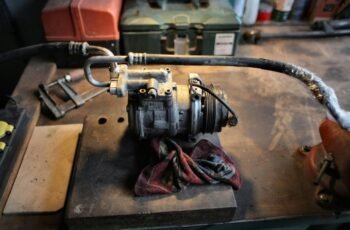
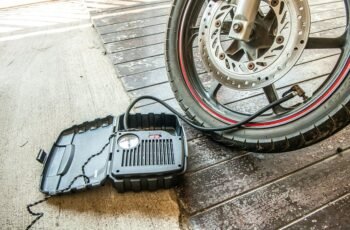
Can we really get serious air power in our workshop without rattling the walls or annoying everyone within earshot?
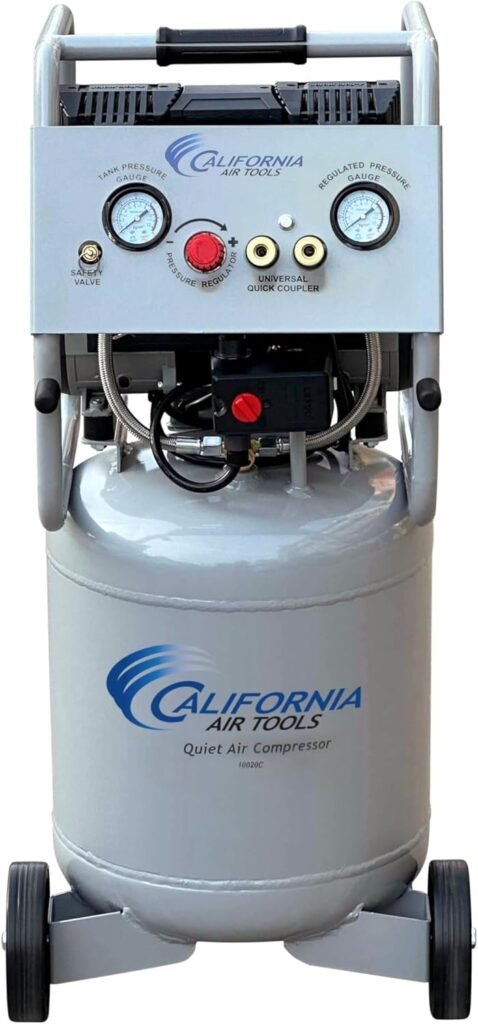

Overall Opinion of the California Air Tools 10020C
We see the California Air Tools 10020C 2.0 HP Ultra Quiet and Oil-Free Air Compressor, 10 Gallon Steel Tank with Wheels, 70 dBA Noise Level as a strong choice for anyone who needs reliable compressed air without the usual noise and maintenance headaches. It balances power, portability, and quiet operation in a way that fits both home users and small professional shops.
Rather than trying to be the biggest or most heavy-duty unit on the market, it focuses on being practical. We get enough airflow for most common tools, easy mobility, low noise, and very little upkeep, which makes it a good long-term companion in our workspace.
Key Features at a Glance
We like to start with the basics because it helps us understand if a tool will work in our environment and with our typical tasks. Here’s a quick summary of what stands out about this compressor.
Main Specifications in Simple Terms
To make things easier to scan, we put the core details into a table so we can see the essentials in one place.
| Feature | Specification / Detail |
|---|---|
| Brand & Model | California Air Tools 10020C |
| Motor Power | 2.0 HP |
| Noise Level | 70 dBA |
| Airflow @ 40 PSI | 6.40 CFM |
| Airflow @ 90 PSI | 5.30 CFM |
| Pump Type | Oil-free dual piston |
| Life Cycle | Over 3000 hours |
| Tank Capacity | 10 gallons (steel tank) |
| Tank Style | Horizontal steel tank with wheels |
| RPM (Motor Speed) | 1680 RPM |
| Power Source | Standard electric (typically 110–120V in North America) |
| Mobility | Wheels and handle for transport |
| Dimensions | 16″ (L) x 15.1″ (W) x 35.9″ (H) |
| Special Feature | Easy Start Valve for lower starting amps, especially in cold use |
These numbers help us judge whether this compressor meets our needs for capacity, power, and ease of use. Next, we break down how these specs actually feel in real-world use.
Noise Level: “Ultra Quiet” in Real Life
A lot of compressors claim to be quiet, but we always want to know what that means in practical terms. The 10020C is rated at 70 dBA, which is more like a conversation or a dishwasher than a typical screaming compressor.
Working Comfort in Noise-Sensitive Spaces
We find this noise level makes a noticeable difference in how comfortable it is to work around the unit. We can still hear it, but we don’t need to shout over it, which matters a lot if we:
- Share a garage with family members nearby
- Run a small shop close to offices or neighbors
- Work indoors or in a closed space where sound echoes
Compared with many traditional compressors that can easily hit 80–90 dBA, this is a calmer background hum rather than an aggressive roar. We can listen to music or follow an instructional video while it’s running without blasting the volume.
Why the Noise Matters Over Time
Spending hours in a loud environment is draining. We find that a quieter compressor reduces fatigue and makes us more willing to actually use it for smaller tasks. This might seem like a small thing, but we tend to reach for tools that don’t make the experience unpleasant. In that sense, the 10020C encourages us to use our air tools more often rather than avoiding them due to noise.
Performance and Power: What Can We Actually Run?
Power ratings and CFM numbers can be confusing, so we like to think in terms of “what tools can we reliably operate?” The 10020C gives us:
- 6.40 CFM at 40 PSI
- 5.30 CFM at 90 PSI
Suitable Tools and Tasks
These airflow rates place the 10020C in a solid middle ground for many common air tools and workshop tasks. We find it well-suited for:
- Framing and finish nailers
- Brad nailers and staplers
- Blow guns and cleaning dust off tools or work surfaces
- Airbrushes (with regulation)
- Light to moderate impact wrenches (short bursts)
- Tire inflation for cars, bikes, and light trucks
- Inflating sports equipment, pool toys, and other household items
For tools that run intermittently, like nailers and impact wrenches, it performs quite comfortably. We fire nails or spin off lug nuts, the compressor cycles, and we’re back to work without waiting long.
Where It Starts to Feel Limited
We should be realistic: this is not meant for heavy industrial tools that demand continuous airflow. We may find it underpowered or too slow to recover for:
- Large sanders or grinders that need constant airflow
- Continuous sandblasting or heavy media blasting
- High-demand automotive painting in a professional setting
For those types of jobs, we’d want a unit with much higher CFM and possibly a larger tank. But for most home shops, small contractor setups, and DIY garages, the 10020C provides a comfortable balance between performance and size.

The 2.0 HP Motor: Power Without Overstress
A 2.0 HP motor at 1680 RPM gives us enough strength to deliver the needed airflow without spinning at extremely high speeds. Running slower like this is generally better for noise levels and long-term durability.
Why the Lower RPM is Helpful
We appreciate that the motor is designed to turn at a modest 1680 RPM, because:
- Lower speed usually means less vibration
- Reduced vibration contributes to the 70 dBA noise level
- Slower wear on moving parts can increase reliability over time
We see this as a thoughtful design choice: instead of chasing speed and peak performance at the expense of comfort and longevity, the manufacturer clearly aimed at quieter operation and durability.
Electrical Demands and Starting Behavior
The motor partners with the Easy Start Valve, which helps it start using fewer amps, especially in cold conditions. This is useful in garages or shops where temperatures can drop. Compressors are notorious for tripping breakers on startup; this one is designed to be gentler on our electrical system.
We still need a properly rated circuit and good electrical wiring, but in typical home or small shop environments, it behaves more politely than many comparable compressors when it kicks on.
Oil-Free Dual Piston Pump: Cleaner and Low Maintenance
One of the standout features is the oil-free dual piston pump system. This affects our experience in several practical ways.
What Oil-Free Means for Us
An oil-free pump has some clear advantages:
- No need to check and change oil
- Cleaner air output with less risk of oil mist in our airline
- Less routine maintenance, which saves our time and reduces mess
- Ideal for indoor use where oil fumes or spills are undesirable
Of course, oil-lubricated pumps can last a very long time in heavy industrial situations, but for home and light professional environments, we find an oil-free system more convenient and more than durable enough.
Dual Piston and Life Cycle
The dual piston design contributes to its performance and durability. The pump is rated with a life cycle over 3000 hours, which is quite strong for this class of compressor. For most of us, that translates into many years of service when used in normal, non-industrial conditions.
We also appreciate that the manufacturer notes it’s suitable for various temperatures and terrains, meaning it’s built to handle some temperature swings and different working environments without constant adjustments or oil concerns.
10-Gallon Steel Tank: Capacity and Stability
A 10-gallon steel tank gives us a comfortable middle ground. It’s not so small that it empties instantly, and it’s not so large that the entire unit becomes too heavy or bulky for everyday use.
How the Tank Size Feels During Use
With 10 gallons, we find:
- We can use intermittent tools (like nailers) for extended periods while the compressor cycles occasionally.
- For continuous tools, the tank gives us a buffer, allowing short bursts of heavier use before the motor needs to catch up.
- The compressor does not feel “under-tanked”; it stores enough air for typical workshop sessions without constant running.
Steel tanks are long-proven in this role, and the construction feels solid. As always, we should drain the tank regularly to prevent moisture buildup, but the base material and design feel reliable.
Stability and Safety
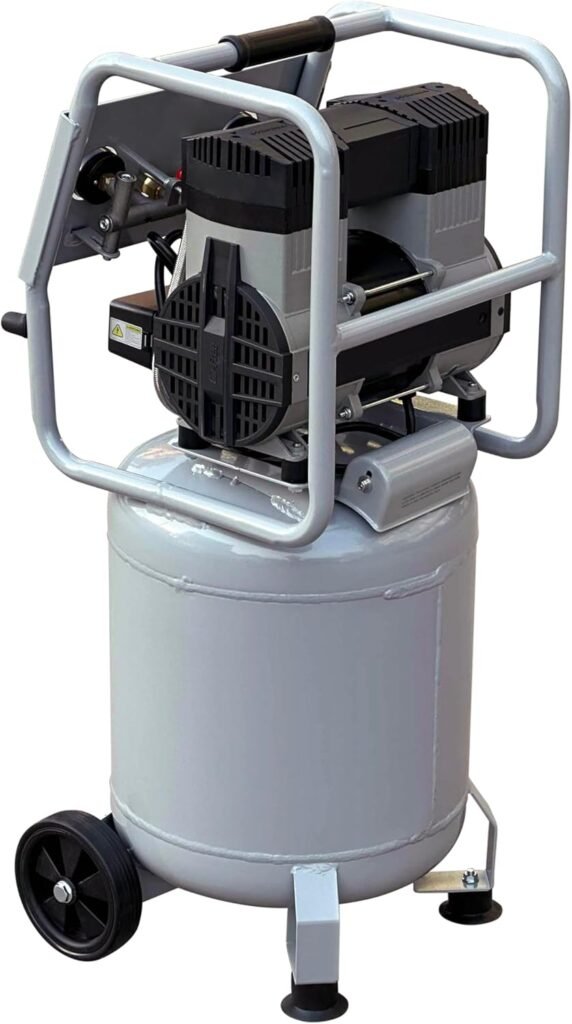
The steel tank adds a bit of weight, which helps keep the unit grounded and stable while running. Mobility is still handled by the wheels and handle, but when it’s parked and working, we appreciate the sense of sturdiness.
We always consider tank safety with any compressor: steel tanks, properly maintained and drained, have a long track record in many workshops and garages. That fits our comfort level for home and small shop use.
Portability and Wheels: Moving It Around the Workspace
Even with a 10-gallon tank, the compressor remains portable, thanks to the integrated wheels and a handle. This is important if we do not want a fixed compressor installation or if we work in different areas.
Getting Around the Garage or Jobsite
We find portability shines in these situations:
- Moving from one bay to another in a home garage
- Rolling between rooms during remodeling projects
- Shifting out of the way when we need workspace for large materials
The wheels handle typical workshop floors, and the footprint is fairly compact at 16″ x 15.1″, with a height of 35.9″, so it doesn’t dominate the space. It’s tall and narrow enough to tuck into a corner but sturdy enough not to feel wobbly.
Trade-Off Between Size and Portability
We’re always balancing tank size against mobility. A much larger tank would store more air but become harder to move. Here, we get a sweet spot: usable capacity without sacrificing the convenience of rolling it where we need it.
For those of us who don’t have a dedicated compressor room or a permanent installation, that mobility is a real advantage.
Easy Start Valve and Cold Weather Use
The Easy Start Valve is one of those subtle features that we might not notice on the first day, but we appreciate over time, especially if we work in climates with colder winters.
Reduced Starting Amps
By reducing the load on startup, the Easy Start Valve:
- Helps prevent tripped breakers
- Eases the stress on the motor and electrical system
- Enables more reliable starts in cold temperatures
Compressors can struggle when oil thickens or air density rises in the cold. Since this unit is oil-free and also has an Easy Start Valve, we are better positioned to use it in an unheated garage or workshop without winter frustrations.
Everyday Convenience
Even in mild weather, reducing starting amps is a plus. If we share a circuit with other tools or lights, this softer start makes our electrical system feel more stable. We do not want the lights dimming or breakers constantly popping just because the compressor kicked on.
Build Quality and Durability
We care about how a compressor is built because we expect to own it for years. The 10020C aims for durability through a combination of motor design, pump construction, and tank build.
Long-Life Pump and Solid Tank
The over 3000-hour life cycle on the dual piston pump is a promising sign. When we pair this with the steel tank, we get a machine that feels made for regular, long-term use rather than the occasional weekend task only.
We view this as a strong fit for:
- Enthusiasts who spend many hours each week on projects
- Small shops where several tools rely on the same compressor
- Home mechanics who regularly work on vehicles and equipment
It is not a giant industrial unit, but for its class, the build quality feels well-thought-out.
Less Wear Through Lower RPM
Another factor in durability is the 1680 RPM operating speed. Running the motor slower, combined with an oil-free design aimed at high life cycle, suggests that the manufacturer prioritized reliability and reduced wear, not just raw output.
We still need to follow basic care steps like draining the tank and keeping dust away from intake areas, but the design itself leans toward longevity.
Everyday Usability and User Experience
Specifications are one thing; living with the compressor day to day is another. We place a lot of value on how easy it is to work with over months and years.
Setup and First Use
Initial setup is straightforward:
- Position the compressor on a flat, stable surface
- Connect it to a properly rated power outlet
- Attach our air hose and any regulator or filter accessories we like to use
- Turn it on and let it fill the tank before starting our tools
The Easy Start Valve helps this first fill-up feel less dramatic electrically, and the 70 dBA noise level means we’re not immediately overwhelmed by sound during the initial run.
Controls and Maintenance
We find the controls intuitive, with clear gauges and typical fittings that match standard shop equipment. The oil-free design significantly reduces maintenance tasks; instead of worrying about oil levels or specialized lubricants, we mostly focus on:
- Draining the tank regularly (very important for longevity)
- Checking for air leaks in hoses and fittings
- Keeping the area around the unit reasonably clean
We appreciate that we can spend more time using the compressor and less time servicing it.
Pros and Cons: Honest Impressions
We like to summarize our impressions in a balanced way, because no tool is perfect for everyone. Here’s where we feel the California Air Tools 10020C shines and where it has limitations.
What We Appreciate Most
Some highlights that stand out strongly:
- Very quiet for a compressor (70 dBA), comfortable to use in shared spaces
- Oil-free dual piston pump for minimal maintenance and cleaner air
- Solid 2.0 HP motor with 1680 RPM for quieter, smoother operation
- 10-gallon steel tank that balances capacity and portability
- Easy Start Valve that reduces starting amps, especially useful in cold conditions
- Rated over 3000 hours life cycle for solid long-term durability
- Integrated wheels and handle that make moving it around fairly easy
- Suitable for a wide range of DIY, home, and small shop tasks
These strengths make it a strong candidate for users who value quiet operation, simple upkeep, and solid all-around performance.
Areas Where It May Not Be Ideal
We also notice a few limitations that matter for certain users:
- Not designed for heavy continuous industrial workloads or high-demand air tools
- 10-gallon capacity, while practical, is smaller than large stationary shop compressors
- For heavy automotive work or large sanding operations, we might wish for more CFM
- The steel tank and motor mean it is not featherlight; portability is good, but not effortless if we must lift it often
- Like any compressor of this capacity, it will still cycle and make noise, even if quieter than typical units
If our plans involve industrial-scale sandblasting, continuous use of multiple air-hungry tools at once, or very high CFM bodywork sprayers, we would likely be happier with a bigger, more powerful system.
Who This Compressor Suits Best
Different users have different needs, so we like to think through who benefits most from this kind of unit.
Homeowners and DIY Enthusiasts
For homeowners who want a serious yet manageable compressor, we see the 10020C as a strong match. It handles:
- Maintenance tasks like tire inflation and blowing out debris
- Home improvement projects using nailers, staplers, and light impact tools
- Occasional painting or staining projects (with proper regulators and filters)
Its quiet operation and minimal maintenance are appealing for those of us who do not want our entire home disturbed every time we turn on the compressor.
Hobbyists and Small Workshop Users
If we run a small woodworking shop, do light metalworking, or have a hobby garage, this compressor is often enough to keep our workflow comfortable. We can:
- Use brad nailers and finish nailers throughout the day
- Run blow guns and air tools intermittently
- Handle modest mechanical tasks on our own vehicles
We see this as a good central compressor for a single-person or small shared workshop, as long as we’re not running multiple large, air-hungry tools continuously.
Light Professional and Contractor Use
For small contractors, trim carpenters, or remodelers, the combination of:
- Portability
- Quiet operation
- 10-gallon capacity
makes the 10020C a compelling choice. It’s particularly appealing in occupied homes, offices, or retail spaces where noise can be a major concern. Clients and coworkers usually appreciate quieter equipment.
Use Cases: How It Fits Into Real Projects
We like to imagine specific scenarios to see where a tool fits into our workflow. The 10020C slots into several common situations.
In a Garage for Vehicle Maintenance
If we maintain our own vehicles, this compressor works nicely for:
- Inflating tires quickly
- Using a ½” impact wrench for lug nuts (in bursts)
- Cleaning engine bays and work areas with a blow gun
- Running smaller pneumatic tools for brake or suspension work
We just need to keep in mind that for long, continuous demand, the tank will cycle more often. For typical weekend mechanic work, this is not a big issue.
In a Woodshop for Trim and Cabinetry
For a woodworking space, we appreciate:
- Reliable power for finish nailers and brad nailers
- Enough air for pin nailers, staplers, and general cleanup
- Lower noise so we can keep conversations going or listen to instructions while working
We find it especially useful when doing interior trim in homes, where a quieter compressor is much less disruptive.
Around the House and Yard
For general home tasks, this unit is probably more power than we strictly need, but that gives us freedom to tackle more ambitious projects. Common uses include:
- Blowing out sprinkler lines (with care and proper adapters)
- Cleaning lawn equipment, mowers, and tools
- Powering air tools for small building or repair jobs
We like having one reliable compressor that can handle small and medium-sized jobs rather than buying multiple smaller units.
Noise and Comfort Over Long Sessions
We keep coming back to the 70 dBA figure because comfort during long work sessions affects how much we enjoy our projects.
Comparing to Typical Compressors
Most traditional air compressors can reach:
- 80–90 dBA or more
- Often high-pitched and harsh in tone
By contrast, a 70 dBA rating is more like:
- Normal conversation at a close distance
- A kitchen dishwasher or washing machine
We still hear it, but the tone is less aggressive, and we can keep working nearby without feeling assaulted by sound. Over a weekend or an all-day project, that difference matters.
Reducing Hearing Fatigue
Even with quieter operation, we still recommend hearing protection when working around any compressor for long stretches, but we feel less fatigue and stress when the base noise level is lower. For those of us who share space with others—family, pets, or coworkers—this design makes our workshop or jobsite more pleasant.
Maintenance and Longevity in Practice
One of the main reasons we choose an oil-free, dual piston compressor is to simplify our lives while still expecting long service life.
Routine Care We Still Perform
Even with an oil-free design, there are a few habits we maintain:
- Drain condensation from the tank regularly to avoid corrosion
- Check fittings and hoses for leaks if the compressor cycles more than usual
- Keep the area around the intake clean to limit dust
- Store the compressor in a relatively dry environment
These basic steps go a long way in preserving the tank and internal components.
What We Avoid with Oil-Free
Because the pump is oil-free, we do not need to:
- Monitor oil levels
- Buy compressor-specific oil
- Deal with oil changes or potential spills
For many of us, that alone is a major advantage, especially if we do not use a compressor every day and might forget maintenance intervals.
Value for Money
When we consider value, we look at what this compressor brings to the table in terms of features, comfort, and longevity.
Balancing Price, Performance, and Convenience
The 10020C is not the absolute cheapest compressor on the market, but:
- We get low noise, which many basic units do not offer
- The oil-free dual piston pump and long life cycle add durability
- The 10-gallon tank and 2.0 HP motor give us real working capability
- Mobility, quiet operation, and low maintenance create a user-friendly package
For anyone who expects to use a compressor regularly over many years, these benefits justify the investment. We are essentially paying for less frustration and better day-to-day experience, not just raw air capacity.
Long-Term Ownership Perspective
We see this unit as a long-term partner in our workshop rather than a disposable bargain tool. With proper care, it should serve us well for a long time. When we factor in fewer maintenance chores, quieter operation, and solid performance, the total value feels strong.
Final Thoughts: Is the California Air Tools 10020C Right for Us?
When we put everything together, the California Air Tools 10020C 2.0 HP Ultra Quiet and Oil-Free Air Compressor, 10 Gallon Steel Tank with Wheels, 70 dBA Noise Level stands out as a well-balanced choice for those of us who want:
- Enough power and capacity for most home, hobby, and light professional work
- A quiet, 70 dBA operation that is easy to live with in shared or indoor spaces
- An oil-free dual piston pump with a 3000+ hour life cycle
- A 10-gallon steel tank that offers a useful buffer of stored air
- Portability thanks to wheels and a compact footprint
- Easier electrical startup with the Easy Start Valve, especially in cooler weather
It is not designed to be the compressor for every heavy industrial job, but for the majority of home users, hobbyists, and small shops, it hits a very comfortable sweet spot. We get strong real-world usefulness, notably quieter operation, straightforward setup, and minimal maintenance requirements.
If our goal is to equip our workspace with a capable, long-lasting air source that does not make us dread the sound of it starting up, this model aligns well with those priorities.

Disclosure: As an Amazon Associate, I earn from qualifying purchases.