Have we ever wished our air compressor could be quiet, clean, and powerful enough for both wood painting and professional work without becoming a maintenance headache?

What Is the 980W Air Compressor Air Pump Inflatable Oil-free Wood Paint Spray Pump 30L 220V?
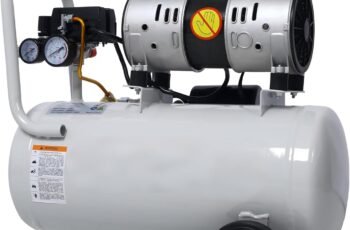
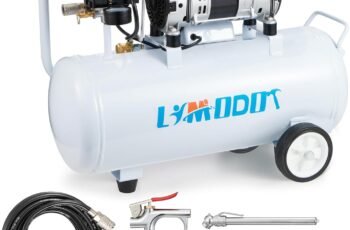
This 980W air compressor is an oil-free, 30L tank, 220V unit designed for clean and quiet compressed air. We can use it for wood paint spraying, inflation tasks, labs, dental clinics, and other applications where noise and oil contamination are big concerns.
Instead of relying on oil lubrication, this machine uses self-lubricating materials and a design that minimizes wear. The result is cleaner air output, easier maintenance, and a quieter work environment compared to traditional compressors.

Key Specifications at a Glance
To understand whether this compressor fits our needs, it helps to see the essentials in one place. The table below breaks down the standout technical aspects and usage highlights.
| Feature | Details |
|---|---|
| Power | 980W |
| Voltage | 220V AC |
| Tank Capacity | 30 liters |
| Lubrication Type | Oil-free (maintenance-light) |
| Noise Level | Around 50 dB after startup |
| Typical Use Cases | Wood paint spraying, inflating, labs, dental clinics, homes |
| Maintenance Needs | Weekly water check, yearly air intake filter change |
| Expected Design Life | Over 10 years (with normal use and basic care) |
| Key Component Origin | Critical moving parts imported from Germany |
| Air Quality | Oil-free, clean compressed air |
| Efficiency | About 2× output vs. traditional compressor of similar power |
| Suitable Locations | Residential, commercial, labs, hospitals, quiet workspaces |
This snapshot gives us a quick sense of where this compressor stands: powerful enough for serious tasks yet quiet and simple enough for indoor or semi-professional environments.
Design and Build Quality
The design focuses on durability and clean operation rather than being flashy. We get a sturdy 30L tank and a motor designed to run efficiently with minimal wear, thanks to its self-lubricating moving parts.
What stands out is that the key moving components are imported from Germany. This usually signals better precision and tighter tolerances, which in practical terms means fewer breakdowns, stable performance, and a longer usable life.
Construction Materials and Durability
This compressor is built around self-lubricating materials that reduce friction without requiring oil. That means we avoid messy leaks, burnt oil smell, and the need to constantly watch oil levels, which many of us associate with older compressors.
Because these parts hardly wear, the whole system is designed for a service life of more than 10 years. When we think about other budget compressors that start making strange sounds or lose pressure after a couple of years, a decade-long design life is impressive.
Compact 30L Tank Size
The 30-liter tank strikes an interesting balance. It is large enough to provide stable air pressure for tasks like paint spraying and inflating without the motor cycling on every few seconds, yet compact enough to fit in a small workshop, lab room, or utility corner.
For us, that means easier placement in shared spaces such as basements, small studios, or even a well-ventilated indoor room where noise and size would otherwise be a problem.
Oil-Free Operation: What It Really Means for Us
Oil-free sounds convenient, but it also affects performance and maintenance in real-world use. This compressor uses an oil-free design to deliver cleaner air and reduce servicing needs, especially in environments where we simply cannot risk oil contamination.
Because no lubricating oil is required, we never need to buy compressor oil or worry about whether we are using the right type or grade. The internal design takes care of friction with its self-lubricating parts, which is especially helpful for users who want a “set it and forget it” machine.
No Oil Changes, No Oil Leaks
Traditional compressors require regular checking and changing of oil. Neglecting that leads to overheating, wear, and ultimately failure. With this oil-free unit, we eliminate oil changes entirely and remove the risk of oil leaks staining floors or contaminating equipment.
This makes a big difference in clean or sensitive environments. If our compressor sits near electronics, lab benches, or dental chairs, the absence of oil reduces cleaning time, smell, and general mess.
Cleaner, Higher-Quality Compressed Air
Because the compressor is oil-free, the air output is free from oil aerosol and vapors that can otherwise travel down the air line. That has two big benefits:
- We get better finish quality when spraying wood paints or coatings because we are not blowing microscopic oil droplets onto our surfaces.
- We protect downstream devices (such as dental tools, lab equipment, and pneumatic valves) from clogging and degradation caused by oily residue.
For businesses like clinics or labs, this isn’t just a convenience; it directly supports compliance with hygiene and quality requirements.
Noise Level: Truly Quiet Operation
Noise is a major concern with most compressors. Many of us have experienced the piercing roar of a standard unit that makes conversation nearly impossible when it kicks in. This 980W oil-free compressor, however, runs at around 50 decibels after startup.
To put that noise level into perspective, 50 dB is comparable to a quiet office, a calm conversation, or a subdued residential background. The compressor does make sound, of course, but it is far from the harsh racket that older machines tend to generate.
Why Quiet Compressors Matter for Our Space
In shared buildings—offices, clinics, labs, or apartment spaces—noise complaints are a real issue. A loud compressor can:
- Disturb patients or clients in clinics.
- Interrupt research work in labs.
- Annoy neighbors in residential buildings.
- Make us more reluctant to run it as often as we need.
With this quieter model, we gain the freedom to run it more frequently without worrying about constantly disturbing others. It becomes far easier to integrate continuous compressed-air use into our daily workflow.
Power and Performance: 980W with Efficient Output
At 980W, this compressor offers a solid mid-range power level suitable for moderate to intensive tasks in small workshops, clinics, or labs. The manufacturer also emphasizes that its output is about twice that of a traditional compressor with similar power.
That efficiency matters because power alone doesn’t tell the whole story. What we care about is how much usable air we get at working pressure, and how fast the tank refills. This unit’s design focuses on converting more of that 980W into effective air delivery rather than waste heat and mechanical drag.
Comparing to Traditional Compressors
Traditional belt-driven, oil-lubricated compressors often lose efficiency due to friction, heat, and suboptimal internal designs. With this oil-free system, many of these losses are reduced.
In practical terms, we are likely to notice:
- Faster tank recovery times between spray sessions or tool use.
- Better stability in pressure for continuous tasks like spraying.
- Less frequent cycling on and off, assuming similar workloads.
While we always need to check actual airflow ratings for our exact tools, the claim of roughly double efficiency versus similar power class oil-based units suggests a compressor that punches above its wattage on paper.
Long Service Life and Reliability
One of the most compelling claims about this product is its expected design life: more than 10 years with basic care. That is built on two pillars: imported high-quality moving parts and self-lubricating materials that drastically reduce wear.
The fewer friction points we have, and the more stable those parts are at operating speeds and temperatures, the lower our risk of premature failures—such as seized pistons, broken seals, or damaged valves.
Self-Lubricating Materials and Key Moving Parts
By using self-lubricating materials, the compressor avoids continuous reliance on added oil, which can degrade over time. The moving parts from Germany suggest higher tolerance precision, and that precision typically translates into:
- Smoother operation.
- Lower noise.
- Less internal vibration.
- Reduced risk of thermal hotspots.
All of these help extend the machine’s life. Over a decade, that adds real value compared with replacing a cheaper, noisy unit every few years.
Maintenance: Simple and Low-Cost
Instead of frequent oil checks and detailed servicing schedules, this compressor centers maintenance on two primary actions: adding water weekly and changing the air intake filter about once a year.
We do not have to be mechanical experts. The routine is simple enough that we can incorporate it into a regular cleaning or inspection cycle without much effort.
Weekly Water Check
This product mentions that we only need to “turn on the water” once a week. In practical terms, this likely relates to checking or draining condensation and ensuring any associated water management feature is functioning correctly.
Compressors naturally generate moisture, and letting that accumulate can cause corrosion, water in air lines, and poor performance. A quick weekly check or drain is enough to prevent these issues, which is far easier than servicing oil-based systems regularly.
Yearly Air Intake Filter Change
The second primary maintenance task is replacing the intake filter cartridge once a year. This simple part prevents dust and particulates from entering the compressor and being compressed along with the air.
By swapping it yearly, we:
- Keep internal components cleaner.
- Extend the life of valves, seals, and cylinders.
- Maintain consistent air quality, especially in clinical or lab settings.
The cost of a filter is relatively low compared with oil purchases, technician visits, or early replacement of worn-out machines.
Air Quality: Meeting High Standards
Oil-free compressed air is particularly important in environments where air touches patients, samples, or finished surfaces. This compressor is marketed as suitable for dental clinics and laboratories—two sectors with strict quality expectations.
Since there is no oil in the compression chamber, the risk of oil contamination in outgoing air is essentially removed. That means our air tools, paint sprayers, and lab apparatus receive clean air, which protects both the equipment and the end results.
Why Oil-Free Air Matters for Dental Clinics
In dental clinics, compressed air is commonly used to power:
- Dental handpieces and drills.
- Air syringes for drying teeth.
- Cleaning instruments.
If oil were present in the air, it might contaminate instruments, affect sanitation protocols, or introduce unpleasant smells. This oil-free unit improves hygiene and reduces the chance of leaving oily residues on tools, surfaces, or even in patients’ mouths.
Why Oil-Free Air Matters for Laboratories
Laboratories often use compressed air for:
- Driving pneumatic valves and actuators.
- Cleaning and drying glassware or components.
- Supporting analytical instruments that rely on clean gas sources.
Oil in the air line can damage sensitive instruments, alter experimental conditions, or even compromise data quality. Because this compressor eliminates oil carryover, labs can trust it more in processes where air cleanliness is critical.
Use Cases: Where This Compressor Fits Best
This model is surprisingly flexible. It is clearly intended for use beyond a basic home garage, but it is not restricted to industrial-scale setups either. We can treat it as a bridge between professional and prosumer use.
Wood Paint Spraying and Finishing
The product is labeled specifically for wood paint spray pumping. That indicates it can deliver stable, clean pressure for spray guns and finishing tools, which is crucial for high-quality coats on furniture, cabinetry, doors, and trims.
With oil-free compressed air, we can reduce fish-eye defects, random oil spots, or surface irregularities that might otherwise appear in our finishes. The moderate noise level also allows us to keep this compressor fairly close to our spray area without making it unbearable to work nearby.
Inflating Tires, Boats, and Inflatables
Though the name may sound specialized, the compressor can still perform everyday inflation tasks:
- Vehicle and bicycle tires.
- Air mattresses and camping gear.
- Small inflatables and recreational items.
The 30L tank capacity helps us inflate multiple items in succession without long delays. For home use or light workshop settings, the combination of power and quiet operation makes these routine tasks more pleasant.
Professional and Semi-Professional Workspaces
Because it satisfies cleanliness and noise criteria, this compressor fits naturally into:
- Dental practices seeking oil-free, quiet air.
- Small labs needing compressed air without installing a large centralized system.
- Workshops where we want continuous air for tools without overwhelming noise.
It’s especially attractive where space and noise are limited but demands are more serious than what tiny hobby compressors can handle.
Suitability for Commercial and Residential Buildings
The product description highlights commercial buildings, residential buildings, labs, and hospitals. All of these have something in common: noise and cleanliness restrictions.
With roughly 50 dB noise and oil-free air, we can install this compressor in environments where traditional units would either be banned or require expensive soundproofing and oil management.
Using It in Residential Spaces
In apartments or houses with thin walls, running a loud compressor can quickly invite complaints. A quieter, 50 dB-level device is far easier to accommodate, especially during daytime hours.
We could use it for woodworking in a garage, small paint or craft projects, or general inflating without drawing intense attention or disturbing neighbors, as long as we still follow local noise regulations.
Using It in Clinics and Hospitals
Clinics and hospitals demand calm, quiet surroundings, and strict hygiene. An oil-free compressor that produces clean air and maintains a low acoustic profile is a valuable addition.
We can place it in a utility area or adjacent room and still benefit from reliable compressed air without major disruptions to patients or staff. For facilities not equipped with a central medical gas system, this type of compressor can fill the gap for non-critical compressed air tasks.
Energy Efficiency and Operating Costs
Beyond purchase price, we need to think about the cost of running this compressor. The manufacturer emphasizes that, for the same power input, this silent oil-free unit produces roughly twice the output of a traditional one.
Even if real-world results vary slightly, improved efficiency means:
- Lower electricity consumption for a given amount of air.
- Less wasted energy in the form of heat and vibration.
- Potentially lower long-term operating expenses.
When we pair this with the savings from not buying compressor oil and not needing frequent repairs, total ownership cost becomes a strong point in this compressor’s favor.
Comparing Long-Term Costs
If we compare a traditional compressor and this oil-free unit over 5–10 years, we should consider:
- Oil purchases and disposal.
- Technician service calls.
- Parts replacement due to wear.
- Downtime during repairs.
- Electricity usage at similar workloads.
Even if the upfront cost is slightly higher for oil-free technology, the reductions in service and consumables often compensate over time. For clinics and labs, the added benefit of maintaining air quality without costly filtration can be especially significant.
Ease of Use for Everyday Users
One of the ongoing frustrations with many compressors is that they feel designed for technicians rather than regular users. By removing oil maintenance, simplifying routine tasks, and reducing noise, this compressor aims to be more approachable.
We merely have to remember a weekly water-related check and an annual filter replacement. Pressure adjustment, on-off control, and monitoring gauges are straightforward and similar to other standard compressors.
Setup and Installation Considerations
As a 220V unit, we need to confirm that we have the correct power supply and outlet. In many regions, 220V is standard, but if we are in a 110–120V environment, we would likely require a suitable transformer or a dedicated circuit installed by an electrician.
Placement should consider:
- Adequate ventilation for heat dissipation.
- A flat, stable surface for the 30L tank.
- Accessible access to the intake filter for future replacement.
- Reasonable proximity to where we will use air tools or spray guns.
Once placed, connection to our tools should be similar to other compressors: simply attach the appropriate hose and fittings, set our working pressure, and we are ready.
Benefits and Drawbacks
No compressor is perfect for everyone. This model has clear strengths, but there are also considerations that may make it more or less suitable for our specific situation.
Main Advantages
We gain several clear benefits with this product:
- Quiet operation around 50 dB: Suitable for noise-sensitive environments.
- Oil-free design: No oil changes, no oil leaks, and cleaner air.
- Clean compressed air output: Well-suited for dental clinics, labs, and high-finish wood painting.
- Long design life (10+ years): Self-lubricating parts and quality components.
- Simple maintenance: Weekly water check and annual intake filter change.
- Energy-efficient: Claims of about twice the output of traditional compressors with similar power.
- Versatile 30L tank: Good balance between capacity and compactness.
These advantages make the compressor attractive to users who care about cleanliness, quietness, and long-term value rather than just upfront cost.
Potential Limitations
We should also keep the following potential drawbacks in mind:
- 220V requirement: Not plug-and-play in all regions without appropriate electrical infrastructure.
- Tank size limitation: While 30L is versatile, heavy industrial use or large continuous-air systems might need more capacity.
- Higher initial cost: Oil-free, quiet compressors are often more expensive upfront than traditional noisy units in the same performance range.
- Airflow specifics: For very air-hungry tools (large sanders, certain industrial sprayers), we must confirm the airflow capacity to avoid underperformance.
If we primarily do heavy industrial work with high-demand tools or run multiple workstations at once, we might need a larger, more specialized system, potentially in addition to this unit.
Who Is This Compressor Best For?
This compressor is particularly well-suited for users who must balance performance, cleanliness, and peace of mind. It is ideal for us if we fall into one of these categories:
- Dental practices looking for quiet, oil-free compressed air for tools and cleaning.
- Labs that require clean air but do not have centralized gas systems.
- Serious hobbyists or small workshops that do wood paint spraying, moderate pneumatic tool use, and want a clean, quiet environment.
- Clinics, offices, and residential users needing compressed air without disruptive noise or oil mess.
If our needs are mainly occasional inflating and light DIY work in a garage, this compressor may feel more advanced than strictly necessary, but its quietness and low-maintenance design still offer real comfort benefits.
Real-World Scenarios: How We Might Actually Use It
To picture how this compressor fits our routine, it helps to walk through a few realistic examples and how the machine’s features make a difference.
Scenario 1: Small Woodworking Studio
We run a small woodworking studio in a shared building. We spray finish on cabinets and furniture several times per week, and we want smooth, clean coats without interrupting our neighbors with ear-splitting noise.
With this 980W oil-free compressor:
- We can set it up in a nearby corner and let it run while we spray.
- The roughly 50 dB noise level allows us to hold a conversation and avoid complaints.
- Oil-free air protects our finishes from blemishes caused by oil contamination.
- We only need to remember the weekly water check and annual filter swap.
In this scenario, the combination of quiet operation and clean air can significantly improve both professional results and our daily comfort.
Scenario 2: Dental Clinic
We run a small dental clinic with a few chairs and need reliable compressed air for tools and cleaning. We cannot risk oily air or disruptive noise for patients in adjacent rooms.
With this compressor:
- We get oil-free air, reducing contamination risks for instruments and patient-facing devices.
- The quiet sound profile is less likely to scare or disturb patients.
- Maintenance is simple, so we do not need on-site technical staff just to keep the compressor running.
This helps us maintain a professional atmosphere while meeting functional requirements for compressed air.
Scenario 3: Home Workshop and Garage
We maintain a compact home workshop and want a single compressor that can handle tire inflation, occasional spray painting, and general compressed air tasks without waking the entire household.
Using this unit:
- We can inflate car and bike tires quickly and quietly.
- We can spray small to medium wood projects with confidence in the air quality.
- We avoid oil checks, spills, and the smell of burnt oil in a confined garage.
We get a quieter, cleaner experience that feels more compatible with residential life.
How This Compressor Compares Conceptually to Others
Rather than naming specific competing models, we can think in categories:
- Traditional oil-lubricated compressors: Typically cheaper upfront but louder, messier, and more demanding to maintain. Better suited to industrial workshops that are already noisy and less concerned with oil carryover.
- Small hobby compressors: Often quiet but underpowered with tiny tanks. Fine for occasional inflating, not ideal for spraying or professional tasks.
- Medical or lab-grade systems: Very high-end and expensive, usually centralized and overkill for many small clinics or labs.
This 980W oil-free 30L model sits in a sweet spot between hobby and fully industrial: quiet, cleaner, and more professional than basic units, yet not as complex or expensive as full medical systems. That makes it a compelling choice when we need reliability, cleanliness, and reasonable power in a compact package.
Final Thoughts: Is the 980W Air Compressor Air Pump Inflatable Oil-free Wood Paint Spray Pump 30L 220V Worth It?
If we prioritize quiet operation, clean compressed air, and straightforward maintenance, this compressor offers a strong value proposition. We gain:
- Oil-free, high-quality air suitable for clinics, labs, and wood finishing.
- A moderate noise level around 50 dB, making it far more pleasant to live and work with.
- Energy-efficient performance that can reduce operating costs over time.
- A long design life built around self-lubricating, high-quality moving parts.
- Simple upkeep requirements focused on a weekly water check and an annual intake filter change.
We should still confirm that our power supply matches the 220V requirement and that the airflow meets the needs of any particularly demanding tools. For most small clinics, labs, workshops, and serious home users, though, this model offers a smart blend of performance, cleanliness, and comfort that many traditional compressors struggle to match.

Disclosure: As an Amazon Associate, I earn from qualifying purchases.