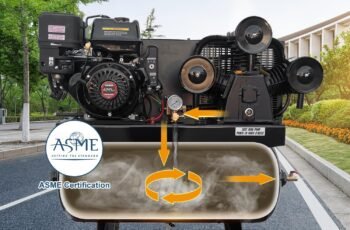
Have we ever wished our workshop, garage, or DIY space could stay quieter while still giving us powerful, reliable compressed air?

What Makes This 8 Gallon Ultra Quiet Air Compressor Stand Out?
When we look at an air compressor, we usually care about power, noise, durability, and ease of use. This 8 Gallon Ultra Quiet Air Compressor, 1.5HP, 4.52 CFM, max 115 PSI promises to balance all of that in a compact, portable package.
We get a unit that is designed to be quiet enough for indoor use, powerful enough for serious tasks like car repair and spray painting, and still manageable for home users who want something easy to move and maintain.
Key Specifications at a Glance
Sometimes it helps to see the core specs laid out clearly. This compressor brings together a solid motor, decent tank size, and low-noise design to cover a wide range of tasks.
Here’s a simple breakdown of the main features:
| Feature | Specification |
|---|---|
| Tank Capacity | 8 Gallons |
| Motor Power | 1.5 HP (oil-free) |
| Air Delivery | 4.52 CFM |
| Maximum Pressure | 115 PSI |
| Voltage/Frequency | 110V / 60Hz |
| Noise Level | Up to 70 dB |
| Motor Speed | 3450 RPM |
| Fill Time (Empty to Max) | About 90 seconds |
| Tank Material | Q235B structural steel with anti-rust and wear-resistant coatings |
| Cooling | Two large cooling fans |
| Protection | Overheating protection, overpressure shutdown, pressure relief |
| Intake Design | Single tube, double cylinder, stainless steel braided + silicone intake pipe |
| Mobility | Handle and wheels for portability |
| Typical Uses | Car repair, spray painting, woodwork nailing, general shop and home use |
These numbers help us quickly see that this is not a tiny, underpowered unit, yet it stays compact and user-friendly enough for non-professional settings.
Design and Build Quality
The overall design aims to balance toughness with portability. We get an 8-gallon tank sized just right for many tasks without becoming too heavy to move around, and the handle plus integrated wheels make it practical in real-world use.
The tank itself uses Q235B structural steel, coated with an anti-rust and wear-resistant layer along with a plastic powder adhesion layer. This combo gives us both structural strength and protection from moisture, scratches, and general wear.
Materials and Construction
Here we see a focus on durability and safety. Q235B structural steel is a commonly used high-strength material, and adding the anti-rust and protective coatings reduces the chances of long-term corrosion or weak spots.
The tank features seamless welding, which is crucial for pressure vessels. Seamless welds reduce the risk of leaks, cracks, and structural failures, especially when the tank is repeatedly pressurized and depressurized over years of use.
Safety-Oriented Tank Design
The manufacturer states the tank can withstand up to 3.5 MPa of pressure (well above the 115 PSI working pressure). That gives us a healthy safety margin built into the system.
For us as users, that means we get added peace of mind—especially if we run the compressor often, store it in a garage that may get hot or cold, or use it for demanding tasks over longer periods.
Noise Level: Ultra Quiet 70 dB Operation
Noise is one of the biggest pain points with many air compressors. This unit focuses heavily on being quiet enough to use indoors or in shared spaces.
At around 70 dB, the sound level is closer to that of a normal conversation or a household vacuum than a traditional shop compressor. We still hear it running, but we are not shouting over it or feeling that harsh mechanical roar.
Why 70 dB Actually Matters
A quieter compressor lets us work longer without fatigue. If we are in a home garage with neighbors nearby, in a small workshop, or even in a basement or utility room, noise levels matter a lot.
The dual silencer system, using a thickened muffler and filter cotton, helps bring the sound down. This design not only reduces noise but also filters out fine dust from entering the intake, which supports cleaner, longer-lasting performance.
Where Quiet Operation Makes a Real Difference
We especially notice the lower noise when:
- We are using nail guns in a woodshop where we want to hear each other talk.
- We are working in a garage late in the evening and do not want to disturb others.
- We are using air tools indoors or close to living areas.
We might still choose to wear hearing protection for very long sessions, but 70 dB is far more comfortable than the harsh noise of many standard compressors.


Performance: Power, CFM, and Pressure
Beyond quiet operation, what really matters is how the compressor performs under load. This model’s 1.5 HP motor and 4.52 CFM output at up to 115 PSI give us a versatile setup for many tasks around the home or small shop.
We are not getting industrial-level output, but we are getting a strong balance between performance and portability and a good match for most DIY and light professional uses.
CFM and PSI: What We Can Actually Run
With 4.52 CFM and 115 PSI max, we can comfortably run many common air tools, especially those that require intermittent use rather than constant full-flow operation.
Typical compatible tasks include:
- Car repair tasks: inflating tires, using small impact wrenches (intermittently), air ratchets, blow guns.
- Spray painting: small to mid-sized projects with HVLP or conventional spray guns that fall within the CFM range.
- Woodwork nailing: brad nailers, finish nailers, and even framing nailers, especially for on-and-off firing.
- General shop use: dust blowing, inflating sports equipment, light pneumatic tools.
We simply need to match our air tools’ CFM requirements with the compressor’s 4.52 CFM rating. For short bursts, this compressor performs very well; for constant, heavy-duty air-hungry tools, the tank may need occasional recovery time.
Fast Tank Fill Time
One of the standout performance metrics is the ability to fill the 8-gallon tank from empty to max pressure in about 90 seconds. That quick refill time is a big plus when we are cycling through tasks that repeatedly draw down the tank.
Instead of waiting several minutes for the tank to recharge, we can stay productive with relatively minimal downtime. That’s especially useful during:
- Repetitive nailing in woodworking.
- Extended spray painting sessions with pauses.
- Regular inflating and deflating jobs.
Oil-Free Operation and Maintenance
This compressor uses an oil-free motor and pump design, which eliminates the need to add or change lubricating oil. For many of us, that is a huge convenience and also reduces mess and long-term maintenance costs.
We still need to follow basic upkeep practices, but the oil-free design simplifies the ownership experience and helps us get to work quicker without worrying about oil levels or contamination.
Benefits of Oil-Free Design
With oil-free technology, we gain several advantages:
- Less maintenance: No oil checks, no oil changes.
- Cleaner air output: Reduced risk of oil mixing with air, which matters for painting and clean finishing work.
- Better for occasional users: If we use the compressor irregularly, we do not need to worry about forgotten oil servicing.
- Easier storage: No oil to leak or degrade during long periods of non-use.
For painting, finish carpentry, or any application where clean, dry air is important, oil-free design helps reduce potential contamination.
What Maintenance Is Still Needed?
Even oil-free compressors require some basic care. For this unit, we still want to:
- Drain condensation from the tank regularly to prevent internal rust.
- Keep the intake and filter area free from heavy dust buildup.
- Check hoses and fittings for leaks or wear.
- Ensure the cooling fans and vents are unobstructed.
With these simple steps, we can extend the life of the compressor and maintain its performance over time.
Intake System and Airflow Efficiency
The compressor uses a single tube with a double cylinder intake system, designed to save time and effort through more efficient air intake.
This configuration helps the compressor pull in air effectively and compress it quickly, contributing to the fast 90-second fill time and consistent pressure output.
High-Temperature Resistant Intake Pipe
The intake pipe is made from high-temperature resistant silicone combined with stainless steel braided mesh. We get double protection: the silicone withstands heat from extended operation, and the braided stainless steel mesh reinforces the pipe and protects it from physical damage.
This design benefits us by:
- Reducing the risk of cracking, melting, or deforming under heat.
- Guarding against abrasion or accidental impact around the workshop.
- Improving long-term durability of one of the key airflow components.
What That Means for Daily Use
With a robust intake system, we can run the compressor for longer sessions with less worry about heat-related failures or leaks. The unit can better handle frequent start-stop cycles and continuous workdays in DIY or small shop environments.
We simply get more confidence that the core components responsible for pulling in air are built to last.
Intelligent Safety Features
Safety is built into several levels of this compressor’s design. From cooling fans to automatic shutoffs, we’re getting a machine that does a lot of self-protection work on our behalf.
This not only protects the compressor itself but also helps protect us and our workspace from potential hazards like overheating, overpressure, and component failure.
Cooling System and Overheating Protection
The compressor uses two large cooling fans to dissipate heat from the motor and pump assembly. That matters because compressors generate a lot of heat under continuous use, and poor cooling can quickly lead to premature wear or shutdowns.
On top of this, there is automatic overheating protection. If the internal temperature exceeds a safe level, the system can shut down to prevent damage. We benefit from:
- Longer motor and pump life.
- Reduced risk of sudden failures.
- Better reliability during longer working sessions.
Automatic Shutoff and Pressure Control
When internal pressure or current becomes too high, the compressor is designed to automatically shut off or trigger pressure relief. That keeps the unit within safe working limits and helps prevent:
- Tank overpressure.
- Electrical overload.
- Unsafe operating conditions.
Additionally, when tank pressure drops below about 70 PSI, the motor automatically restarts and runs for roughly 33 seconds to rebuild pressure. This automated control gives us a smoother experience—air is available when we need it, and the compressor manages itself in the background.

Portability and Ease of Use
This compressor is meant to be moved around. The 8-gallon tank strikes a nice balance between capacity and maneuverability, making the unit manageable for most adults to position around a garage, driveway, workshop, or job site.
The wheels and handle help us roll it rather than lift it, and the relatively compact form factor makes it easier to store when space is limited.
Moving It Around the Workspace
We can roll the compressor from task to task rather than running long hoses all over the area. When we are working on:
- One side of a car, then the other.
- Different corners of a woodworking shop.
- Various rooms for trim nailing or painting.
Having a unit that can be repositioned quickly is a meaningful convenience. We simply grab the handle, tilt slightly, and wheel it where we need it.
Simple Controls and Operation
The pressure is adjustable from 0 to 115 PSI, so we can dial in the right setting for the job. Basic controls and clear gauges help us:
- Monitor tank pressure.
- Adjust output to match our tools.
- Start and stop the compressor as needed.
We appreciate when a tool does not demand a long learning curve, and this compressor is straightforward to use even if we are not professionals.
Use Cases: Where This Compressor Really Shines
Different users have different needs. This model is especially well-suited for home garages, hobby shops, small contractor work, and general maintenance environments that benefit from lower noise and reliable performance.
Let’s look at some of the most natural scenarios where this compressor can fit into our daily projects.
Car Repair and Automotive Tasks
For car repair work, we often need a mix of inflating, blowing, and occasional tool use. This compressor handles:
- Tire inflation quickly and easily.
- Blow guns for cleaning off brake parts, engine bays, or workbenches.
- Light to medium-duty air tools like impact wrenches (for shorter bursts), air ratchets, and small grinders.
Because it is quieter, we can use it in a garage attached to the house without causing as much disturbance. The 8-gallon tank and 4.52 CFM rating give us enough capacity for common automotive jobs without going overboard.
Spray Painting and Finishing
For spray painting, consistent pressure and reasonably clean air are essential. The oil-free design and 115 PSI max pressure are good advantages here, especially when used with a suitable paint gun matched to the unit’s CFM rating.
We can use it for:
- Painting auto parts, panels, or small vehicle sections.
- Finishing furniture and cabinets.
- Applying primer, clear coats, or touch-up paint.
We should always check the spray gun’s CFM requirements, but for most light to medium paint tasks, this compressor provides solid support. The quiet operation is also appreciated during long, careful painting sessions.
Woodwork Nailing and Carpentry
In woodworking, nail guns are some of the most common pneumatic tools. This compressor works very well with:
- Brad nailers for trim and molding.
- Finish nailers for cabinets and built-ins.
- Framing nailers for structural work (especially when firing intermittently rather than continuously).
The relatively quiet operation lets us work in workshops near living spaces without creating a constant echo of compressor noise. Fast recovery time helps when we are firing a lot of nails and need the tank to recharge quickly between bursts.
General Home and Shop Tasks
Beyond specific trades, we can put this compressor to use in many everyday situations:
- Inflating bike tires, sports balls, and inflatable toys.
- Blowing dust out of computer cases, filters, and equipment.
- Powering light-duty air tools when needed.
- Doing seasonal maintenance work around the house.
Because the unit is easy to roll and plug into a standard 110V outlet, it becomes a general-purpose helper that we can rely on in many situations.
Pros and Cons of the 8 Gallon Ultra Quiet Air Compressor
Every tool has strengths and limitations. It helps to see both sides clearly so we know whether this compressor fits our specific needs and expectations.
Advantages We Can Appreciate
Here are some of the main positives we get with this compressor:
-
Quiet operation (around 70 dB)
Much easier on our ears than traditional loud units, especially indoors. -
Fast tank fill (about 90 seconds)
Limits downtime and keeps workflow moving smoothly. -
Oil-free design
Low maintenance, no oil changes, cleaner air output for painting and finishing. -
Durable tank and construction
Q235B structural steel, anti-rust coatings, and seamless welding for longevity. -
Solid performance
1.5 HP motor, 4.52 CFM, and 115 PSI max for a wide variety of tools and tasks. -
Safety features
Dual cooling fans, automatic overheating protection, and pressure relief/shutoff. -
Portable
Handle and wheels make it easy to move around the garage, shop, or job site. -
Dust-filtering silencers
Lower noise plus a cleaner intake to help extend component life.
Limitations to Keep in Mind
We also want to be honest about where the compressor has limits:
-
Not for very high CFM industrial tools
Heavy sanders, large grinders, and continuous-use professional spray systems may overwhelm the 4.52 CFM capacity. -
8-gallon capacity still mid-sized
Larger jobs might require some patience while the tank refills if we are using high-demand tools. -
Requires proper power source
It runs on standard 110V/60Hz, which is convenient, but we should avoid long, thin extension cords that can cause voltage drops. -
Still produces noticeable sound
Although quieter than most, 70 dB is not silent; we still hear it, especially in very small spaces.
Understanding these points helps us decide whether this unit fits the way we actually work, and how often and how hard we plan to use it.
Tips for Getting the Best Results
We can get a lot more out of this compressor if we follow a few simple best practices. These do not require deep technical knowledge, just a bit of awareness and regular habit.
Proper Setup and Operation
When we set up the compressor, we want to:
- Place it on a flat, stable surface with good airflow around it.
- Avoid tightly enclosed spots where heat and noise can build up.
- Use a properly rated power outlet and avoid overly long or thin extension cords.
We should also regularly glance at the pressure gauge to ensure the unit is operating within expected limits and that the automatic shutoff responds properly as the tank fills.
Matching Tools and Accessories
To keep everything running smoothly:
- Check the CFM requirements of our air tools and try to stay within the compressor’s capability.
- Use appropriate hoses and quick-connect fittings rated for the pressure we expect.
- Consider adding a separate moisture filter and regulator, especially for spray painting and sensitive air tools.
By pairing the compressor with the right accessories, we get cleaner, more stable air delivery and better tool performance.
Longevity and Reliability
The combination of durable materials, smart safety systems, and oil-free design suggests that this compressor is built with long-term use in mind—especially for home and light professional environments.
We can extend that life further by respecting its limitations and doing modest maintenance.
How to Help It Last Longer
A few habits make a big difference over the years:
- Drain the tank after each major use session to remove water condensation.
- Keep vents and fans clear of dust, rags, or debris so it can cool properly.
- Inspect hoses and fittings periodically for leaks, cracks, or wear.
- Listen for unusual noises that might indicate a loose part or developing issue.
With these practices, we can expect more years of reliable use from the compressor, even if we are fairly frequent users.
Who This Compressor Is Best For
Different buyers look for different things. This 8 Gallon Ultra Quiet Air Compressor is a sweet spot for certain types of users rather than a one-size-fits-all industrial workhorse.
We might be the right audience if we:
- Run a home garage and want a quiet, capable compressor for car maintenance and repair.
- Have a woodworking shop where we use brad and finish nailers, plus occasional other air tools.
- Do spray painting or finishing on furniture, cabinetry, or auto parts and want cleaner air with less noise.
- Need a general-purpose compressor for inflating, cleaning, light tools, and maintenance jobs around the house.
- Prefer a low-maintenance, oil-free design that is easy to own and operate.
If our needs center on heavy, constant industrial work with very high CFM tools, we might want something larger and more powerful. But for most homeowners, hobbyists, and light pros, this unit offers a well-balanced mix of performance, quiet operation, and portability.
How It Compares to Smaller and Larger Compressors
When we look at the compressor market, we often see very small “pancake” units on one side and big stationary shop compressors on the other. This 8-gallon, 1.5 HP model lands right in the middle.
Compared to smaller pancakes (e.g., 1–3 gallon):
- We get more sustained runtime.
- Fewer interruptions for refilling.
- Better support for tools that need moderate airflow.
Compared to large stationary units (e.g., 20+ gallon with 2–5 HP motors):
- We get much better portability.
- Lower power demands (standard household circuit).
- A quieter experience with less shop infrastructure required.
This in-between category is precisely where many home shops and mobile users find the best balance between capability and practicality.
Day-to-Day Experience Using the Compressor
In regular use, what stands out is the combination of quietness and responsiveness. The compressor starts, fills quickly, and then cuts off as it should. We hear it, but it is not dominating the entire environment.
When we hook up nailers, blow guns, or inflation tools, the compressor keeps pace comfortably. During more demanding spray painting or air tool usage, we may notice it cycling more often, but it responds briskly thanks to the strong motor and efficient intake system.
We do not fuss with oil or complex settings. Instead, we just adjust pressure, monitor the gauge, and let the automatic controls handle the rest.
Final Thoughts: Is This 8 Gallon Ultra Quiet Air Compressor Worth It?
Looking at everything together, this 8 Gallon Ultra Quiet Air Compressor, 1.5 HP, 4.52 CFM, 115 PSI, oil-free tank stands out as a smart choice for anyone who cares about:
- Keeping noise under control.
- Having enough power for meaningful tasks.
- Minimizing maintenance.
- Enjoying durability and safety in a compact form.
We get a compressor that:
- Works very well for car repair, spray painting, and woodworking nailing.
- Runs at a relatively quiet 70 dB, making indoor use more comfortable.
- Fills quickly, so we are not stuck waiting on the tank.
- Protects itself and us with overheating and overpressure safeguards.
- Provides long-term durability through robust materials and coatings.
If our goals include building a more capable home workshop, running a quieter garage, or handling a range of air-powered tasks without stepping up to industrial equipment, this model offers a compelling mix of features and practicality.
We simply need to match it with the right tools and expectations, and it becomes a reliable, user-friendly part of our daily projects and repairs.

Disclosure: As an Amazon Associate, I earn from qualifying purchases.