Have we ever wished our air compressor could be powerful, quiet, and low-maintenance all at once?

What This 40L/10.57 Gal Air Compressor Actually Is
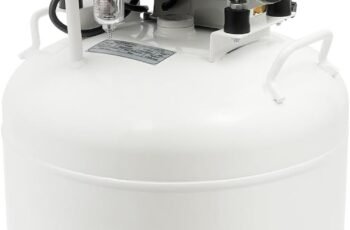
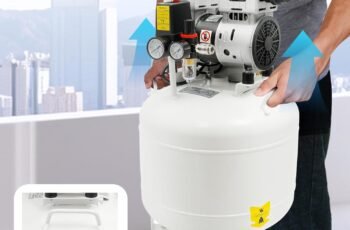
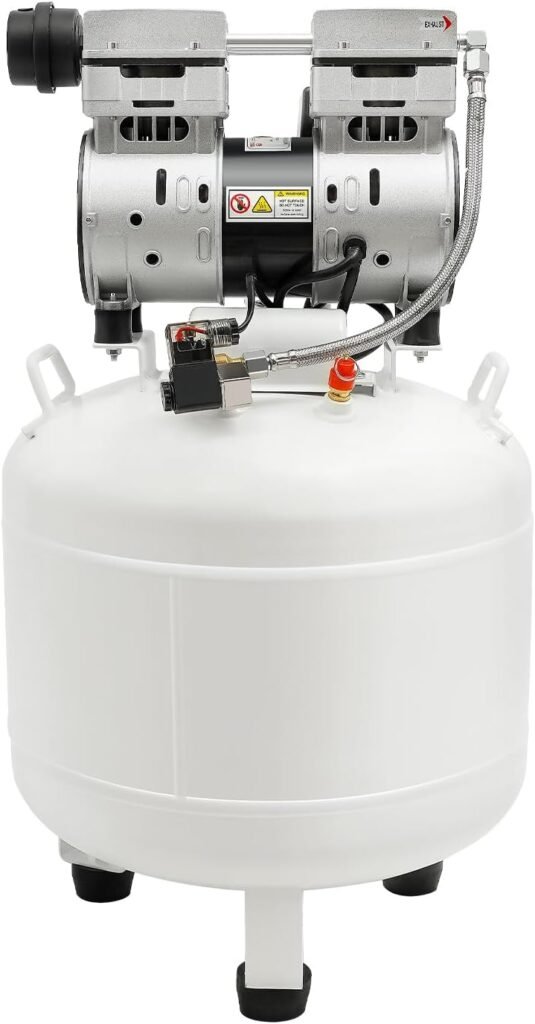
This 40L/10.57 Gal Air Compressor is a 750W, oil-free, portable unit designed for a wide range of home and light commercial tasks. We get up to 115 PSI of pressure, a generous 40-liter (10.57-gallon) tank, and low noise levels around 65 dB. It’s built to handle tire inflation, woodworking tools, small spray guns, nail guns, and general shop or household work.
Instead of relying on oil-lubrication, it runs oil-free, which means simpler maintenance and cleaner air output for our tools. With the included pressure gauge, muffler, oil-water separator, and safety features, it aims to offer a balance of performance, convenience, and user comfort.
Key Specifications at a Glance
To get a better sense of what we’re dealing with, here’s a quick reference table summarizing the core specs and features.
| Feature | Specification / Detail |
|---|---|
| Tank Capacity | 40L / 10.57 Gallons |
| Motor Power | 750W |
| Maximum Pressure | 115 PSI |
| Noise Level | About 65 dB |
| Compressor Type | Oil-free, oilless pump |
| Power Source | Electric (standard household use) |
| Portability Features | Top handle, shock-absorbing foot pads |
| Safety Features | Thermal protection, built-in solenoid valve, efficient heat dissipation |
| Pressure Monitoring | Dual pressure gauges (tank and output) |
| Air Quality Features | Oil-water separator for cleaner air |
| Typical Uses | Tire inflation, woodworking, home decorating, cleaning, nail guns, spray guns |
| Maintenance Needs | Minimal (oil-free design; basic cleaning and drainage) |
| Approximate Noise Class | Quiet, suitable for indoor or garage use |
We find this kind of overview helpful when comparing compressors or checking if the specs align with our workshop or home needs.
Noise Level: How Quiet Is 65 dB, Really?
Living with a Quiet Air Compressor
One of the most appealing things about this unit is the low noise level—around 65 dB while running. For context, that’s similar to a normal conversation or a quiet office environment. We can still talk without shouting, listen to music in the background, or work in a shared garage without disturbing everyone.
The compressor also includes a muffler that helps dampen the sound of air intake and exhaust. Instead of the harsh metallic racket many compressors make, this one gives off more of a steady hum. That matters when we’re using it frequently, especially indoors or in smaller spaces.
Why Low Noise Matters in Daily Use
When we’re inflating several tires, running a nail gun on a project, or doing finish work in a basement or enclosed shop, noise fatigue becomes real. A quieter air compressor:
- Lets us work early in the morning or later at night without annoying neighbors or family.
- Makes it less stressful to run the unit for extended periods.
- Improves safety because we can still hear other sounds, alarms, or conversation.
We appreciate that this compressor’s noise specification isn’t just marketing fluff, but supported by design elements like the muffler and shock-absorbing foot pads that reduce vibration.
Safety Features We Can Rely On
Thermal Protection for the Motor
Safety is a key point in any power equipment, and this compressor builds in several layers of protection. The most important one is the automatic thermal protection. When the temperature rises too high—often from continuous heavy use or lack of ventilation—the motor triggers a safety cutoff. The compressor then enters standby mode.
After the unit cools down, it can be restarted. This helps prevent serious damage to the motor and lowers the risk of overheating-related failures. It’s a reassuring backup when we’re in the middle of a project and might push the compressor harder than we intended.
Efficient Heat Dissipation Design
The manufacturer has paid attention to how heat is managed. The compressor uses:
- A redesigned cylinder head for improved air flow.
- A large-diameter cooling fan to move more air across hot components.
- A radiator system that helps transfer heat away from the motor and compression cylinder.
All of this helps maintain a more stable operating temperature, which in turn can extend the life of the compressor and maintain performance over time. We notice that during operation, the unit gets warm, but not worryingly hot, as long as the space is reasonably ventilated.
Solenoid Valve for Power Interruptions
A built-in solenoid valve is another thoughtful safety feature. When there’s a sudden power interruption—like a tripped breaker or unplugging the unit under pressure—a solenoid valve helps protect the motor and system by controlling how the internal pressure is managed.
Instead of allowing an abrupt, uncontrolled change in pressure that could strain internal components, the solenoid valve offers a safer, more controlled response. This isn’t something we’ll see in daily operation, but it does add peace of mind during unexpected power issues.
Oil-Free Operation: What It Means for Us
No Oil, Less Mess, Fewer Headaches
This compressor uses an oil-free (oilless) pump design. That means:
- We don’t need to buy or monitor compressor oil.
- We avoid messy oil changes or worrying about oil levels.
- There’s no risk of oil vapor getting into the output air.
For a lot of home users or small shops, an oil-free compressor is a practical choice. It lowers the barrier to entry because we’re not learning the maintenance routine of a professional, oil-lubricated compressor.
Cleaner Air for Tools and Applications
Because the pump is oil-free, the compressed air is cleaner and more suitable for tasks where oil contamination is a concern. Combined with the oil-water separator, we get:
- Reduced risk of oil getting into paint or finishes when using spray guns.
- Cleaner air supply for sensitive pneumatic tools.
- Better results when doing detail work or dusting off surfaces.
The air still contains moisture, as all compressed air does, but we’re not adding oil residue to the mix. For woodworking, painting, and finishing, that’s a real advantage.
Thoughtful Design Touches
Easy-to-Read Pressure Gauges
The compressor uses pressure gauges that clearly show the tank pressure and (depending on the exact configuration) the regulated output pressure. Being able to see both values helps us:
- Confirm the tank is fully pressurized before starting a task.
- Adjust the regulator to match tool requirements.
- Monitor air consumption and know when the compressor is catching up or cycling.
Instead of guessing whether we’re within the right pressure range for a nail gun, airbrush, or inflator, we just take a quick glance and adjust as needed.
Oil-Water Separator for Cleaner Output
An oil-water separator is included to help purify the compressed air. While this compressor is oil-free, the separator still serves several purposes:
- Removes water droplets condensed from the compressed air.
- Filters out impurities that may be present in the line.
- Provides a cleaner, drier air source for tools and finishes.
We still want to drain the tank regularly to manage moisture buildup inside, but the separator helps keep water from getting downstream to our tools. For jobs like painting or delicate finishing work, this can make a noticeable difference in final quality.
Portable Handle and Shock-Absorbing Foot Pads
Portability and stability both matter in a 40L compressor. This unit includes:
- A sturdy handle that makes it easier to move the compressor around the shop, garage, or between rooms.
- Shock-absorbing foot pads that reduce vibration and keep the unit stable.
Those foot pads also help reduce noise transfer into the floor. So, in addition to better stability, we get a slightly quieter experience by cutting down on resonance and rattling.
40L / 10.57-Gallon Tank: How It Affects Performance
What a 40L Tank Really Gives Us
A 40-liter (10.57-gallon) tank is a substantial capacity for a Portable compressor. It hits a sweet spot between compact units with tiny tanks and heavy, stationary shop compressors. With this size, we can:
- Run nail guns and staplers for a while before the compressor needs to recharge.
- Inflate multiple tires in one go without the motor constantly running.
- Perform short bursts of air-intensive tasks without immediate pressure drop.
The tank stores enough compressed air that the motor doesn’t have to run non-stop during intermittent use. That helps prolong the life of the compressor and keeps the noise level down for more of our working time.
Matching Tank Capacity to Real Tasks
Let’s consider some everyday uses and how this tank size fits:
- Tire inflation: Plenty of reserve air for car, bike, or trailer tires. We may hear the motor kick in occasionally, but we’re not waiting ages for each top-up.
- Nail guns: For brad nailers or finish nailers, the tank can handle extended runs of trim or panel work with manageable cycling.
- Short spray sessions: For small spray guns or touch-up work, the tank is workable, though we’ll want to be aware of continuous demands that can outrun the motor.
- Cleaning/dusting: When blowing off sawdust, shavings, or debris, we get a decent amount of continuous airflow before we notice the tank pressure dropping significantly.
We wouldn’t treat this as a full-scale industrial paint compressor, but for home projects and light commercial use, it provides a satisfying balance between mobility and capacity.

750W Motor and 115 PSI: Power and Pressure
Motor Power in Practical Terms
The 750W motor gives this compressor enough strength to charge the 40L tank to its maximum pressure of 115 PSI in a reasonable time. We’re not waiting endlessly between cycles, and the unit feels responsive in typical use.
The power output is well-suited for:
- General home and garage compressed air needs.
- Supporting a single user with a variety of pneumatic tools.
- Handling intermittent tool usage without struggling.
We should still pace heavy, continuous tools (like large sanders or industrial spray guns), but for the use cases listed in the product details, the motor is more than up to the job.
Why 115 PSI Matters
Many common pneumatic tools and tasks operate comfortably in the 70–110 PSI range. With a maximum of 115 PSI, we have a healthy margin for:
- Running nail guns that specify around 80–100 PSI.
- Inflating car tires that often sit in the 30–45 PSI range.
- Supporting small air tools such as blow guns, small impact tools, or airbrushes.
The pressure range allows us to set a regulator to the appropriate working pressure while still keeping the tank at a higher reserve level. This ensures consistent tool performance rather than quick drop-offs when we start working.
Using It for Tire Inflation
Everyday Vehicle and Bike Use
For those of us with cars, bikes, or small trailers, this compressor is well-appointed for tire care. With 115 PSI capability and a large tank, we can:
- Inflate car tires from low to correct pressure without the motor struggling.
- Quickly top off multiple bike tires in one session.
- Handle SUV or light truck tires, which may require higher volume.
The low noise level also makes it less jarring when we’re working in a closed garage. We can keep the compressor in one corner and run a hose where we need it, without the environment becoming unpleasantly loud.
Convenience Benefits Over Small Inflators
Compared to tiny plug-in or battery-powered tire inflators, we get:
- Faster fill times.
- Greater versatility for other tasks beyond tires.
- More stable pressure and larger reserve of air.
Since it’s a full-purpose compressor, we can switch from inflating tires to cleaning filters, powering tools, or blowing out dust, all from the same unit.
Supporting Woodworking and Home Projects
Nail Guns, Staplers, and Finish Work
One of the strongest everyday use cases is woodworking, particularly when using nail guns or staplers. With this compressor, we can:
- Run brad nailers for trim, molding, and cabinetry.
- Use finish nailers for door frames and paneling.
- Support small framing tasks, depending on the nailer and job size.
The 40L tank and 115 PSI rating make it especially suitable for intermittent-use tools like nailers, which use short bursts of air rather than a continuous draw.
Home Decoration and Light Construction
In addition to woodworking, we can put this compressor to work on various projects, such as:
- Installing baseboards or crown molding.
- Attaching paneling or wainscoting with nailers.
- Stapling underlayment or insulation.
- Assisting with light remodeling tasks around the house.
The quiet operation helps when we’re working in occupied homes. We’re less likely to disturb family, neighbors, or clients while still getting professional-quality results from pneumatic tools.
Floor Heating, Cleaning, and Other Uses
Supporting Floor Heating Systems
The compressor is also described as suitable for tasks involving floor heating installations. In practice, this can mean:
- Pressure-testing lines for leaks.
- Cleaning out lines or components with compressed air.
- Assisting in various steps of installation where air is useful.
We appreciate having a compressor that can handle utility tasks as well as tool power. The key is having enough pressure and air volume without being overly bulky or noisy.
Cleaning with Compressed Air
For cleaning, this unit shines by providing a reliable air supply for:
- Blowing sawdust off tools and benches.
- Clearing dust from filters, radiators, or equipment.
- Cleaning hard-to-reach corners in a workshop or garage.
We just attach a blow gun, adjust the pressure to a safe level, and we’re ready to go. The stable tank and quiet operation make this an easy part of our regular cleanup routine.
Spray Guns, Air Guns, and Nail Guns
Small Spray Guns and Touch-Up Work
This compressor can power spray guns within a certain scale. For smaller spray guns, touch-up guns, or lower-volume applications, it’s a viable match. We need to:
- Check the air consumption (CFM) of our specific spray gun.
- Ensure our working pattern allows the compressor to keep up.
- Use the oil-water separator and proper filtration for better finish quality.
For large, continuous spray jobs—such as painting an entire house exterior nonstop—it might be a bit underpowered. But for furniture, small projects, or intermittent spraying, it can be quite effective.
Air Guns and Steel Nail Guns
In addition to spray guns, the compressor is suitable for:
- Small air guns or airbrushes where consistent lower-flow air is needed.
- Steel nail guns and similar tools that use short, high-pressure bursts.
Because the unit is oil-free and has moisture separation, it’s a nice fit for tasks where clean, controlled air is important. We just need to configure our regulators and accessories properly.
Portability and Storage
Moving It Around
While a 40L tank compressor is not ultra-light, the added handle and stable base make it reasonably easy to move. We can:
- Carry or roll it around (depending on exact configuration and weight).
- Shift between rooms or workstations with minimal fuss.
- Store it in a corner and bring it out as needed.
The portability is especially useful if we use it for both indoor DIY tasks and outdoor work like car or yard equipment maintenance.
Storing Between Uses
Storing this compressor is straightforward:
- We find a dry, well-ventilated area in the garage, workshop, or utility room.
- We keep it away from direct moisture or excessive dust.
- We ensure the tank is drained regularly to avoid internal corrosion.
Because it’s oil-free, we don’t need to worry about oil leaking or staining floors. We just coil up the hose, unplug it, and it’s ready to rest until the next job.
Maintenance and Care
Routine Tasks We Should Expect
Even an oil-free compressor benefits from some basic care. Typical maintenance includes:
- Draining the tank: Moisture builds up as air is compressed; we should open the drain valve periodically to release water.
- Checking hoses and fittings: Inspect for air leaks, wear, or loose connections.
- Cleaning dust and debris: Wipe down the exterior and keep ventilation areas clear.
Because there’s no oil to change, the overall routine is quite minimal. This makes it ideal for users who want the benefits of a compressor without the more complex upkeep.
Longevity Considerations
To help this compressor last, we want to:
- Avoid running it in extremely dusty or unventilated environments.
- Allow cooling periods after extended heavy use.
- Follow the recommended pressure and duty cycle guidelines.
If we treat it as a capable home and light commercial unit, not as a heavy-duty industrial machine, we’re more likely to enjoy long-term, reliable performance.
Pros and Cons Summary
What We Really Like
To put the strengths in one place:
- Quiet operation (around 65 dB): Much more comfortable to use indoors.
- Oil-free design: Less maintenance, cleaner air, no oil changes.
- 40L / 10.57-gallon tank: Solid capacity for home and shop tasks.
- Good safety features: Thermal protection, solenoid valve, efficient cooling.
- Versatile applications: Tire inflation, woodworking, cleaning, and light spray tasks.
- Helpful accessories: Pressure gauges, oil-water separator, muffler, and stable foot pads.
This combination makes it a compelling option for anyone who wants a serious compressor without the noise and upkeep often associated with traditional units.
Where It May Not Be Perfect
There are a few limitations we should keep in mind:
- Not designed for heavy industrial use: Continuous, high-demand factory tools may overwhelm it.
- May struggle with large continuous spray jobs: Long, high-volume painting tasks require more airflow.
- Size and weight: While portable, it’s bigger and heavier than small inflator-style compressors.
- Requires basic understanding of compressor use: We still need to know how to set regulators, drain tanks, and manage hoses.
If we’re expecting a compact tire inflator or an industrial workhorse, this sits somewhere in between: a powerful home and light commercial tool with certain boundaries.
Who This Compressor Is Best For
Ideal Users and Scenarios
This 40L/10.57 Gal Air Compressor is a great fit for:
- Homeowners who handle their own tire inflation, small repairs, and projects.
- DIY enthusiasts who use nail guns, staplers, and small spray equipment.
- Woodworkers working on furniture, cabinetry, and trim with pneumatic tools.
- Light commercial users like small shops, studios, or tradespeople who value quiet operation.
- Anyone who needs lower noise because they work indoors or in shared spaces.
We see it as a solid middle ground for serious hobbyists and small workspaces.
Who Might Want Something Else
On the other hand, we might want to look elsewhere if:
- We run high-demand tools all day in a busy industrial shop.
- We need a very small, ultra-portable inflator for emergency car use only.
- We plan to do nonstop large-area painting that requires high CFM flow.
In those cases, a smaller inflator or a larger, more powerful industrial compressor might be a better match.
Practical Tips for Getting the Most Out of It
Setup and First Use
When we first set up the compressor, it’s helpful to:
- Place it on a flat, stable surface with good ventilation.
- Check all fittings and hoses for tightness.
- Power it up and let it fill the tank, listening for any abnormal sounds or obvious leaks.
- Verify that the pressure gauges respond normally as it fills.
We also want to familiarize ourselves with the location of the drain valve, pressure regulator, gauges, and the oil-water separator.
Everyday Best Practices
To keep our experience smooth:
- Drain the tank regularly, especially in humid environments.
- Use appropriate hoses and connectors, rated for the pressures we’ll use.
- Adjust the regulator for each tool rather than running everything at maximum tank pressure.
- Allow cool-down periods after intensive usage to support the thermal protection system.
Adopting these habits makes the compressor more pleasant to work with and helps maintain reliability.
Final Thoughts on the 40L/10.57 Gal, 750W, 115 PSI Oil-Free Compressor
This 40L/10.57 Gal Air Compressor, with its 750W motor, 115 PSI capacity, and oil-free design, offers a strong balance of power, quiet operation, and ease of use. It’s well-suited for tire inflation, woodworking, light spray work, cleaning tasks, and general home or small-shop duties.
We appreciate the thoughtful touches like the muffler, oil-water separator, pressure gauges, thermal protection, and shock-absorbing foot pads. These aren’t just marketing features; they genuinely make day-to-day use more comfortable and efficient.
As long as we understand that it’s designed for home and light commercial tasks instead of heavy industrial workloads, this compressor can become a dependable centerpiece in our garage, workshop, or small business. It gives us the flexibility to tackle a wide range of projects while keeping noise and maintenance to a minimum, which is exactly what many of us are looking for in a modern air compressor.

Disclosure: As an Amazon Associate, I earn from qualifying purchases.