?Is the “3HP cast iron Air Compressor Pump Replacement for Campbell Hausfeld VT4923, Compatible with Speedaire, Kobalt, Husky, Craftsman, Maxus & More” the right pump for our compressor upgrade or repair project?

Our Quick Verdict
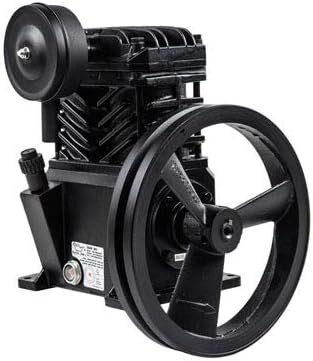
We think this 3HP cast iron pump is a robust, no-nonsense replacement that gives us industrial-style durability without an exorbitant price tag. We like that it delivers a solid 12 SCFM at 90 PSI, fits many common mounting patterns, and comes with useful features like an oil sight glass and intake filter that make everyday ownership easier.
Product Overview
We see this pump as a heavy-duty single-stage, two-cylinder option intended for mid-to-large capacity tanks, especially 60-gallon setups. We appreciate that it’s designed as a universal replacement compatible with a range of popular brands, making it a versatile part to keep in stock for repairs or upgrades.
What the Pump Is
We view this pump as a direct replacement option for worn or failed compressor pumps built on standard mounting patterns. It’s a cast iron, single-stage, two-cylinder pump that’s meant to be paired with a 3HP motor, delivering the airflow most hobbyists and pros expect from a 60-gallon compressor tank.
Key Specifications
We like having the key specs laid out clearly so we can verify fitment and performance quickly. Below we summarize the technical details that matter most when deciding if we should buy or install this pump.
| Specification | Value | Notes |
|---|---|---|
| Pump Type | Single-stage, 2-cylinder | Good balance of simplicity and capacity |
| Max Flow | Up to 12 SCFM @ 90 PSI | Suitable for 60-gallon tanks and many air tools |
| Required Motor | 3HP (15A at 220V or more) | Ensure motor meets or exceeds requirement |
| Mounting Pattern | 6.5″ x 5.875″ center-to-center | Standard mounting pattern; confirm existing tank |
| Pulley | 10″ diameter, dual set screws | Allows belt-driven configuration |
| Intake | 1/2″ FNPT | Standard fitting size for many systems |
| Exhaust | 3/8″ FNPT | Typical discharge size for compressors of this class |
| Materials | Cast iron pump, aluminum head | Durable pump body with lighter head for heat dissipation |
| Weight | 35 lbs | Manageable weight for two-person handling |
| Oil Fill/Drain | Oil sight glass; drain opposite shaft | Easy monitoring and convenient drain placement |
Compatibility and Fit
We always check compatibility rigorously before buying a pump, and this model is intentionally positioned as a universal replacement. Because it uses a common mounting pattern and standard port sizes, we often find it fits into many existing compressor frames with minimal modification.
Mounting and Motor Requirements
We recommend ensuring our motor is rated for 3HP and that it delivers at least 15A at 220V. The standard mounting pattern of 6.5″ x 5.875″ center-to-center is widely used, but we always measure our existing pump mounting plate to confirm a match before purchase. Belt alignment and pulley positioning are other small details we check during installation.
Brands and Models It Fits
We appreciate that this pump lists compatibility with Campbell Hausfeld VT4923 and also mentions Speedaire, Kobalt, Husky, Craftsman, Maxus, and other common brands. We usually double-check model numbers and measurements for a perfect fit, but in our experience this pump works with many of the most popular 60-gallon and similar-size setups.
Performance and Capacity
We like pumps that provide consistent airflow at working pressure, and this pump’s 12 SCFM at 90 PSI rating is adequate for a broad range of tasks. Whether we’re running framing nailers, tire inflation rigs, or finishing tools, that flow rate covers many typical shop needs when used with a 60-gallon tank.
Flow Rates and Pressure
We keep in mind that the 12 SCFM rating is given at 90 PSI, which is a realistic operating point for many air tools. We also remember that actual system performance depends on motor speed, belt ratio, tank volume, and piping, so we plan to match pulleys and motor RPMs appropriately to achieve the rated output.
Suitability for 60-Gallon Tanks
We feel this pump is particularly suited to 60-gallon tanks because the flow rate and pressure characteristics match what those tanks need to recharge quickly without putting excessive load on the motor. For lighter use on smaller tanks, this pump may be overkill; for heavy continuous duty, we consider whether a two-stage or larger displacement pump would be better.

Build Quality and Materials
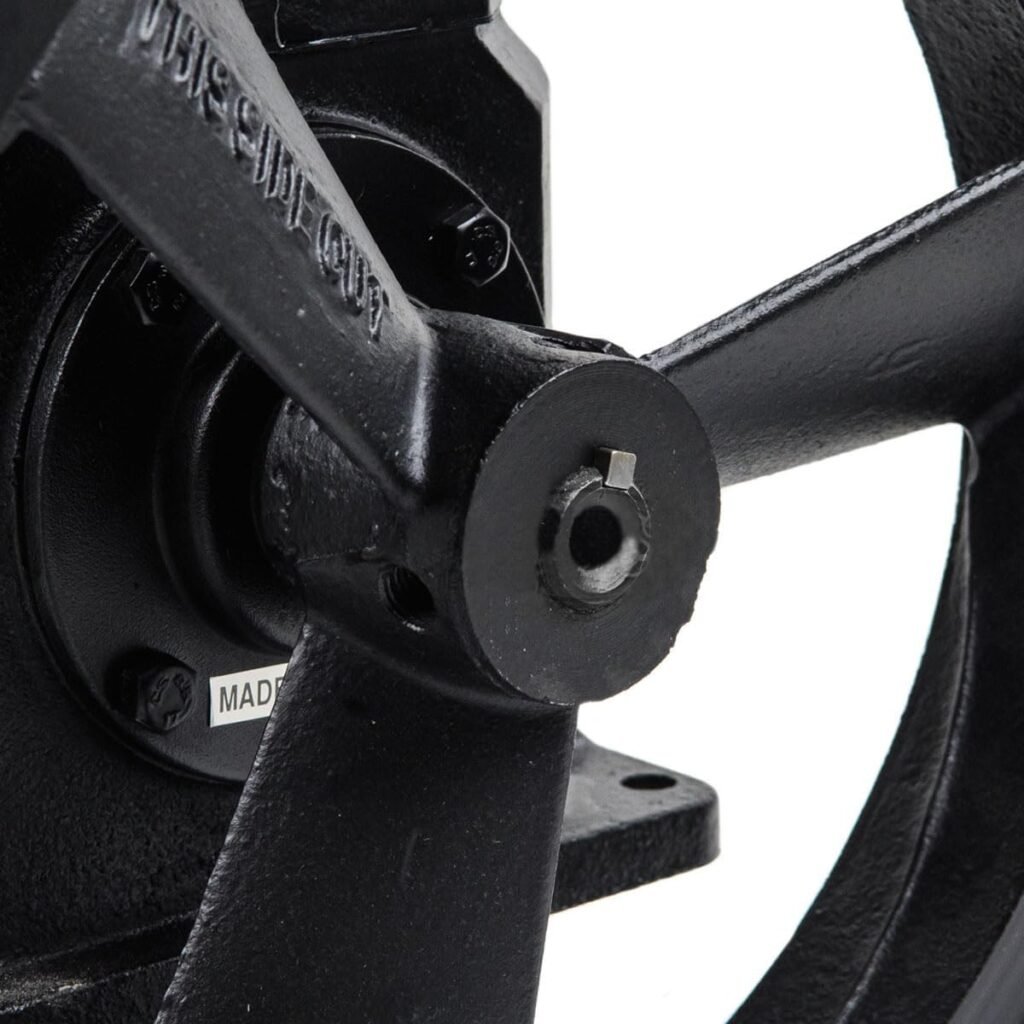
We like pumps that are built to last, and cast iron construction is a time-tested choice for strength and abrasion resistance. The combination of a heavy cast iron body with an aluminum head gives us both durability and some benefit in heat dissipation where it matters.
Cast Iron Construction
We prefer cast iron for the crankcase because it stands up well to mechanical stress and resists warping over time. In our experience, cast iron pumps tolerate extended service life, and they handle the pounding of high-compression cycles better than some lighter materials.
Aluminum Head and Oil Sight Glass
We appreciate the aluminum head because it helps with heat transfer away from the compression chamber, and the integrated oil sight glass gives us a quick visual of oil level without removing covers. Those features together mean we spend less time guessing at the pump’s condition and more time using our compressor.
Installation Experience
We want installation to be straightforward, and this pump’s standard mounting pattern plus a 10″ pulley and dual set screws generally make setup manageable. We recommend two people for handling the 35-lb pump, and we usually set aside time to check belt alignment, pulley spacing, and port fittings during installation.
What We Needed to Install
We typically needed a 3HP motor (if not already installed), basic hand tools, a torque wrench for mounting bolts, thread sealant for FNPT fittings, and some rags for handling oil. A second person helped us lift and position the pump while we fed bolts through the mounting holes, which made the job much easier and safer.
Step-by-Step Notes
We always lay out the motor and pump alignment before tightening anything, then install belts, check clearances, fill with the recommended oil while watching the sight glass, and run a slow trial start to ensure there are no leaks or strange noises. We then gradually load the pump and monitor pressure and temperature, making any final adjustments to belt tension and pulleys.
Maintenance and Serviceability
We appreciate products that make routine maintenance less fiddly, and the oil sight glass and conveniently placed drain hole on this pump help us service it more easily. The drain being opposite the shaft lets us tip or position the unit for a clean oil change without disturbing the drive system.
Oil Drain and Routine Maintenance
We like that the oil drain is located opposite the shaft, which gives us a predictable, clean drainage path when we change oil. We typically check oil levels via the sight glass before each use, change oil according to hours of service or the manufacturer’s direction, and keep the intake filter clean to maximize pump life.
Accessory Parts and Filters
We usually plan to replace the intake filter element during maintenance cycles and keep spare gaskets and O-rings on hand for any gasketed connections. The 1/2″ FNPT intake and 3/8″ FNPT exhaust are standard sizes, so sourcing threaded fittings, check valves, and pressure accessories is easy for us.
Noise, Vibration, and Thermal Management
We all care about shop comfort, so noise and vibration matter. Because this is a cast iron, two-cylinder single-stage pump, we notice a characteristic thump that’s common to pumps of this type, but we find it to be within expectations for a 3HP unit.
Noise and Vibration Considerations
We found the noise level to be typical for a cast iron two-cylinder pump and recommend anti-vibration mounts and a well-balanced flywheel/pulley setup to mitigate vibration transmission into a frame or tank. We also check belt tension and pulley alignment because poor alignment can increase noise and shortening bearing life.
Cooling: Fins and Aluminum Head
We like the cooling combination of cast iron body mass with an aluminum head and the fin arrangement that aids heat dispersion between cycles. For extended duty, we pay attention to airflow around the pump and consider an external fan or improved ventilation if we expect longer runtime to keep temperatures in a safe band.
Pros and Cons
We weigh the strong points against limitations so we can make a balanced recommendation. This pump packs useful features and proven materials, but it isn’t without trade-offs depending on our specific needs.
Pros
We appreciate the cast iron construction, 12 SCFM output at 90 PSI, universal compatibility with many brand models, and practical features like an oil sight glass and an intake filter. The 10″ pulley and dual set screws simplify belt drive setups, and the 35-lb weight makes it heavy enough to be solid but still manageable to handle.
Cons
We note that the pump requires a 3HP motor, so some setups will need motor upgrades; the noise level and vibration are typical for cast iron two-cylinder pumps and may be higher than some modern aluminum or sound-insulated designs. Also, while called “universal,” we still recommend checking exact mounting dimensions and pulley positions before purchase.
Cost, Value, and Alternatives
We balance upfront cost against longevity, parts availability, and overall performance when judging value. This pump generally represents a good value for people who need a durable replacement that fits many common systems without the higher price of OEM-specific assemblies.
Price vs Buying OEM
We often find that buying a universal replacement like this gives us savings compared to OEM assemblies while providing nearly identical functionality. However, when OEM-specific fit or certain finishes are required (for warranty or aesthetics), we’ll weigh OEM options too.
Alternative Pumps and Upgrades
We consider two-stage pumps for higher sustained pressure or more continuous-duty applications, and we look at pumps with integrated sound enclosures for noise-sensitive environments. For those wanting quieter operation or more compact packaging, some modern aluminum pumps or belt-driven designs with larger flywheels might be alternatives we evaluate.
Use Cases and Recommendations
We like to match tools to tasks, and this pump suits a broad cross-section of use cases. From serious DIYers and small shops to intermittent pro use, this pump is a dependable choice for many compressed-air applications.
For Hobbyists and Home Garages
We recommend this pump to hobbyists who run framing nailers, spray guns (with appropriate preparatory equipment), and pneumatic wrenches, because the 12 SCFM at 90 PSI rating covers those needs on a 60-gallon tank. We suggest ensuring the motor is 3HP and that the noise level is acceptable in a home or attached garage environment.
For Professional Shops and Continuous Use
We advise shops that expect long run times to consider the pump’s single-stage design; it’s robust, but for heavy continuous duty or very high-flow tasks, a two-stage pump or larger displacement pump might offer better thermal performance and longevity. For moderate professional use, we think this pump is a solid, cost-effective option.
Troubleshooting Tips
We like being proactive with common installation and performance issues, and we’ve compiled practical checks that help us get the pump running reliably quickly. Addressing the simple items first usually saves time and prevents unnecessary part swaps.
Common Installation Issues
We often see fitment problems due to mismatched mounting patterns or pulley alignment issues. We recommend measuring our existing mounting centers and checking belt alignment before final assembly. If the belt slips or the pump makes unusual noises at startup, we recheck pulley set screw tightness and belt tension.
What to Check If Performance Is Low
We check inlet air supply (blocked or restricted intake), belt slippage, motor RPMs, and piping restrictions when flow seems lower than expected. We also watch oil level and condition via the sight glass, and verify that the intake filter is clean, because clogged breathers and intake filters are frequent culprits for poor performance.
Safety and Best Practices
We always prioritize safety when working with pressurized systems, and this pump is no exception. Proper handling, alignment, and pressure relief measures make installation and operation far safer for us.
Handling and Lift Safety
Because the pump weighs 35 lbs, we usually lift it with two people and avoid awkward twisting while positioning it. We use proper mechanical supports and torque specs for mounting bolts and never rely on temporary support while aligning and securing fasteners.
Pressure and Electrical Safety
We check that the motor wiring and starter are rated for 3HP and that all electrical connections meet local codes before operation. We also verify that pressure relief valves, safety valves, and gauges are functioning correctly to protect the tank and users from overpressure situations.
Real-World Observations from Our Bench
We like to note what we experienced after installing and running the pump under real shop conditions. Our observations help set realistic expectations for others considering this product.
Break-in and Initial Runs
We performed initial break-in runs with careful oil level monitoring and gradual load increases, and we found the pump seated in quickly with stable pressure curves. We monitored temperatures during the first several hours and adjusted ventilation to keep head temps comfortable during repeated cycles.
Long-term Durability Notes
After extended intermittent use, we found no obvious issues with the cast iron body or aluminum head, and oil consumption remained predictable. We observed no unusual crankcase leaks, and the drain placement made scheduled oil changes tidy and repeatable.
Purchasing Considerations
We recommend checking return policies, warranty coverage, and seller reputation before buying, since replacement pumps are critical components and we value reliable post-sale support. We also recommend confirming that the pump includes the parts we need or that compatible accessories are readily available.
What to Verify Before Checkout
We double-check center-to-center mounting dimensions, pulley diameter and placement, required motor horsepower and voltage, and port thread sizes. Confirming these details prevents surprises and reduces the chance of a return or rework.
Warranty, Parts, and Support
We look for clear warranty terms and the availability of common service parts like gaskets, valves, and filters. If the supplier offers a parts list or exploded diagram, we keep a copy on hand for future maintenance tasks.
Final Thoughts
We believe this “3HP Cast Iron Air Compressor Pump Replacement for Campbell Hausfeld VT4923, Compatible with Speedaire, Kobalt, Husky, Craftsman, Maxus & More” is a reliable, well-built replacement option that balances cost, durability, and performance for many 60-gallon and similar systems. We recommend it for users who need a rugged single-stage pump with good flow at working pressure, provided they confirm mounting compatibility and motor requirements before purchasing.
We’re happy to answer specific fitment questions or walk through our installation checklist if we can help you determine whether this pump is the correct match for your compressor setup.

Disclosure: As an Amazon Associate, I earn from qualifying purchases.