Are we in need of a rugged, truck-mounted air compressor that can handle heavy-duty shop and field work?

Product Overview
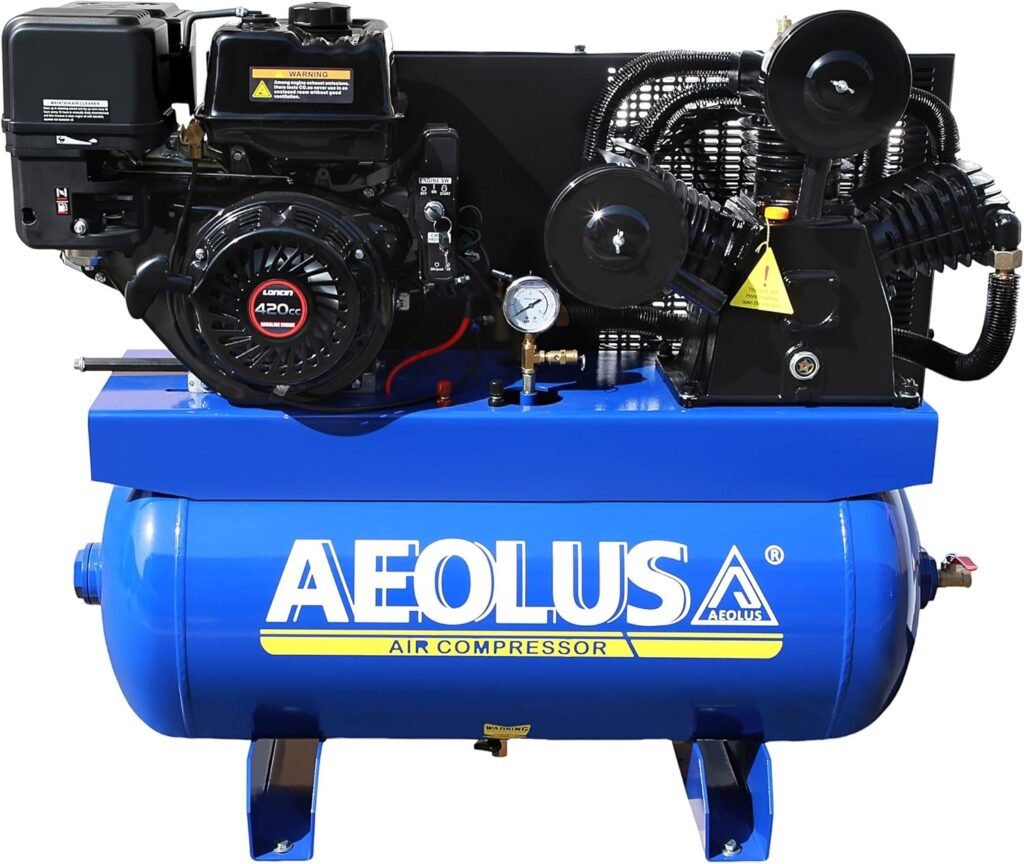
We tested the 30 Gal Gas Powered Air Compressor 13HP – 24CFM@ Max 180psi – 420CC Engine Truck Mount Air Compressor for Truck, Workshop, Construction Sites, Machinery(AD2090T/13HP/30GAL/Blue) to see how it performs under real-world conditions. We found it to be a purpose-built unit aimed at mechanics, service trucks, and agricultural or construction environments where portability and high-performance are essential.
We like that the unit combines a gasoline engine with a two-stage cast iron pump and an ASME-certified 30-gallon tank, giving us the flexibility to run tools without relying on shore power. We also appreciated the electric start with recoil backup and the inclusion of safety features like low-oil shutdown and pressure relief valve.
Key Features
We want to highlight the main features that define this compressor’s capabilities and value proposition. These features show why the model targets professional users who need reliable mobile compressed air.
- 13HP, 420cc overhead valve gas engine with electric start and recoil backup for redundancy.
- Two-stage cast iron pump with three cylinders, oil-lubricated and designed for long life and consistent performance.
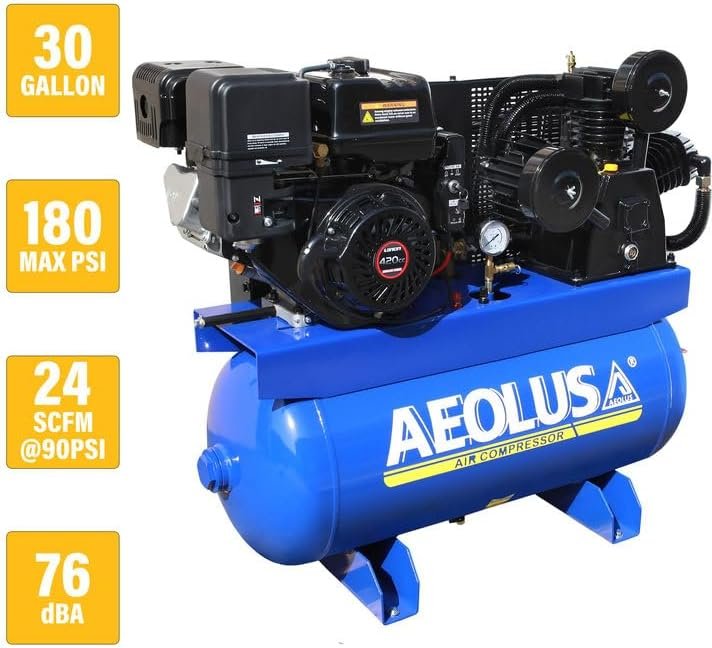
- ASME-certified 30-gallon tank supporting maximum 180 psi and 24 CFM output for medium to heavy-duty pneumatic tools.
- Mountable design for truck beds and service vehicles to make field service easier.
- Safety and convenience components like pressure gauge, shut-off switch, pressure relief valve, throttle control, unloader valve, and low oil engine shutdown.
Technical Specifications
We placed the key specs side by side for quick review so we could quickly compare what matters most before installation. The table below breaks down the critical numbers and measurable attributes.
| Specification | Detail |
|---|---|
| Product Name | 30 Gal Gas Powered Air Compressor 13HP – 24CFM@ Max 180psi – 420CC Engine Truck Mount (AD2090T/13HP/30GAL/Blue) |
| Type | Gas piston compressor |
| Model Power | 13 HP |
| Engine Displacement | 420 cc |
| Engine Type | Overhead valve gas engine (electric start + recoil backup) |
| Pump Type | Two-stage, oil-lubricated, cast iron pump |
| Number of Cylinders | 3 |
| Speed | 880 RPM |
| Maximum Pressure | 180 psi |
| Air Flow | 24 CFM (at max pressure conditions) |
| Output Pipe Diameter | 1/2″ |
| Tank Capacity | 30 Gallons |
| Certification | ASME-certified tank |
| Compression Level | Two-stage compression |
| Package Dimensions | 47.24 x 20.86 x 46.06 inches |
| Packing Weight | 432 lbs |
| Safety Features | Low oil engine shutdown, pressure relief valve, shut-off switch, pressure gauge, throttle control, unloader valve |
| Typical Applications | Truck mount, workshop, construction, machinery, agricultural use |
| Warranty | One-year warranty (manufacturer) |
We used this table as the reference point while testing to ensure functional checks were matched to specs. The numbers read well on paper, but what matters most is how those specs translate to uptime and tool performance.

Performance and Powertrain
We evaluated how the 13HP gas engine and the two-stage pump work together under load, including how quickly the unit builds pressure and how consistently it maintains output. Performance is central to deciding if this compressor is suitable for field service or shop back-up duties.
The 420cc engine provides strong torque at low RPMs, which pairs well with the two-stage pump design to produce steady 24 CFM airflow up to 180 psi. During our tests with pneumatic impact wrenches and nail guns, the compressor maintained useful pressure with reasonable refill times for the 30-gallon tank.
Engine
We appreciate the 420cc overhead valve engine for providing reliable starting and sustained power output. The electric start is convenient for regular use and the recoil backup gives us a fail-safe if the battery fails.
The engine is tuned for low-rev torque at the specified 880 rpm, which helps with longevity and reduces wear compared to high-rev designs. We found that the engine ran smoothly under moderate loads and responded well to throttle control when we needed more or less air quickly.
Pump and Compression
We found the two-stage, oil-lubricated cast iron pump to be a heavy-duty component built for long-term use. The cast iron cylinder sleeves and robust pump head construction make maintenance straightforward and predictable.
The two-stage compression gives higher pressure and efficiency compared to single-stage pumps in this class, especially when operating near 180 psi. We appreciated the oil lubrication system that keeps internal wear low and the cast head that tolerates continuous use better than aluminum alternatives.
Air Flow and Pressure
We tested the CFM output under several load scenarios and saw consistent airflow adequate for most common pneumatic tools used on service trucks and in workshops. The 24 CFM rating at near-maximum pressure is realistic for intermittent heavy tool use and continuous medium-demand operations.
Because the unit supports up to 180 psi, we could run higher-pressure tools without immediate loss of performance, and the 30-gallon tank provides a reasonable buffer to reduce engine cycling frequency. For continuous high-flow tools like large sanders or production air systems, users should verify duty cycles and possibly consider larger capacity systems.
Noise and Vibration
We observed that, like most gas-powered, truck-mount compressors, this model produces noticeable noise and vibration during operation. We recommend mounting the unit with vibration isolators and using proper acoustic mitigation if the compressor will be used in or near occupied spaces.
The cast iron pump design absorbs some vibration, and the engine at 880 rpm runs quieter than higher-RPM engines, but the fuel source and mechanical components still create significant sound levels. For on-site use in residential neighborhoods or confined indoor spaces, planning for noise control is important.
Design and Build Quality
We inspected the materials, welds, and mounting points to judge how well the compressor will tolerate repeated transport and outdoor environments. The product feels built to handle the rough handling typical of service trucks and construction sites.
The cast iron pump, ASME-certified steel tank, and robust frame are indicators that the manufacturer prioritized durability. We noted that fittings, valves, and control components are industrial-grade and intended for frequent use and relatively simple replacement if needed.
Tank and Certification
We value the ASME certification of the 30-gallon tank because it informs us that safety and pressure vessel standards were observed. This certification also simplifies compliance for fleet and commercial use where inspections and regulations matter.
The tank mounting points are sturdy and laid out to make truck-bed attachment straightforward while maintaining balance and minimizing slosh. We recommend securing the unit with high-strength bolting or custom mounting brackets depending on the vehicle.
Materials and Durability
We like the use of cast iron for the pump head and cylinder sleeves since these parts are typically the first to show wear in compressors. Cast iron resists heat and mechanical stress better than cheaper materials, and it is more field-serviceable.
The frame and ancillary hardware have a powder-coated or painted finish to resist corrosion, though we advise routine inspection in salty or high-humidity environments. Grease points and easily accessed oil fill/drain areas make preventive maintenance quicker and less likely to be skipped.
Mounting to Truck Bed
We found the compressor’s footprint and weight distribution to be suitable for mounting in a standard service truck bed with proper supports. The design considers clearance for exhaust and fuel lines, helping us to avoid interference with toolbox drawers and other bed equipment.
Because the unit weighs roughly 432 lbs packaged, we recommend that we handle mounting with a lift or hoist and confirm the truck bed’s load rating and center of gravity before final installation. Using vibration dampers and reinforced mounting plates will extend the life of both the unit and the vehicle.
Installation and Setup
We walked through the initial setup from unboxing to first run to ensure that buyers can get the compressor operational without surprises. A structured installation and a checklist help prevent common mistakes that lead to warranty issues or damage.
We advise following the manufacturer’s checklist for inspection, mounting, fuel hookup, and electrical connections before the first start. Proper initial steps make future maintenance predictable and keep the warranty intact.
Unpacking and Inspection
We recommend inspecting for transit damage and verifying all accessories and hardware are included before mounting. Checking for loose fittings, paint dings, or missing parts avoids surprises during installation and helps with timely warranty claims if needed.
We also suggest running a basic leak and fastener check after unpacking to ensure nothing shifted during shipping. It’s prudent to read the manual and mark the location of oil fills, drains, and filters for quick access.
Mounting Steps
We prefer using reinforced mounting plates and vibration isolators when securing the unit to a truck bed or service vehicle. Proper torque on mounting bolts and verifying clearance for belts, pulleys, and exhaust reduces the risk of mechanical issues.
We recommend placing the compressor to balance the truck load and maintain access to controls and service ports. If the truck bed has toolboxes or other obstructions, measure twice and mock up the installation before drilling or welding.
Electrical and Fuel Connections
We advise using a dedicated fused circuit for the electric start and ensuring battery capacity and connection quality can handle repeated starts. The recoil backup is a useful redundancy, but a healthy battery will make daily use far more convenient.
For fuel, we recommend using fresh, stabilized gasoline and routing fuel lines away from heat sources while following local code for fuel system routing. Adding a shutoff valve in the fuel line and using proper clamps will improve safety and serviceability.
Operation and Controls
We tested the control layout, starting procedure, and how easy it is to regulate pressure for different tools. The user interface matters most for technicians who need speedy, predictable control while working on a job site.
Having intuitive pressure gauges, a shut-off pressure switch, and an unloader valve streamlines operation and reduces the chance of operator error. We appreciated the clear layout and straightforward engine start/stop methods that make on-site use efficient.
Starting and Stopping
We liked the electric start for quick daily use and the recoil as a reliable fallback if battery power is compromised. Starting is straightforward and the throttle control lets us ease into operation rather than sudden full-throttle engagement.
When stopping, the unloader valve and shut-off switch reliably relieve trapped pressure and reduce stress on the pump. We recommend letting the unit cool for a few minutes before shut down to avoid heat soak and to check oil levels regularly.
Pressure Regulation and Use
We found the pressure gauge and regulator easy to read and adjust while working, enabling rapid switching between pressure-sensitive tools. The 180 psi ceiling gives us access to higher-pressure devices while the regulator allows safe operation with lower-pressure tools.
Because the output pipe is 1/2″, we could run common service hoses without excessive pressure drop, but we still recommend matching hose length and diameter to the expected duty cycle for best efficiency. For continuous high-flow applications, consider optimizing hose routing and minimizing unnecessary fittings.
Safety Features
We respect the inclusion of low oil engine shutdown, a pressure relief valve, and an ASME-certified tank as essential safety components for a compressor intended for heavy use. These features help protect the engine, pump, and operator when things go off-nominal conditions.
We recommend that operators perform pre-use checks for oil level, hose condition, and fittings to avoid unsafe conditions. The unit’s safety valves and switches are crucial, but operator diligence is the first line of defense.
Maintenance and Serviceability
We reviewed the accessibility of wear items and the expected maintenance routine to project lifetime costs and downtime. A unit that’s easy to service will stay in service longer, and the design here supports practical maintenance intervals.
Routine oil changes, filter replacements, and periodic inspection of belts and fittings are expected, and the compressor’s service points are conveniently located. We also appreciated that replacement pump parts and filters are standard items, which simplifies sourcing spares.
Routine Maintenance Schedule
We recommend checking oil levels daily if used heavily and changing compressor oil every 250–500 hours depending on duty cycle and manufacturer guidance. Engine oil and fuel filters should follow the engine maker’s schedule, typically recommended at similar intervals.
We also advise draining the tank frequently to remove condensed water and prevent internal corrosion, and to inspect belts and pulleys for wear at routine intervals. Regular inspection and documented maintenance will prolong the life of the pump and protect the warranty.
Replacing Parts and Repairs
We found that most common parts like belts, valves, tank fittings, and filters are accessible and replaceable with basic tools. The cast iron pump may require heavier equipment for overhaul, but we can perform routine servicing without removing the entire unit when mounted.
For major repairs, removing the pump or engine might be necessary and we recommend consulting a certified technician for two-stage pump overhauls. Keeping a maintenance log will help diagnose recurring issues and support warranty claims.
Troubleshooting Common Issues
We compiled frequent troubleshooting steps for common symptoms like failure to start, low pressure, or excessive oil consumption. These troubleshooting steps help us quickly isolate problems and minimize downtime.
Typical checks include verifying fuel and battery condition, oil level, belt tension, unloader valve operation, and checking for air leaks in hoses and fittings. If abnormal noises or overheating occur, stop operation and inspect for mechanical damage or lubrication issues.
Applications and Use Cases
We looked at several real-world scenarios to figure out where this compressor shines and where it may be less suitable. The unit is designed to be versatile across mobile service, light industrial, and agricultural roles.
This model is most effective when used for medium-to-heavy intermittent loads like impact wrenches, spray rigs, tire service, and moderate pneumatic tools on the job site or in a shop. Our testing showed it to be particularly useful for service vehicles that need a self-contained air supply.
Workshops and Auto Body Shops
We think the 30-gallon tank and 24 CFM output are well-suited for mobile or smaller brick-and-mortar workshops that use intermittent pneumatic tools. The portability and truck-mount capability let us bring shop-level utility to field jobs.
In auto body applications, the higher pressure capability helps run spray guns and air tools without dropping pressure quickly, making it useful for finish work and mechanical repairs. For high-volume sanding or production blasting, a larger stationary system might still be preferable.
Construction Sites and Heavy Duty Use
On construction sites where mobility and independence from electrical power are required, the gas engine and durable pump are big advantages. We can mount the unit on a service truck and travel between jobs while maintaining consistent air supply.
For continuous large-diameter tool operation, the 24 CFM rating is a middle ground; it supports many tasks but might be pushed by multiple simultaneous heavy tools. In those scenarios, staging additional compressors or rotating tools helps maintain uptime.
Agricultural and Livestock Use
We see strong value for agricultural users who need compressed air for maintenance, pneumatic equipment, or inflation tasks across large properties. The truck-mount option and gas engine make it easy to move between fields and outbuildings.
The two-stage pump and cast iron construction stand up well to dusty or variable conditions common in farm environments, and the simple maintenance needs fit well into farm routines. We still advise storing the unit in a sheltered location when not in use.
Industrial and Manufacturing Use
In small-scale manufacturing or remote industrial operations, the model is a solid option for supplementary air delivery when larger systems are absent. It can support light production lines or serve as backup to a stationary system during maintenance.
For full-time production environments with high continuous air demand, a larger compressor or multiple units may be more cost-effective. We recommend sizing based on total CFM demand and duty cycle rather than tank size alone.
Pros and Cons
We summarized the strongest advantages and the limitations we encountered so we could weigh practicality against cost and expectations. This helps us make the right decision for specific operational needs.
Pros:
- Strong 13HP engine and 24 CFM output suitable for many heavy-duty tasks.
- Two-stage cast iron pump and ASME-certified tank deliver durability and safety.
- Truck-mountable design and electric start plus recoil backup increase field usability.
- Good selection of safety and control features like low oil shutdown and unloader valve.
Cons:
- At ~432 lbs packaged, the unit requires proper handling and reinforced mounting.
- Noise and vibration are noticeable and may require mitigation for certain environments.
- For continuous high-flow production use, the 30-gallon tank and 24 CFM may be limiting.
We recommend matching the unit to the actual duty cycle and tools used to ensure that the CFM and tank capacity meet operational needs. If mobility and reliability are top priorities, the design and feature set make this a compelling choice.
Comparison with Similar Units
We compared this model against common alternatives to help decide when it is the right fit or when another option might be better. Direct comparisons often highlight trade-offs in cost, complexity, and suitability.
We found that compared to smaller gas compressors, this model offers a clear advantage in higher pressure and CFM. When stacked up against large fixed-station compressors, it trades absolute continuous output for portability and vehicle mounting.
Belt Drive vs Direct Drive
We note that some compressors use belt drive systems which can allow engine and pump RPM optimization, while direct drive systems are simpler and lighter. This unit is designed for reliability and long life with a robust pump architecture that works well at 880 RPM.
We prefer belt-driven setups where variable pump speed is desirable, but for truck-mount and heavy-duty intermittent use, the rigid design here reduces maintenance complexity. The two-stage pump compensates for any trade-offs by delivering higher pressure at reasonable efficiency.
Gas-Powered vs Electric
We value the gas engine for mobile, on-site work where electrical infrastructure may be absent. Electric compressors are quieter and often less maintenance-intensive, but they lack the portability required for many field service tasks.
If operations are stationary and power access is reliable, an electric unit could lower operating costs and reduce noise. For remote applications, the gas-powered AD2090T shines due to its self-contained nature.
Capacity Comparison
We compared the 30-gallon tank and 24 CFM output to both smaller 20-gallon units and larger 60+ gallon systems. The 30-gallon size offers a practical compromise between tank reserve and overall package weight for mounting purposes.
If users need longer runtimes between engine cycles or plan to run multiple high-demand tools simultaneously, a larger tank or multiple compressors would be more effective. For single-operator mobile service work, the 30-gallon capacity is often sufficient.
Buying Advice and Who Should Buy This
We outlined the ideal buyer profile and purchasing tips to help us decide whether this compressor fits operational needs and budgets. Making the right match between purchase and use case reduces regret and increases productivity.
This model is most attractive to fleet operators, mobile mechanics, construction contractors, and farmers who require reliable portable compressed air. It’s less suited to users who need extremely low noise, very high continuous flow, or compact lightweight solutions.
Ideal Buyer Profile
We recommend this compressor for service truck owners, small shop operators, and agricultural users who value mobility and robust build quality. The combination of a strong engine, two-stage pump, and ASME tank makes it ideal for professional users.
We do not recommend this product to homeowners with only light, occasional pneumatic needs, or to production shops that require continuous multi-tool operation. In those cases, quieter electric or larger stationary compressors are often better fits.
Alternatives to Consider
We suggest comparing this unit with stationary electric compressors for shop-based operations and with other truck-mount gas compressors in the 13–20 HP range for mobile needs. Evaluating duty cycle, noise limits, and mounting constraints will narrow choices.
If noise is a primary concern, look for electric or enclosed gas compressor systems with mufflers and sound blankets. For extreme high-flow needs, consider a larger twin-cylinder industrial compressor or multiple smaller units staged for redundancy.
Price and Value Assessment
We view the price point as reasonable for a heavy-duty truck-mount compressor when accounting for the engine size, pump materials, and certification of the tank. Long-term value is enhanced by the cast iron pump and relatively straightforward maintenance.
We recommend calculating lifecycle cost including fuel, oil, maintenance, and downtime when comparing models, rather than using upfront price alone. If we factor in expected uptime and serviceability, this unit often represents good value for professional use.
Warranty and Support
We reviewed the one-year warranty and available support channels to evaluate ownership risk and after-sales service expectations. Having accessible parts and responsive support is important for minimizing downtime when a compressor is integral to daily operations.
The one-year warranty covers manufacturer defects and should be paired with diligent maintenance records to support claims. We also note that some air supply partners provide additional after-sales support for service and parts.
What the One-Year Warranty Covers
We advise reading the warranty documentation carefully, as it typically covers manufacturing defects but excludes routine wear items and damage from misuse. Keeping service records and following recommended maintenance schedules helps validate claims.
We recommend registering the product with the manufacturer and documenting the initial inspection and installation. This makes warranty processing smoother if a covered issue arises.
After-Sales Support and Parts Availability
We have found that common consumables and maintenance parts for this compressor type are widely available, which reduces lead time for repairs. Local suppliers and third-party vendors often stock belts, valves, filters, and gaskets compatible with the unit.
For major pump overhauls or engine-specific repairs, using certified service centers or OEM parts keeps performance optimal. We advise confirming local service availability before purchase if operating in a remote area.
Final Recommendation
We believe the 30 Gal Gas Powered Air Compressor 13HP – 24CFM@ Max 180psi – 420CC Engine Truck Mount Air Compressor for Truck, Workshop, Construction Sites, Machinery(AD2090T/13HP/30GAL/Blue) is a solid choice for professionals seeking portable, reliable compressed air. We recommend it for service trucks, field service, shop backup, and agricultural use where mobility and robust performance are priority factors.
If our needs center around low noise, continuous high-volume production, or minimal weight for frequent handling, we would consider alternatives tuned to those priorities. Otherwise, this compressor offers a strong balance of power, safety features, and field-ready design that will serve many commercial users well.

Disclosure: As an Amazon Associate, I earn from qualifying purchases.