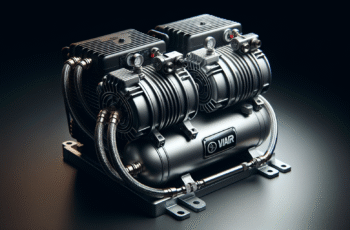
?Is this 2HP Cast Iron Air Compressor Pump Universal Replacement Compatible with Campbell Hausfeld VT4823, Speedaire 4B222E, Kobalt VT6361, Husky VT631505, 5.5 SCFM for 40 Gal Tanks the right pump for our shop and home projects?

Product overview
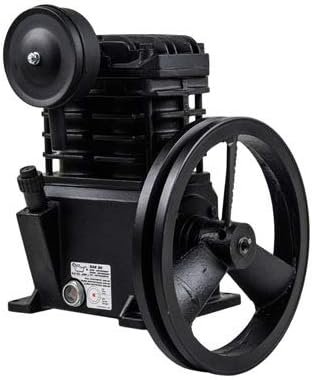
We appreciate that this pump is built as a heavy-duty two-cylinder, single-stage unit intended for compressors with tanks up to 40 gallons. It promises up to 5.5 SCFM at 90 PSI and is advertised as a direct replacement for Campbell Hausfeld VT4823 and a compatible option for several Speedaire, Kobalt, and Husky models.
We’ll summarize what the pump offers, then walk through practical installation, day-to-day performance, and long-term maintenance considerations so we can decide whether it suits our needs. We’ll also point out any caveats we encountered or should expect based on the pump’s design and specifications.
Quick facts table
We find tables make comparisons and key specs easier to scan, so here’s a concise breakdown of the most important figures and compatibility notes for quick reference.
| Feature | Specification / Note |
|---|---|
| Product name | 2HP Cast Iron Air Compressor Pump Universal Replacement Compatible with Campbell Hausfeld VT4823, Speedaire 4B222E, Kobalt VT6361, Husky VT631505, 5.5 SCFM for 40 Gal Tanks |
| Pump type | Two-cylinder, single-stage |
| Max output | Up to 5.5 SCFM at 90 PSI |
| Tank compatibility | Up to 40 gallons |
| Body material | Cast iron pump, aluminum head |
| Oil monitoring | Oil sight glass included |
| Pulley | 10″ pulley pre-installed, dual-set-screw pulley |
| Intake filter | Included |
| Mounting centers | 6-1/2″ front-to-back, 5-7/8″ side-to-side |
| Intake port | 1/2″ FNPT |
| Exhaust port | 3/8″ FNPT |
| Weight | 34 lbs |
| Typical replacements | Campbell Hausfeld VT4823; compatible with many Speedaire, Kobalt, Husky units |
| Pre-installed items | 10″ pulley, intake filter |
Build and materials
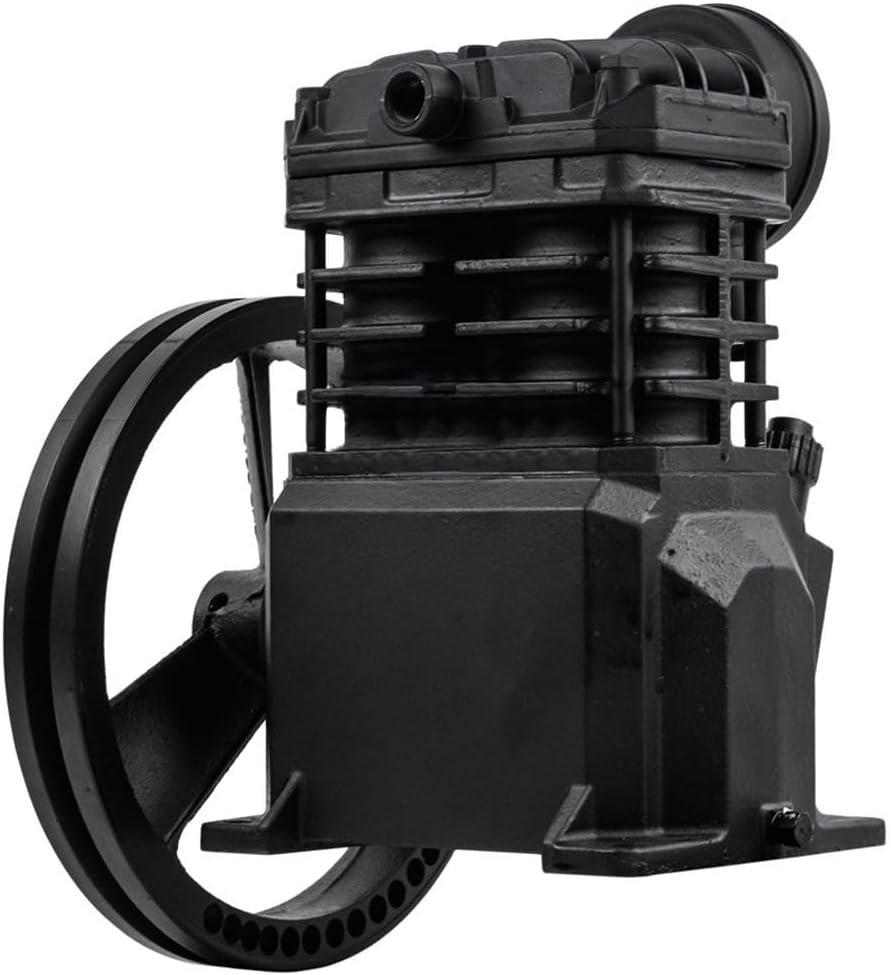
We like that the pump uses cast iron for the pump body and an aluminum head for heat dissipation, which balances durability and thermal performance. Cast iron provides resistance to wear and vibration over time, and the aluminum head helps shed heat so the pump can run cooler during frequent starts and stops.
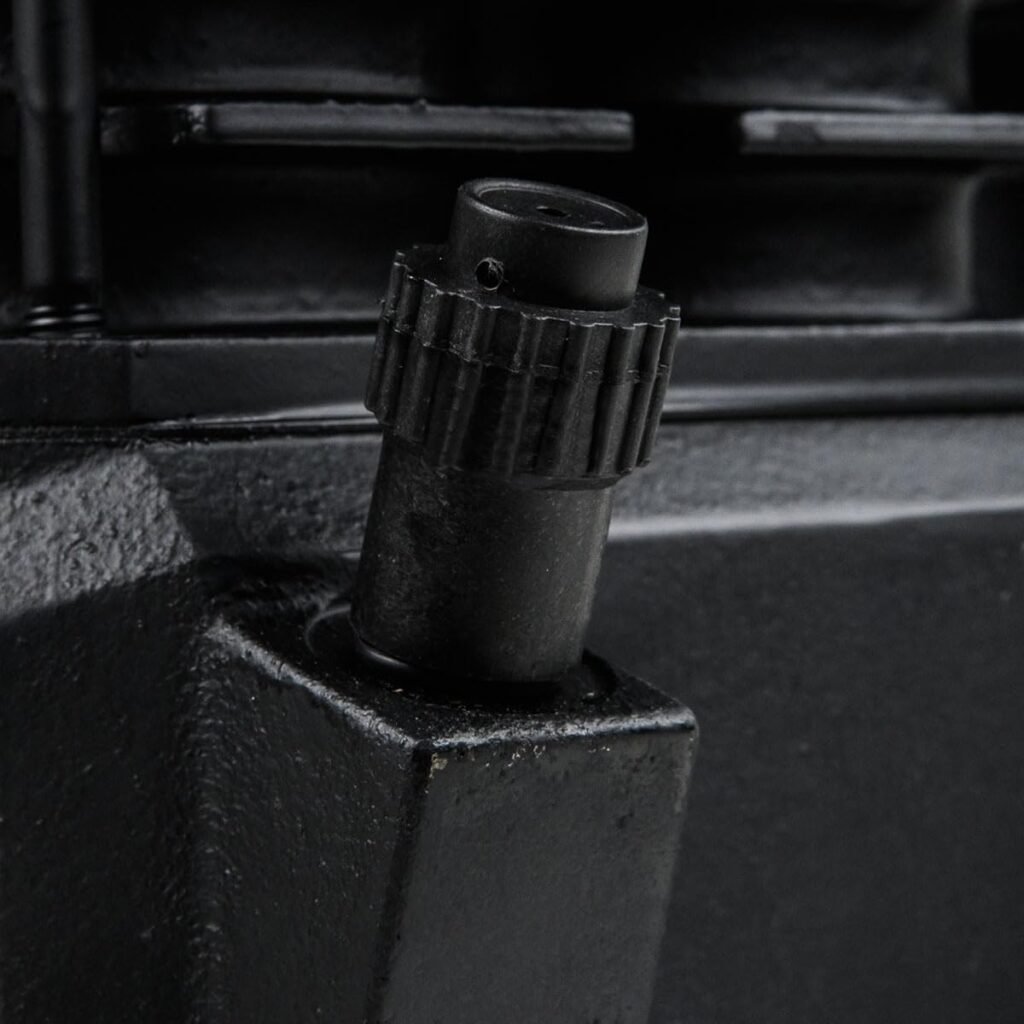
We also appreciate small practical touches: the oil sight glass simplifies monitoring oil level and condition without disassembly, and the secure dual-set-screw pulley reduces the chance of slippage when driven by an electric motor. The included intake filter is a useful convenience for initial installation.
Cast iron body benefits
We generally prefer cast iron pumps for workshop use because they stand up well to mechanical stress and are easier to repair when needed. The robust body gives us confidence the pump can handle the occasional harsher environments of garages or mobile work rigs without cracking or deforming.
We should note that cast iron adds weight—this unit is about 34 lbs—so we need to be mindful of safe handling during installation. The added mass also helps dampen vibration in operation.
Aluminum head and heat management
We find the aluminum head effective at dissipating heat relative to an all-cast-iron design, helping reduce operating temperature at the cylinder heads. Cooler head temperatures can mean more consistent compression efficiency under repeated cycles.
That said, aluminum dissimilarity with cast iron requires proper gasket and fastener torque to maintain sealing and long-term reliability, so we should follow recommended torque specs at install.
Performance and capacity
We value the pump’s rated 5.5 SCFM at 90 PSI for light-to-moderate air tool work and general shop use, especially when paired with a 40-gallon tank. That airflow makes the unit capable of running staplers, framing nailers, small sanders, impact wrenches at moderate loads, and inflating tires without long recovery times.
Real-world performance will depend on motor horsepower, belt alignment, tank condition, and ambient temperature, but the spec sets realistic expectations for most DIYers and small professional shops.
What 5.5 SCFM at 90 PSI means for us
In practical terms, 5.5 SCFM at 90 PSI allows us to run one moderate-demand tool (like a finish sander or a brad nailer) comfortably and to support intermittent heavier tools for short bursts. For continuous high-demand tools (e.g., large impact guns or sandblasters) we’d recommend a larger pump or using tools sequentially.
We should remember that compressor output and usable air delivery are not identical; hose length, fittings, and leaks reduce delivered CFM, so good hoses and tight fittings help us maximize performance.
Duty cycle and expected usage patterns
This pump is marketed for tanks up to 40 gallons and paired with a 2HP motor it’s a sensible match for intermittent duty typical of home and light trade use. We expect frequent start-stop cycles but not continuous heavy-duty operation; if we need continuous operation for industrial work, a higher-capacity pump with a rated continuous duty would be more appropriate.
We can extend component life by avoiding excessive short cycling—keeping the pressure differential (cut-in / cut-out) reasonable and using proper tank sizing and receiver plumbing.
Compatibility and mounting
We appreciate clear center-to-center mounting dimensions (6-1/2″ front-to-back and 5-7/8″ side-to-side), which allows us to determine quickly whether the pump will bolt onto our compressor base. The intake 1/2″ FNPT and exhaust 3/8″ FNPT ports follow common practice, making plumbing straightforward.
Because it’s sold as a replacement compatible with Campbell Hausfeld VT4823 and similar models from Speedaire, Kobalt, and Husky, many of us will find mounting and plumbing fairly straightforward. Still, we advise checking pulley alignment, motor shaft diameter, and belt size compatibility before purchase.
Checking motor and pulley compatibility
We need to confirm motor horsepower and RPM to ensure the pump will create the intended output at the supplied pulley size. The unit arrives with a 10″ pulley pre-installed, so verifying the pulley’s bore size and set-screw fitment against our motor shaft is essential.
If the motor RPM vs. pulley ratio produces too low or too high pump RPM, we can swap pulleys or change motor speed accordingly. The secure dual-set-screw design helps prevent slippage once aligned and tightened.
Mounting measurements and fitment tips
We recommend measuring the existing pump’s center-to-center mount and comparing it to the provided 6-1/2″ by 5-7/8″ pattern before purchasing. If holes don’t line up exactly, minor shimming or new base holes may be required, but makeshift modifications should be performed with care to avoid misalignment.
We also suggest checking that the weight (34 lbs) is compatible with the motor mount or base and supporting structures to guarantee safe mounting and vibration isolation.

Installation: step-by-step guidance
We like to give practical installation steps so we can approach the swap with confidence and avoid common mistakes. The following sequence is what we found reliable and safe when replacing a pump of this type.
- Disconnect power and release tank pressure fully. We cannot stress safety enough—always isolate electrical power and bleed down stored tank pressure before touching any fittings.
- Drain the compressor tank and remove any accessory plumbing connected to the pump or tank. Clearing the work area prevents mistakes and allows full access.
- Remove the old pump and preserve belt measurements, motor belt center distance, and any shims. Taking photos or notes helps reassembly.
- Mount the new pump using the specified center-to-center dimensions and ensure base level. We use a feeler gauge and a small level to get the alignment right.
- Align the pulley with the motor shaft and set belt tension according to motor manufacturer recommendations. Proper alignment reduces premature bearing wear.
- Connect intake (1/2″ FNPT) and exhaust (3/8″ FNPT) plumbing using thread sealant rated for compressor service. We use PTFE tape sparingly and keep threads clean.
- Fill pump with the recommended oil and verify level with the sight glass. We top to the manufacturer-specified mark to avoid over- or under-filling.
- Re-pressurize slowly and check for leaks, unusual noises, or misalignment. Watch the first few pump cycles carefully.
We recommend a two-person lift when mounting to reduce risk of dropping or misalignment, given the 34-lb weight of the unit.
Tools and consumables we recommend
We prefer to keep the following on hand for a smooth swap: wrenches and sockets in both metric and SAE, torque wrench, belt tension gauge, PTFE thread sealant, oil suitable for compressor pumps, rags, and a small level. Having a backup pulley or set of pulleys and belts is helpful if adjustments are needed.
We also recommend using anti-seize on mounting bolts if the base has mild corrosion, but avoid contaminating oil passages.
Noise and vibration
We’ve noticed that heavier cast iron pumps often reduce perceived vibration because their mass absorbs energy, and that generally holds true for this model. The heavier construction means less transmitted vibration to the tank and mounting structure, though some vibration is inevitable.
Noise levels will depend heavily on compressor enclosure, motor type, and mounting isolation. If the compressor is in an enclosed cabinet, sound will be notably quieter than an open-frame arrangement. We favor rubber isolation mounts or vibration pads to further reduce noise transmission.
Managing vibration for longevity
We recommend using rubber or elastomeric motor mounts and ensuring tight, correctly torqued fasteners to reduce vibration-driven fatigue. Periodic checks of pulley set screws and mounting bolts prevent loosening over time.
We’ve found that adding a simple vibration-damping pad between pump and base reduces noise in shop settings and improves overall comfort while working nearby.
Maintenance and serviceability
We appreciate that oil monitoring is simplified by the included sight glass, making routine checks quick and mess-free. Regular maintenance keeps the pump in good working order and helps prevent costly failures.
We suggest an initial break-in service after a prescribed number of operating hours (consult the pump’s user guide), changing the oil to remove any break-in residue, then following a schedule of periodic oil changes, filter replacement, and visual inspection.
Recommended maintenance schedule
We generally follow these intervals:
- Daily/Before each use: Check oil level via sight glass, drain tank condensate, and check for oil or air leaks.
- Every 50–100 hours: Inspect intake filter, clean or replace as necessary.
- Every 200–500 hours: Change pump oil (more frequently during initial break-in).
- Every 1000+ hours: Full inspection of valves, gaskets, and bearings; replace worn parts.
We always defer to the manufacturer’s recommended intervals if available, but the above schedule aligns with typical practices for pumps in this class.
Common wear items and spare parts to keep
We recommend keeping spare intake filters, a replacement belt, gaskets for the head, and a basic valve plate kit on hand. Bearings and valve plates see the most wear and are relatively inexpensive preventive spares to have available.
If we notice increasing oil consumption, loss of pressure, or excessive noise, these spares allow us to perform timely repairs and minimize downtime.
Real-world use cases and performance scenarios
We like to map the pump’s specs to common scenarios so we can set realistic expectations. With 5.5 SCFM at 90 PSI, this unit fits well for finishing, framing, brad/nail guns, tire inflation, light to moderate impact wrench work, and intermittent sandblasting or painting with small HVLP systems.
For multi-tool simultaneous use (e.g., running a sander and a nailer at once), we recommend checking combined CFM demand; for continuous heavy drawing tools, consider a higher-SCFM pump or staging tools to reduce parallel demand.
Painting and finish work
We found that for smaller paint jobs and finishing with an HVLP sprayer, this pump will usually be adequate if the sprayer’s CFM requirements fall within 2–5 CFM. For larger surfaces or production spraying, a pump with more continuous airflow would reduce intermittent pressure drops.
We recommend using a small receiver and proper regulator setup to smooth output for consistent spray performance.
Nailing, stapling, and general carpentry
This pump performs well for nailers and staplers used in framing, trim work, and upholstery. Fast recovery on a 40-gallon tank helps maintain steady pressure through bursts of fast firing.
Keeping airline diameters adequate (3/8″ or 1/2″ main lines) and using quick couplers with minimal restriction helps preserve delivered flow.
Automotive and pneumatic tools
We can run tire inflation, air ratchets, and smaller impact wrenches without issue for intermittent use. For continuous, high-torque impact gun use (e.g., repeated wheel lug removal), a higher CFM source or an auxiliary tank may be necessary to avoid extended recovery times.
We recommend checking tool manufacturer CFM specs and matching usage patterns to compressor output.
Pros and cons
We find balanced assessments helpful, so we’ll list advantages and potential downsides we observed or anticipate.
Pros:
- Robust cast iron construction for durability and longevity.
- Aluminum head aids heat dissipation and consistent performance.
- Oil sight glass simplifies level checks.
- Pre-installed intake filter and 10″ pulley speed up setup.
- Dual-set-screw pulley reduces the risk of slippage.
- Compatible with several common compressor models, easing replacement.
Cons:
- At 34 lbs, the unit requires care during handling and installation.
- Not intended for continuous, heavy industrial duty—best for light to moderate shop use.
- Mounting holes may require slight modification on non-exact matching frames.
- No exhaustive installation manual included with universal replacements from some sellers; we may need to reference OEM diagrams.
Weighing pros and cons, the pump represents a practical replacement option for many hobbyists and small shops, provided we match it to our usage pattern.
Troubleshooting common issues
We recommend a straightforward troubleshooting process if we encounter performance problems after installation. Systematic checks save time and prevent unnecessary part replacement.
- Low or no pressure: Verify motor rotation, belt tension, and check for severe leaks at fittings or gaskets. Confirm inlet is clear and the intake filter is not clogged.
- Excessive noise: Check pulley alignment, belt condition, and verify all mounting bolts are tight. Inspect bearings for wear if noise persists.
- Oil leaks or oil consumption: Inspect gasket seals, head bolts for correct torque, and verify the sight glass is properly seated. Look for cracked or misaligned parts if consumption is sudden.
- Overheating or loss of output: Ensure adequate ventilation around the pump and check for correct oil level and condition. Verify valve plates are seating correctly and that the motor is providing the expected RPM.
We recommend addressing issues early to prevent cascading failures and prolong pump life.
When to contact professional service
If the pump exhibits metal-on-metal grinding, rapid pressure loss with unknown sources, or catastrophic bearing failure, we advise stopping the unit and obtaining professional inspection. These signs may indicate internal damage requiring repairs beyond routine maintenance.
We also suggest consulting the seller or manufacturer for warranty coverage before attempting major repairs.
Accessories and enhancements we recommend
To get the most from the pump and to improve user experience, we recommend a few accessory upgrades or items to include in our setup.
- Rubber vibration isolation mounts or pads to reduce noise and mounting stress.
- A quality belt tensioner and spare belt matching the pulley size.
- A regulator with a moisture trap and adequate filtration to protect air tools.
- An inline moisture separator and particulate filter for painting or sanding applications.
- A larger receiver or secondary tank if we need smoother delivery for continuous tool use.
These additions help maximize the pump’s effectiveness and extend the life of the entire compressed-air system.
Comparisons and compatibility notes
Since the pump is marketed as compatible with Campbell Hausfeld VT4823 and other models, we find it useful to compare dimensions and specifications before purchase. Compatibility often depends on mount pattern, pulley alignment, shaft size, and port sizes.
We’ve assembled a compact comparison to clarify the typical fit points and how they align with the replacement pump’s specs.
| Comparison point | Replacement pump | Typical OEM (e.g., Campbell Hausfeld VT4823) |
|---|---|---|
| Mounting centers (F-B / S-S) | 6-1/2″ / 5-7/8″ | Often similar; verify exact OEM drawing |
| Intake port | 1/2″ FNPT | Commonly 1/2″ FNPT |
| Exhaust port | 3/8″ FNPT | Commonly 3/8″ FNPT |
| Pulley | 10″ pre-installed, dual-set-screw | May vary; pulley swap occasionally required |
| Output (SCFM @ 90 PSI) | 5.5 SCFM | OEM varies; many VT4823-like units similar |
| Weight | 34 lbs | Typically comparable |
We encourage double-checking OEM part numbers and physical measurements prior to installation to avoid surprises. If dimensions or ports differ, adapters or minor modifications may be required.
Value and cost considerations
We generally find value to be a balance of materials, expected lifespan, and convenience of compatibility. This cast iron pump represents a mid-range replacement option, emphasizing durability and practical features like the sight glass and pre-installed components.
Purchasing a replacement pump often saves on costs compared to buying a new compressor, particularly when the tank and motor are in good condition. We weigh the cost of the pump plus any necessary accessories (belts, gaskets, mounting hardware) against the price of a new unit to decide which route offers the best long-term value.
When replacement is economically sensible
If our compressor’s motor and tank are sound and the remainder of the system is not excessively corroded, replacing the pump is usually the most cost-effective option. We should calculate the total with parts, tools, and labor—if applicable—and compare against a new compressor price.
We also consider warranty, availability of replacement parts, and how long we plan to keep the compressor when making a purchasing decision.
Who should buy this pump
We recommend this pump for DIY enthusiasts, home workshops, and small trade professionals who use air tools intermittently and need a robust, durable replacement for a failing pump. It fits well where a 40-gallon tank and a 2HP motor are already in place.
We would not recommend this pump for heavy industrial shops that require continuous, high-capacity air delivery; in those environments a larger, multi-stage compressor would be more appropriate.
Ideal scenarios
The pump is a good fit for:
- Garage mechanics and automotive hobbyists.
- Woodworkers and trim/carpentry professionals using nailers and sanders.
- Home renovation projects and contractors performing intermittent tool work.
- Anyone replacing a failed VT4823-style pump where mounting and ports match.
We encourage prospective buyers to confirm motor RPM and pulley compatibility if they plan to reuse an existing motor and belt system.
Final verdict
We find this 2HP cast iron air compressor pump to be a solid, practical replacement choice for many home and small-shop users. Its cast iron body, aluminum head, sight glass, and pre-installed components make it both durable and user-friendly for routine maintenance. The 5.5 SCFM at 90 PSI rating aligns well with typical demands placed on 40-gallon compressor setups.
We recommend verifying mounting and pulley compatibility before purchase, following proper installation and break-in procedures, and maintaining the pump on a regular schedule to get the best long-term value. With correct matching to our compressor’s motor and intended use, the pump offers a reliable upgrade or replacement that should serve us well for years.
Quick checklist before buying and installing
We provide this compact checklist to make sure we don’t overlook anything critical during purchase or installation.
- Confirm tank condition and motor suitability (2HP motor recommended).
- Verify mounting center-to-center dimensions: 6-1/2″ (F-B) x 5-7/8″ (S-S).
- Confirm pulley bore size and plan for belt alignment with the 10″ pulley.
- Check port sizes: intake 1/2″ FNPT, exhaust 3/8″ FNPT.
- Have appropriate oil and a torque wrench available for head and mounting bolts.
- Prepare vibration isolation pads and an inline filter/regulator for tool protection.
We find that following this checklist significantly reduces installation surprises and helps us get the pump into reliable service quickly.
If we have any specific questions about adapting this unit to a particular compressor model or troubleshooting a fitment issue, we can work through those details step by step.

Disclosure: As an Amazon Associate, I earn from qualifying purchases.