Have we ever wished our air compressor could actually keep up with our projects without rattling our ears or weighing us down?
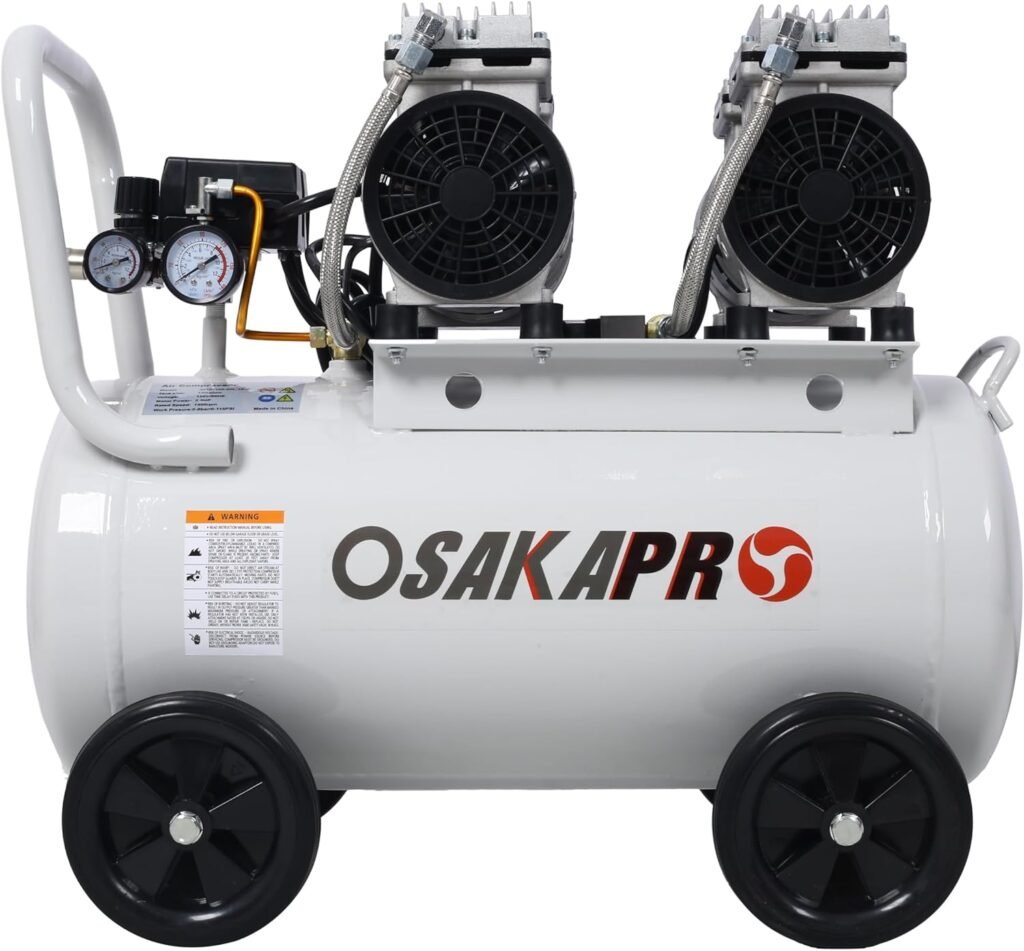

Our Overall Impression of the 13 Gallons Air Compressor, 2.5HP Oil-Free Portable Air Compressor Tank
We see this 13 Gallons Air Compressor as a smart balance between power, portability, and quiet operation. It is built with a 2.5HP motor, a 13-gallon capacity, and an oil-free design, all wrapped in a relatively lightweight frame with wheels and a low 70 dB noise level.
We feel this makes it a practical choice for home workshops, small businesses, and serious DIY users who need solid performance without heavy maintenance or constant noise.
Key Specifications at a Glance
We find it helpful to lay out the main specs so we can quickly compare them to other options we might be considering. This also helps us see if it truly fits our needs before we commit.
Here is a summary table:
| Feature | Specification / Description |
|---|---|
| Product Name | 13 Gallons Air Compressor, 2.5HP Oil-Free Portable Air Compressor Tank, Light Gray |
| Motor Power | 2.5 HP |
| Pump Type | Oil-free, four-stage pump |
| Maximum Pressure | 115 PSI |
| Operating Speed | 1400 RPM (low RPM) |
| Tank Capacity | 13 gallons |
| Tank Material | Dual rust-resistant aluminum tanks |
| Noise Level | 70 dB (ultra quiet category for compressors) |
| Recovery Time | From no load to full load in about 2 minutes |
| Portability | Lightweight design with 6-inch wheels |
| Drain Feature | Automatic drain valve |
| Typical Uses | Nail guns, impact wrenches, spray guns, general pneumatic tools |
| Color | Light gray |
We like that all the main functional features—quiet operation, power, capacity, and portability—are clearly aligned for everyday and semi-professional use.
Design and Build Quality
We notice right away that this compressor emphasizes a compact, practical design rather than a bulky shop-only footprint. It is made to fit in garages, small workshops, or job sites where space is valuable.
We also see the use of aluminum for the tanks as a strong plus. It keeps the body lighter and helps resist rust, which matters if we use it in humid climates or store it in a less-than-ideal spot.
Compact Form Factor and Layout
We appreciate how the compressor keeps most components tucked close to the tank while still leaving access to valves and gauges. This compact layout makes it easier to store against a wall, in a corner, or under a workbench.
We find this especially useful when we have limited floor space or need to share a garage between tools, vehicles, and storage.
Dual Rust-Resistant Aluminum Tanks
We really like the decision to use aluminum tanks instead of plain steel. Aluminum gives us:
- Less weight to move around
- Higher resistance to rust and corrosion
- Better long-term reliability when moisture inevitably builds up inside the tank
We see this as a big advantage for longevity, especially paired with the automatic drain valve that helps remove water buildup without constant manual effort.
Power and Performance
We consider the 2.5HP motor and 115 PSI maximum pressure to be a capable combination for most general workshop and home-use tasks. It is not a tiny hobby compressor, but also not an industrial monster that requires special circuits or ear protection.
We find this performance level suitable for a wide variety of pneumatic tools, so we can run multiple types of jobs without swapping equipment.
2.5HP Motor and Four-Stage Pump
We see the four-stage pump with a 2.5HP motor as a strong core. The pump running at a low RPM (1400) tends to mean:
- Less heat build-up
- Less wear on internal components
- Smoother and quieter operation
We like this combination because it aims for durability and consistent performance rather than pushing maximum speed at the cost of noise and premature wear.
115 PSI Maximum Pressure
With a max pressure of 115 PSI, we can comfortably run common tools such as:
- Finish and framing nailers
- Brad nailers and staple guns
- Air ratchets and some impact wrenches (especially 3/8″ or smaller)
- Spray guns (depending on specific CFM requirements)
- Blow guns for cleaning dust and debris
We see this pressure range as large enough for most serious DIY and light professional applications, as long as our air consumption (CFM) stays within the compressor’s capabilities.
Noise Level: 70 dB Ultra Quiet Operation
We consider the 70 dB rating one of the standout features. Typical shop compressors often run much louder, easily in the 80–90+ dB range, which can be uncomfortable and even harmful over time.
We like that 70 dB is roughly similar to normal conversation or a quiet office. It is still noticeable, but far less harsh and intrusive than many standard piston compressors.
Comfort in Residential and Commercial Settings
We see a big advantage for anyone working in shared spaces:
- Home garages in neighborhoods
- Small shops with office areas nearby
- Indoor renovation projects where others are present
We appreciate being able to run air tools without feeling like we are disturbing everyone around us. This quieter operation also makes it easier to communicate with teammates while the compressor is running.
Recovery Time and Work Efficiency
We see the two-minute recovery time from no load to full load as an important performance indicator. It tells us that when we use up the tank’s air, the compressor can rebuild pressure quickly.
We find this useful when we are doing intermittent tasks such as nailing or shorter bursts of air tool use, as the downtime between cycles is reduced.
Quick Recovery for Continuous Tasks
For more demanding jobs, such as:
- Extended use of impact wrenches
- Longer spray painting sessions
- Heavy-duty grinding or sanding tools
We still need to keep an eye on our tool’s air consumption versus the compressor’s recovery ability. But we appreciate that this unit aims to keep up with moderate continuous demand instead of falling behind immediately after a short burst of use.
Oil-Free Operation and Low Maintenance
We consider the oil-free pump one of the most user-friendly aspects of this compressor. Not needing to check oil levels or perform oil changes lowers maintenance time and hassle.
We especially like this design for:
- Casual users who do not want to perform frequent maintenance
- Professional users who want cleaner air for painting and precision work
- Situations where oil mist contamination would be a problem
Advantages of an Oil-Free Air Compressor
We see several benefits clearly:
- No oil changes to schedule
- Less risk of oil getting into airlines, tools, or paint finishes
- Easier startup and operation, especially for new users
We recognize that oil-lubricated units can sometimes offer slightly longer life or quieter operation in certain designs, but this model already brings quiet performance with an oil-free setup, which we appreciate.
Portability and Ease of Use
We like that this compressor is designed to be moved. The combination of a lightweight body, aluminum tanks, and 6-inch wheels makes it far more portable than many steel-tank units of similar size.
We find this essential if we need to move between garage bays, floors of a building, or job sites.
6-Inch Wheels and Maneuverability
We see the wheels as more than just a small bonus. With a 13-gallon capacity, the compressor is not tiny, and lifting it frequently would be tiring or difficult for one person.
We appreciate:
- The ability to tilt and roll the unit like a small cart
- Easier transport across concrete, workshop floors, or driveways
- The possibility to reposition it around vehicles, workbenches, or equipment without strain
Compact Footprint for Storage
We also like that the compact design can slip into corners or along walls when not in use. This simplifies storage in:
- Single-car garages
- Small basement workshops
- Shared storage spaces
We find that when tools store neatly, we are more likely to use them frequently and get more value out of them.
Automatic Drain Valve and Moisture Management
We see the automatic drain valve as a thoughtful feature. Compressors naturally accumulate moisture inside the tank as they cool compressed air, and that moisture can cause internal rust and degrade air quality if not drained.
We like that this compressor automates part of that routine, which helps protect the tank and maintain cleaner air without constant manual draining.
Why Draining the Tank Matters
We think it is worth emphasizing how draining affects:
- Tank lifespan: trapping moisture leads to corrosion over time
- Air tool health: water in lines can damage tools or cause inconsistent performance
- Paint and finish quality: water in air supply can ruin spray patterns and cause defects
We appreciate that the automatic drain valve helps address these issues with less effort from us. We may still want to check it periodically, but it reduces daily upkeep.

Air Delivery for Different Tools
We find that a compressor like this shines when paired with the right tools. While specific CFM numbers are not listed in the product details we have, the 2.5HP rating and 115 PSI capacity put it squarely in the mid-range, capable zone.
We can match it reasonably with a variety of air tools that do not demand extremely high CFM.
Suitable Applications and Tool Types
We see this compressor working especially well for:
-
Carpentry and woodworking
- Finish nailers
- Brad nailers
- Staplers
-
Automotive and mechanical tasks
- Air ratchets
- Smaller impact wrenches (3/8″ and some 1/2″ in intermittent use)
- Tire inflators and blow guns
-
Home improvement and crafts
- Light to moderate spray painting (doors, cabinets, furniture, small panels)
- Airbrushes with proper regulators
- Cleaning and dust removal
We would be more cautious about using very high-demand tools like large sanders or high-volume paint guns for long sessions, but for intermittent use, this compressor should be quite capable.
Upgraded Piping and Valves for Better Sealing
We appreciate the mention of upgraded piping and valves with enhanced sealing. Air leaks are one of the most frustrating issues in any compressed air setup, leading to wasted power and longer run times.
We see strong sealing as important for:
- Maintaining pressure more consistently
- Reducing how often the compressor cycles on and off
- Maximizing the usable capacity of the tank
Reduced Air Leaks, Better Efficiency
We like that the manufacturer is paying attention to these smaller details. Good fittings and valves often separate a compressor that feels “cheap” from one that feels reliable and professional.
We feel more confident when the system is described as having measures in place to prevent leaks and maintain stable operation.
User Experience: Day-to-Day Use
We imagine how this compressor would feel in our daily routine: rolling it out, switching it on, waiting for pressure, then using our tools as needed. The combination of quiet operation, automatic draining, and oil-free design promises a relatively smooth experience.
We see this as especially important for those of us who use air tools often but do not want a machine that demands constant fussing or specialized knowledge.
Startup and Operation
We expect the startup sequence to be straightforward:
- Roll the compressor into place.
- Plug it into a properly rated outlet.
- Switch it on and let it build pressure.
- Connect our air tools with the appropriate hose and fittings.
We value that there are no oil levels to check before each session, which removes one more barrier to getting started quickly on a project.
Who This Compressor Is Best For
We think this compressor is best suited for people who value a combination of portability, quiet performance, and solid power. It is not a tiny inflator-only unit, but it is also not a massive industrial machine that lives bolted to the floor.
We see several types of users who would benefit the most.
Ideal Users and Scenarios
We would especially recommend it for:
-
Home DIY enthusiasts
- Those working on carpentry, trim, and furniture builds
- Home renovators running nailers and sprayers periodically
-
Small business owners
- Detailers and small auto shops needing quiet operation
- Contractors who work in clients’ homes and need low noise
-
Hobbyists and makers
- Crafters and woodworkers with occasional spray gun use
- Tinkerers needing a reliable, mid-sized compressor with modest maintenance requirements
We think this model gives us a “serious tool” feeling without crossing into the complexity and noise of large shop-only systems.
Advantages of the 13 Gallons 2.5HP Oil-Free Portable Air Compressor
We see a number of clear advantages that may make this product stand out from similar options at this capacity and power level.
Main Strengths We Notice
-
Quiet Operation (70 dB)
We appreciate the ability to run the compressor without overwhelming noise, making it suitable for garage neighborhoods and smaller workspaces. -
Oil-Free Four-Stage Pump
We enjoy lower maintenance and cleaner air output, which is ideal for painting and finish work. -
Rust-Resistant Aluminum Tanks
We value reduced weight and increased resistance to corrosion, enhancing portability and longevity. -
Quick Recovery Time
We benefit from faster pressure recovery, reducing downtime during active projects. -
Portable Design with 6-Inch Wheels
We find movement between job sites or different areas of the workshop easier and less strenuous. -
Automatic Drain Valve
We appreciate built-in help managing moisture, which protects the tank and improves air quality.
We think these strengths combine to create a well-rounded, user-friendly compressor that fits a broad range of tasks.
Limitations and Considerations
We also want to be honest about potential limitations so we can choose with clear expectations. No compressor is perfect for every situation, and this one is no exception.
Things We Should Keep in Mind
-
Not an Industrial High-CFM Unit
We should not expect it to run very high-consumption tools (like large sanders or heavy body-shop sprayers) continuously without reaching its limits. -
Power Outlet Requirements
We need to ensure that our electrical circuit can handle a 2.5HP compressor, especially if we already have other heavy loads on the same line. -
Noise Is Quiet, Not Silent
At 70 dB, it is quiet for a compressor, but we will still hear it. It is not completely silent, so shared spaces may still notice it, though far less than with typical loud units.
We feel that as long as we match our expectations to its intended use, these are reasonable trade-offs given the performance level.
Comparison with Smaller and Larger Compressors
We like to think about where this compressor sits in the bigger picture of available options—both smaller and larger.
Compared to Smaller 6-Gallon or Pancake Compressors
We see several advantages over the smaller, more compact models:
- More capacity (13 gallons vs. 6 gallons or less)
- Better continuous operation for longer tool usage
- More robust motor (2.5HP vs. 1–1.5HP in many small units)
We feel this compressor offers a noticeable upgrade in performance and flexibility if we have already outgrown a small pancake compressor.
Compared to Larger Stationary Compressors
We also recognize some trade-offs compared to large stationary shop compressors:
- Less total capacity and (often) lower CFM output
- More portable design instead of fixed installation
- Quieter and often easier to live with in mixed-use spaces
We see this model as a “middle ground” that offers professional-like performance in a more manageable, portable, and quieter package.
Practical Use Cases We Can Imagine
We like to picture specific scenarios to understand how well this compressor fits real-world needs. Seeing it in context helps us decide if it suits our work style.
Scenario 1: Home Garage Renovation and Carpentry
We imagine us remodeling a room, installing trim, and hanging doors. With this compressor:
- We can run finish and brad nailers for trim and baseboards.
- We can occasionally run a small spray gun for doors or cabinets.
- We can keep noise at a level that will not upset neighbors or family quite as much as a standard loud compressor.
We see this use as one of the strongest fits.
Scenario 2: Automotive and Mechanical Work
We picture working on a car in the garage:
- Using an impact wrench intermittently for lug nuts or bolts.
- Running an air ratchet for lighter fasteners.
- Airing up tires and using a blow gun to remove dust from filters or parts.
We feel this compressor will handle that pattern of short bursts of higher demand followed by pauses fairly well.
Scenario 3: Small Workshop or Crafts Studio
We can also see it in a small woodworking or crafting studio:
- Running an airbrush or small spray gun for finishes.
- Powering nailers for small furniture or craft projects.
- Keeping the sound level low enough for a more pleasant working atmosphere.
We appreciate that its size and quietness make it compatible with creative environments where comfort matters.
Durability and Long-Term Value
We consider durability a key factor because an air compressor often becomes a central tool in our workspace. The rust-resistant aluminum tanks, upgraded valves, and low RPM pump all point toward an intentionally durable design.
We also see the oil-free system as reducing wear and tear associated with oil breakdown or lack of oil maintenance.
Components That Support Long Service Life
We particularly like:
- Aluminum tanks: less rust, more years of safe operation.
- Low RPM pump: reduced stress on internal moving parts.
- Upgraded piping/valves: fewer leaks, less unnecessary cycling, and less strain.
We view these details as signs that the manufacturer is aiming for an air compressor that provides value over multiple years of regular use.
Ease of Setup and Learning Curve
We think this compressor suits users of varying experience levels. The controls and features appear straightforward:
- Power switch
- Pressure gauges
- Regulators and standard quick-connect fittings
We do not see a steep learning curve for someone moving from a smaller compressor or even using one for the first time, as long as we are comfortable with basic safety practices.
Friendly for New and Experienced Users
We feel that:
- New users benefit from oil-free simplicity and automatic draining.
- Experienced users appreciate the quieter operation and aluminum tanks for longer-term use.
We see this as a compressor that can grow with us as our projects become more complex over time.
Safety Considerations
We always want to keep safety in mind with any pressurized device. This compressor appears to incorporate typical modern safety elements, but we should still follow standard best practices.
We want to emphasize a few habits that help us use it safely.
Good Safety Practices with This Compressor
- Ensure the unit is on a stable, level surface before running.
- Avoid using long or undersized extension cords that can cause voltage drops.
- Regularly check hoses, fittings, and tools for damage or leaks.
- Do not exceed the maximum pressure ratings of tools or attachments.
- Periodically inspect for unusual sounds or heat buildup that might signal a problem.
We find that a little attention to safety goes a long way in protecting both us and our tools.
Value for Money
We evaluate value based on what we get in terms of performance, features, and lifespan for the price we pay. With this unit, we see value in:
- Quiet performance for comfort and flexibility
- Solid 2.5HP power with a reasonably large 13-gallon capacity
- Lightweight, rust-resistant build with wheels
- Oil-free and automatic draining features reducing ongoing costs and time
We think if we are in the market for a mid-sized, portable compressor that we can realistically use frequently without frustration, this model offers a strong return on investment.
Final Thoughts: Is This Compressor Right for Us?
We see the “13 Gallons Air Compressor, 2.5HP Oil-Free Portable Air Compressor Tank, Lightweight with Wheels, 70 dB Ultra Quiet, with Automatic Drain Valve, Light Gray” as a well-thought-out option for those of us who want serious capability without the drawbacks of loud, heavy, maintenance-intensive shop compressors.
We would choose this model if we:
- Want a quiet environment while still using nailers, impact tools, and spray guns.
- Need a portable compressor with enough capacity for real projects.
- Prefer oil-free convenience and appreciate features like automatic draining and rust-resistant tanks.
If our work demands extremely high CFM or continuous heavy-duty industrial use, we might consider a larger, specialized unit. But for home workshops, small garages, craft studios, and light commercial applications, we see this compressor as a friendly, reliable partner that fits comfortably into our daily workflow.

Disclosure: As an Amazon Associate, I earn from qualifying purchases.