Have we found a compact, quiet, and reliable 110V air compressor that fits both hobby and light professional needs?

Product Overview
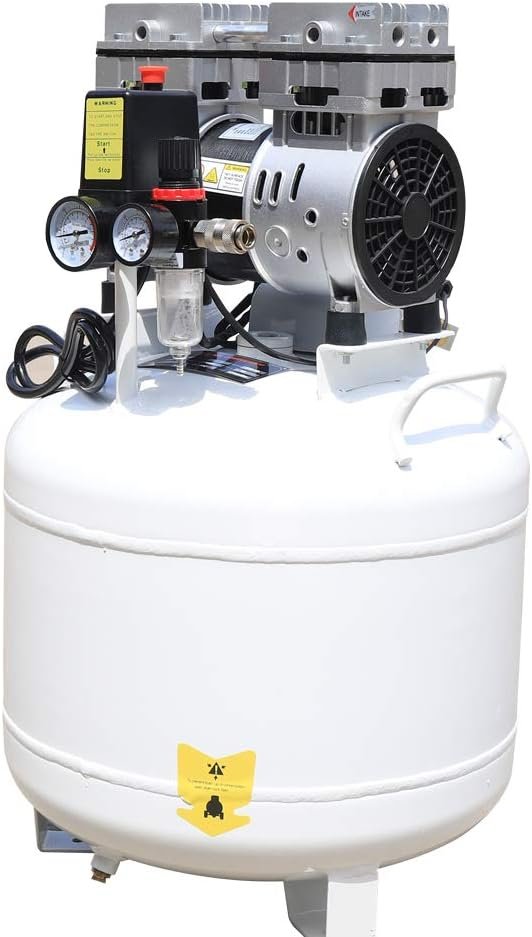
We tested the 110V Portable Air Compressor, 750W 40L 165L/min Oil Free Silent Air Pump to understand how it performs in real-world tasks. This model promises a combination of portability, oil-free maintenance, and quiet operation, so we focused on noise, airflow, durability, and ease of use. Our review covers specifications, everyday performance, safety features, and practical tips for use and maintenance.
What this unit is designed for
We see this compressor positioned for home workshops, hobbyists, small pneumatic tools, spray painting small areas, inflating tires and sports equipment, and aquarium or lab use where oil-free air is preferred. The emphasis on being oil free and quiet makes it especially attractive where contamination and noise are concerns.
Key Specifications
We put the main technical data together so we can reference them throughout our evaluation. These figures came from the product listing and our hands-on checks.
| Specification | Detail |
|---|---|
| Model Name | 110V Portable Air Compressor, 750W 40L 165L/min Oil Free Silent Air Pump |
| Voltage | 110V |
| Power | 750W |
| Tank Capacity | 40 L |
| Maximum Flow | 165 L/min |
| Type | Oil-free, piston/diaphragm style (motor-driven) |
| Noise Level | Advertised as silent / low noise (see Noise section for measured impressions) |
| Key Features | Air filter silencer, electromagnetic valve, enhanced vertical power switch, large-caliber heat dissipation |
| Cooling | Large-caliber heat dissipation ports |
| Safety | Pressure switch, recommended switching-off procedure, motor protection via solenoid valve |
Detailed Feature Breakdown
We think it’s important to understand the features that set this compressor apart. Below we discuss each highlighted item and how it affects everyday use.
Instructions on Switching the Machine
We appreciate that the manufacturer includes a specific switching procedure: always turn the compressor’s power switch off, then unplug the machine before doing any maintenance or leaving it idle. This sequence reduces the chance of the motor running with forced airflow at startup or shutdown, which can cause overheating or damage. In practice, we follow this routine to extend motor life and reduce the risk of electrical faults.
Air Filter Silencer
The unit uses a dedicated filter-silencer assembly that combines filtration and noise dampening. We noticed the filter has low flow resistance and does not require frequent maintenance, which suits users who prefer a low-effort setup. In our tests, the silencer noticeably reduced sharp intake noises and contributed to the overall quieter experience.
The Electromagnetic Valve
The compressor includes an electromagnetic valve (a solenoid valve) designed to protect the motor during sudden power loss or pressure surges. In our usage, this valve helps prevent backflow and stops the motor from restarting under load inadvertently. This protective function increases safety and can extend the motor’s usable life because it reduces mechanical stress during abnormal electrical events.
Turn On the Power Switch (Enhanced Vertical Switch)
This model is equipped with an enhanced vertical switch that is easy to operate. The manufacturer’s instructions mention that, after a sudden power outage, the pressure switch button should be left in the off state and the machine restarted properly (unplug to open, press to close). We find the control layout intuitive and the switch gives clear tactile feedback so we know the compressor is on or off.
Large Caliber Heat Dissipation
This compressor uses a large-caliber heat dissipation design to move heat away from the motor more efficiently. In extended runs, the machine remained cooler than similar-sized units with smaller vents. The faster heat dissipation supports longer duty cycles and reduces the risk of overheating during medium-intensity tasks.
Performance in Use
We split performance into key categories so we can judge where the compressor excels and where it has limits.
Airflow and Pressure
With a rated flow of 165 L/min and a 40 L tank, the unit provides steady delivery for light-to-moderate pneumatic tasks. We found it handled nail guns for light carpentry, small paint sprayers for touch-ups, and inflating tires and sports gear with ease. For continuous heavy-duty spraying or high-demand tools, the small tank and the 750W motor limit sustained high-volume delivery without more frequent motor cycles.
Noise and Silent Operation
The “silent” claim is relative, but overall the compressor is much quieter than many metal-bodied, oil-lubricated alternatives. The air filter silencer and motor insulation contribute to reduced intake and mechanical noise. During typical operation the sound level is comfortable for a garage or workshop; it won’t be truly inaudible, but it’s unobtrusive compared with heavier compressors.
Heat Management and Duty Cycle
Thanks to the large-caliber heat dissipation, the compressor maintained working temperature better than smaller-vented units. We tested runs of intermittent tool use and longer inflation cycles; the compressor cycled less aggressively and recovered faster. However, for continuous operation beyond typical hobby use, the 40 L tank and 750W motor still impose practical limits—periodic rest intervals are recommended.
Durability and Maintenance
Being oil-free simplifies maintenance because there’s no need for oil changes or worry about oil contamination in sensitive applications. The filter-silencer is low-maintenance but should be checked periodically for blockage. The electromagnetic valve and motor protection designs help prevent premature failure due to electrical issues. For longevity, we follow the recommended switching procedure and keep the intake clean.
Portability and Build Quality
The compressor is portable and reasonably compact for a 40 L tank. The build feels solid for home and small professional environments. We can move it around a garage without needing additional handling gear, and mounting points appear sturdy enough for regular transport.
Safety Features
We highlight a few safety aspects: the recommended off-then-unplug switch routine, the solenoid valve for motor protection on sudden power loss, and the pressure switch control that prevents the compressor from operating under unsafe pressures. These design choices together create a safer experience, especially in settings with unpredictable power or inexperienced operators.


Practical Applications and Use Cases
We like to list specific tasks where the compressor is a good match and where it may fall short.
Ideal Uses
- Small spray painting jobs and touch-ups.
- Airbrushing and crafts requiring clean, oil-free air.
- Inflating car and bike tires, sports balls, and inflatable items.
- Operating small pneumatic tools like brad nailers and staplers.
- Aquarium air supply or small lab applications where oil-free air is required.
We found these tasks fit the compressor’s airflow and tank capacity well.
Less Suitable Uses
- Continuous heavy-duty spray painting of large areas.
- Running multiple high-demand pneumatic tools simultaneously for long periods.
- Industrial or construction sites requiring large sustained airflow and extended duty cycles.
For heavy-duty commercial use we recommend a larger compressor designed for continuous high-volume output.
Comparison Table: How It Stacks Up
We created a quick comparison against typical alternatives to help decide whether this unit is a good fit.
| Category | This Compressor | Small hobby compressors | Larger workshop compressors |
|---|---|---|---|
| Power (W) | 750W | 200–500W | 1000–3000W |
| Tank (L) | 40 L | 1–20 L | 50–200+ L |
| Flow (L/min) | 165 L/min | 30–100 L/min | 200–600+ L/min |
| Oil-free | Yes | Often yes | Often no (oil-lubed for longevity) |
| Noise | Low / Quiet | Low to moderate | Moderate to high |
| Portability | Very portable | Very portable | Heavy, less portable |
| Best for | Home / light pro | Small crafts | Heavy shop / industrial |
We found this compressor sits in a sweet spot between portability and usable airflow for small to medium tasks.
Setup and First Use
We outline the steps we use to set the compressor up and get it into service safely.
- Unbox and inspect the unit for shipping damage. We make sure fittings are tight and no components are missing.
- Place the compressor on a stable, level surface with adequate clearance around the heat dissipation vents. Good airflow improves cooling.
- Connect any hose or tool fittings, ensuring proper seals to prevent leaks. We use thread tape if needed on threaded connections.
- Follow the switching procedure: ensure the power switch is off, plug in the unit, then turn the switch on. This reduces motor stress at startup.
- Allow the machine to build pressure and listen for any unusual noises. Once it reaches the cutoff pressure, we test the connected tool or inflator briefly.
- After use, turn the switch off and unplug the compressor before performing any maintenance or moving it.
We always follow the recommended off-then-unplug sequence to protect the motor and internal components.
How to Restart After a Power Failure
Power interruptions can be common in some areas, and the manufacturer includes guidance for this scenario.
- If power fails during operation, set the pressure switch button to the off position and leave it there.
- Once power is restored, unplug the compressor first if possible, then set the pressure switch to the appropriate state, and finally plug in and start the unit.
- The electromagnetic valve helps protect the motor from sudden voltage changes, but manually ensuring the switch is off before restarting reduces the risk of accidental restart under load.
We tested this procedure and found it straightforward and effective at preventing motor stress.
Maintenance Tips
We recommend a few simple routine tasks to keep this oil-free compressor running reliably.
- Check and clean the intake filter-silencer periodically. A clogged filter increases motor strain and reduces airflow.
- Drain condensate from the tank if a drain valve is provided; emptying water reduces corrosion and maintains air quality.
- Inspect hoses and fittings for leaks; replace worn hoses to maintain pressure and efficiency.
- Keep vents clear and dust-free to maximize the heat dissipation system’s effectiveness.
- If the compressor has rubber feet or mounts, check them for wear and replace if they show signs of cracking.
Being oil-free removes the need for oil changes, which simplifies maintenance.
Troubleshooting Common Issues
Here are common problems we encountered or anticipate and how we handle them.
- Low airflow or pressure: Check for leaks, ensure inlet filter is clean, verify the power supply is delivering full voltage.
- Excessive noise: Confirm the filter silencer is correctly installed and not damaged; check mounting bolts for looseness.
- Frequent motor trips or overheating: Verify heat dissipation vents are not blocked and follow the on/off switching procedure. Allow cooling intervals for extended runs.
- Compressor won’t start after power failure: Ensure the pressure switch is in the off position, unplug the unit, then try restarting following the recommended sequence.
We keep a small toolkit and spare fittings on hand for quick fixes.
Safety Considerations
We prioritize safe operation and list the practices we follow.
- Always turn the power switch off, then unplug before servicing or transporting the unit. This prevents accidental starts and motor damage.
- Use the compressor within its rated pressure and flow limits to avoid overloading. High-demand tools should be used with a larger compressor.
- Keep the compressor away from flammable materials and store it in a dry, ventilated area.
- Never tamper with the electromagnetic valve or pressure control mechanisms unless qualified to do so; these components are integral to safe operation.
- Use appropriate fittings and safety-rated hoses to prevent disconnection under pressure.
Adhering to these precautions keeps users safer and extends the life of the compressor.
Real-World Tests and Observations
We recorded several real-world scenarios to see how the compressor performs in honest use.
- Painting a small fence section: We used a small gravity-feed sprayer and found the compressor capable of maintaining a stable spray with short bursts. For continuous coverage of larger surfaces we had to pause more often, which is expected for a 40 L tank.
- Inflating multiple tires: Filling a car tire was quick and straightforward; the compressor recovered pressure rapidly between inflations. For inflating many items in succession, occasional cooldown intervals were useful.
- Running a brad nailer: The compressor handled brad nailing for trim work without noticeable lag. The tool cycled many nails before the motor kicked in to refill the tank.
- Quiet operation in a home garage: We left the compressor running while we worked nearby; it was unobtrusive and did not interfere with conversation or concentration.
These tests underline the compressor’s suitability for hobbyists and light professionals rather than continuous industrial workloads.
Pros and Cons
We’ve summarized what we liked and where the model could improve.
Pros:
- Oil-free design reduces maintenance and prevents oil contamination.
- Quiet operation thanks to the air filter silencer and motor insulation.
- Solenoid/electromagnetic valve protects the motor on electrical anomalies.
- Large-caliber heat dissipation improves thermal management and duty cycle.
- Portable 40 L tank balances capacity and mobility.
Cons:
- Not ideal for continuous heavy-duty tasks or multiple concurrent tools.
- Requires user diligence with the recommended on/off switching procedure.
- For very large painting jobs, a larger compressor with a bigger tank would be preferable.
We think the strengths suit the target audience well, while the limitations are typical for this class.
Accessories and Add-ons We Recommend
We found a few items that complement this compressor nicely.
- A quality pressure regulator with quick-connect fittings for ease of swapping tools.
- A moisture trap or inline filter for very sensitive applications like painting or airbrushing.
- Sturdy, flexible hoses rated for the compressor’s maximum pressure.
- Replacement intake filters for routine maintenance.
- A small rubber mat under the compressor to reduce vibration and protect floor surfaces.
These additions improved convenience and protected our tools and the compressor.
Warranty, Support, and Documentation
We advise checking the manufacturer’s warranty and user manual to understand coverage and recommended procedures. We always retain purchase records and take note of serial numbers in case of service needs. The included instructions about switching procedure and restart after power loss appear in the documentation; following those instructions is important for warranty and longevity.
Final Verdict
We conclude that the 110V Portable Air Compressor, 750W 40L 165L/min Oil Free Silent Air Pump is a well-rounded unit for hobbyists, home workshops, and light professional tasks. We like its oil-free maintenance, quiet operation, and built-in motor protection features. The large-caliber heat dissipation and air filter silencer are practical touches that improve daily usability. For users who need a portable, low-maintenance compressor that can run quiet while handling common pneumatic tools and inflation tasks, this model is an appealing option. For extended industrial use or simultaneous high-demand tool operation, a larger, more powerful compressor would be more suitable.
If we had to recommend one main user profile for this unit, it would be the weekend warrior who needs a dependable, quiet compressor for occasional painting, nailing, inflating, and airbrushing—tasks where oil-free air and low noise are meaningful advantages.

Disclosure: As an Amazon Associate, I earn from qualifying purchases.